
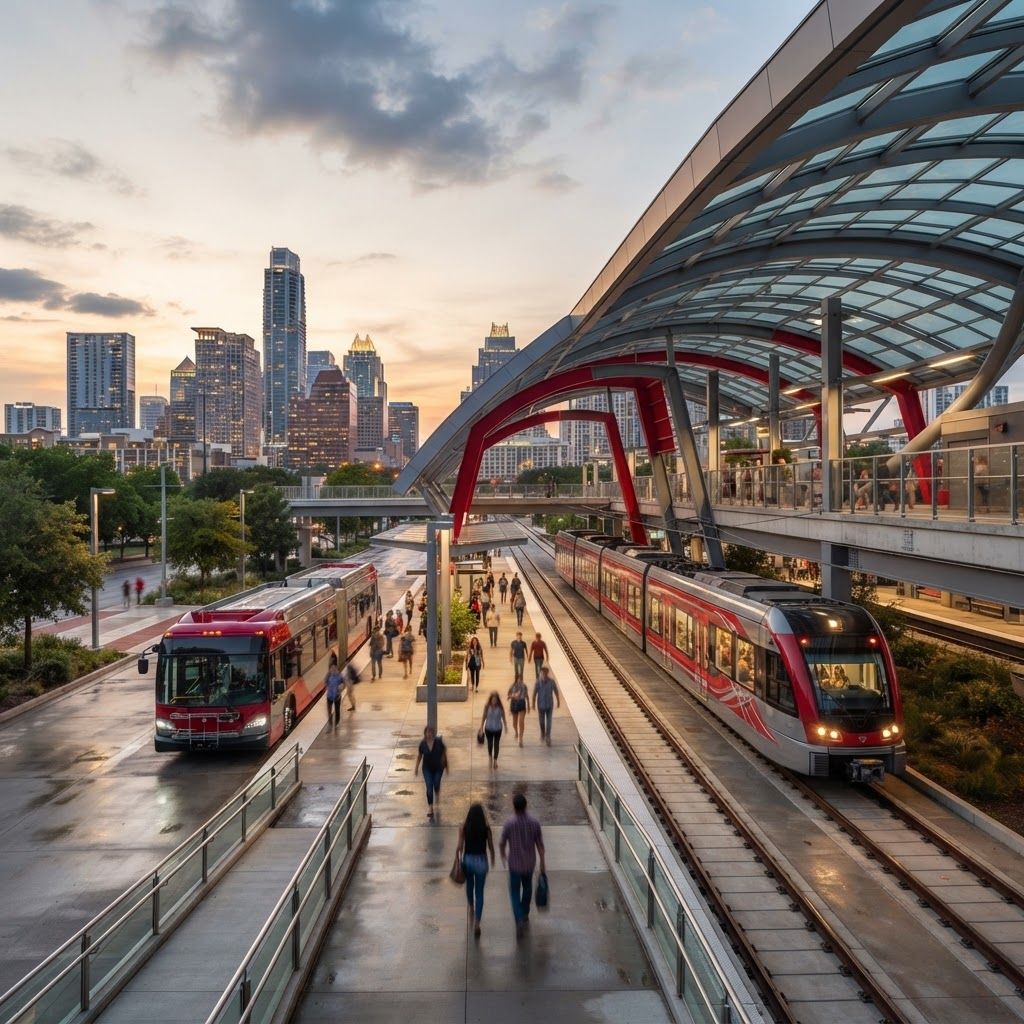
The Importance of Public Transit in Austin
As Austin's population continues to surge, public transit has become increasingly vital to keeping the city moving. With traffic congestion mounting along major corridors, efficient and accessible transit options help residents commute, reduce reliance on personal vehicles, and support environmental goals. Public transit connects neighborhoods, employment centers, universities, and entertainment districts, forming the backbone of urban mobility.
Beyond convenience, public transit promotes equity by providing affordable transportation for residents of all income levels. It also supports the city's sustainability objectives by reducing emissions and easing the strain on roads and parking infrastructure. In a rapidly growing metro area, robust transit services are essential to maintaining livability.
What Makes Transit Services Effective
Effective public transit combines reliability, coverage, and accessibility. Riders depend on consistent schedules, frequent service, and routes that connect key destinations. Clean, safe, and comfortable vehicles enhance the experience, encouraging more people to choose transit over driving.
Integration is another hallmark of strong transit systems. Seamless connections between buses, rail, and other mobility options make journeys smoother and more convenient. Real-time information and easy fare payment further improve the rider experience, making transit an attractive choice.
Key Transit Providers in Austin
Capital Metropolitan Transportation Authority, known as CapMetro, is the primary public transit provider for the Austin area. It operates an extensive network of bus routes serving neighborhoods across the city, along with the MetroRail commuter line connecting downtown to northern suburbs. CapMetro also offers MetroRapid bus service, providing faster, high-frequency routes along major corridors.
Complementing fixed-route service, CapMetro provides MetroAccess paratransit for riders with disabilities and Pickup, an on-demand rideshare service operating in select zones. These flexible options extend transit access to areas and populations that traditional routes may not fully serve. Together, they create a multi-layered system designed to meet diverse mobility needs.
Innovation in Urban Mobility
Austin's transit landscape is embracing innovation to meet evolving demands. On-demand transit services use technology to provide flexible, app-based rides within designated areas, bridging gaps in fixed-route coverage. Real-time tracking and mobile ticketing make trip planning and payment more convenient than ever.
The city is also exploring expanded transit investments to support long-term growth, including enhanced rapid transit corridors and improved connectivity. These forward-looking initiatives aim to create a more comprehensive and efficient transit network capable of serving a much larger population.
Transit and Sustainability
Public transit is a cornerstone of sustainable urban living. By moving many passengers efficiently, transit reduces per-capita emissions and helps combat traffic congestion. Austin's transit provider has invested in cleaner vehicles and continues to explore electric and low-emission options to further reduce environmental impact.
Encouraging transit ridership aligns with the city's climate goals and its vision for a greener, more connected future. As more residents embrace transit, the collective benefits for air quality, congestion, and community well-being multiply.
Making the Most of Austin Transit
For residents and visitors, understanding available transit options can greatly enhance mobility. Choosing the right combination of bus, rail, and on-demand services depends on destination, timing, and personal preferences. Trip-planning tools and real-time information help riders navigate the system efficiently.
Austin's public transit services reflect the city's commitment to accessible, sustainable, and forward-thinking mobility. As the region grows, these services will continue to evolve, playing an indispensable role in connecting people to opportunities and keeping the capital city moving.
Practical Questions to Ask Before Booking
Before making a commitment, ask each provider for a detailed explanation of what the quoted price includes, how schedule changes are handled, and what support is available if something goes wrong. Confirm the service area, operating hours, cancellation terms, insurance coverage, accessibility provisions, and any limits that could affect your plans. A low headline price may not represent the best overall value if essential features carry additional fees. Conversely, a premium rate can be worthwhile when it includes better equipment, experienced personnel, dependable communication, and a clear contingency plan.
It is also useful to compare recent customer feedback while keeping context in mind. Look for recurring themes rather than relying on a single review. Consistent praise for punctuality, careful handling, cleanliness, and problem resolution is a strong signal, while repeated complaints about unexplained charges or poor communication deserve attention. For business use, request references from clients with similar requirements and ask how the provider measures on-time performance. Planning early is especially important during major Austin events, university move-in periods, festival weekends, and peak summer travel, when availability can tighten quickly.
A Smarter Way to Compare Austin Providers
Create a short list based on the type of service you actually need, then request comparable written estimates from at least three providers. Give each company the same information so that pricing and service levels can be evaluated fairly. Consider total value rather than cost alone: reliability, safety practices, local knowledge, equipment quality, and responsive support can prevent delays and unnecessary stress. The strongest choice is typically the company whose capabilities fit your specific route, timing, volume, and service expectations.
Austin's rapid expansion continues to create new transportation challenges and opportunities. Established providers are improving digital tools, investing in efficient equipment, and adapting services to the city's changing geography. Customers who research carefully, communicate their requirements clearly, and book with a proven operator are best positioned for a smooth experience. As competition and technology advance, local users can expect greater visibility, more flexible options, and increasingly personalized service across the region.
