
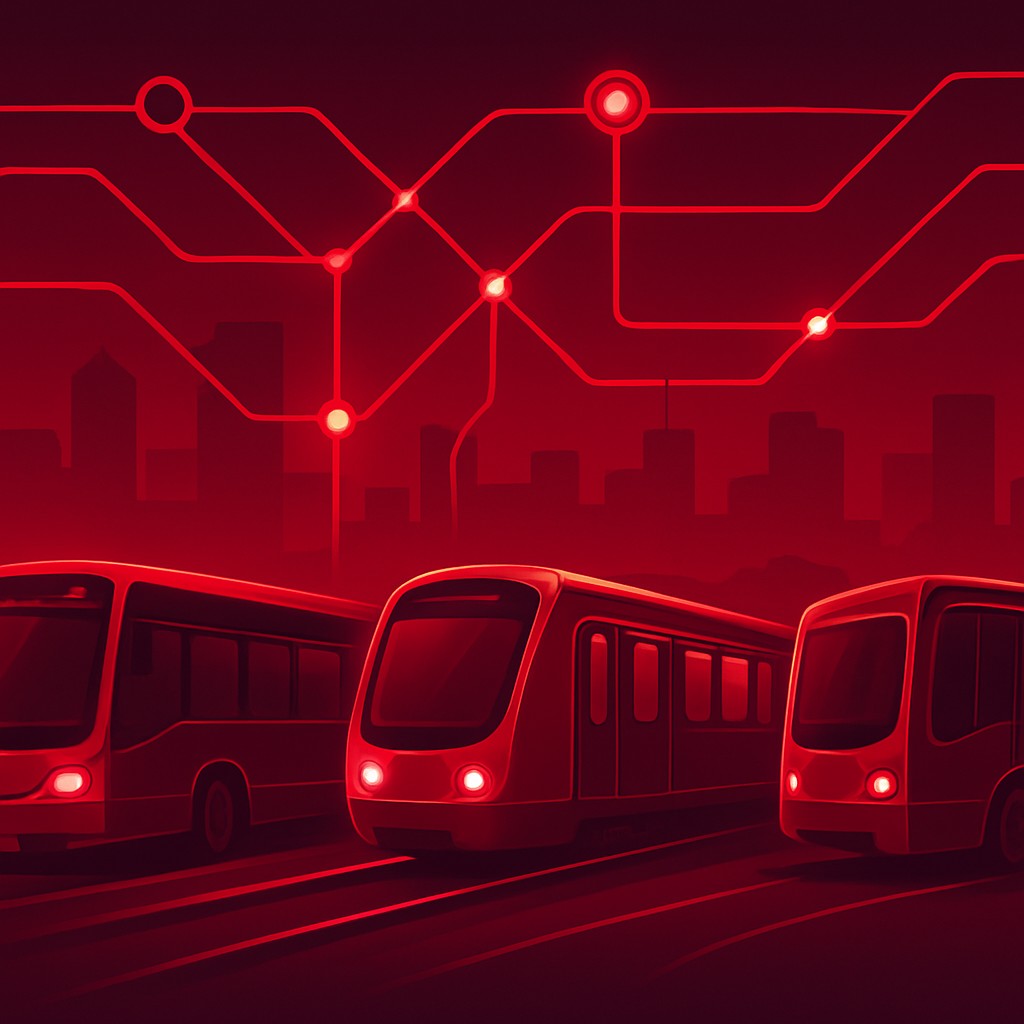
The Backbone of Argentine Mobility
Public transit is woven into the daily fabric of life in Argentina. Millions of residents rely on buses, trains, and subways to commute to work, attend school, and connect with family across the country's sprawling urban centers. In a nation where car ownership is not universal, efficient and affordable public transport is essential to economic activity and social inclusion.
Buenos Aires, the bustling capital, anchors the country's transit ecosystem with an interconnected web of services that move people across one of the largest metropolitan areas in the Southern Hemisphere. Beyond the capital, cities like Cordoba, Rosario, and Mendoza maintain robust networks that serve their growing populations.
The Subway and Urban Rail Systems
The Subte, Buenos Aires's subway system, holds the distinction of being the first underground railway in Latin America and the Spanish-speaking world. Operated under the SBASE framework, it remains a fast and reliable way to navigate the dense city center, carrying enormous passenger volumes daily. Its historic lines blend heritage charm with ongoing modernization efforts.
Complementing the subway, the metropolitan rail network operated by companies such as Trenes Argentinos connects the city with its extensive suburbs. Lines like the Sarmiento, Mitre, and Roca carry commuters from outlying neighborhoods into the heart of the capital, forming a vital link for the millions who live beyond the city limits.
Bus Networks That Reach Everywhere
Buses, known locally as colectivos, are perhaps the most iconic element of Argentine public transit. The dense network of colectivo lines reaches virtually every neighborhood, operating around the clock and offering unmatched flexibility. Numerous private operators run these routes under regulated concessions, creating a system that is both comprehensive and remarkably affordable.
For longer journeys, long-distance bus companies such as Chevallier, Andesmar, Via Bariloche, and Flecha Bus provide comfortable intercity travel across the country's vast distances. These services range from standard seating to luxurious cama suite options, making overnight travel between distant cities a comfortable experience.
The SUBE Card and Integrated Payment
A defining feature of modern Argentine transit is the SUBE card, a unified contactless payment system that works across buses, trains, and subways in many cities. This integration has simplified travel, eliminated the need for cash fares, and enabled fare discounts for frequent users, students, and retirees. The system represents a significant step toward a seamless, technology-driven transit experience.
Mobile applications now allow riders to check balances, plan routes, and track arrival times in real time, reflecting the sector's gradual embrace of digital innovation to improve the passenger experience.
Challenges and Future Developments
Despite its strengths, Argentine public transit faces ongoing challenges, including the need for infrastructure investment, fleet modernization, and service reliability improvements. Authorities and operators continue to work on expanding electric bus fleets, upgrading rail lines, and enhancing accessibility for passengers with disabilities.
Sustainability initiatives are gaining momentum, with cities exploring cleaner technologies and more efficient routing to reduce congestion and emissions. These efforts aim to ensure that public transit remains a viable, attractive option for future generations.
Conclusion
Argentina's public transit services form an impressive and essential network that keeps the country moving. From the historic Subte to the ubiquitous colectivos and comfortable long-distance coaches, these systems offer affordable mobility to millions. As modernization and sustainability efforts advance, Argentine transit is poised to become even more efficient and accessible in the years ahead.
