
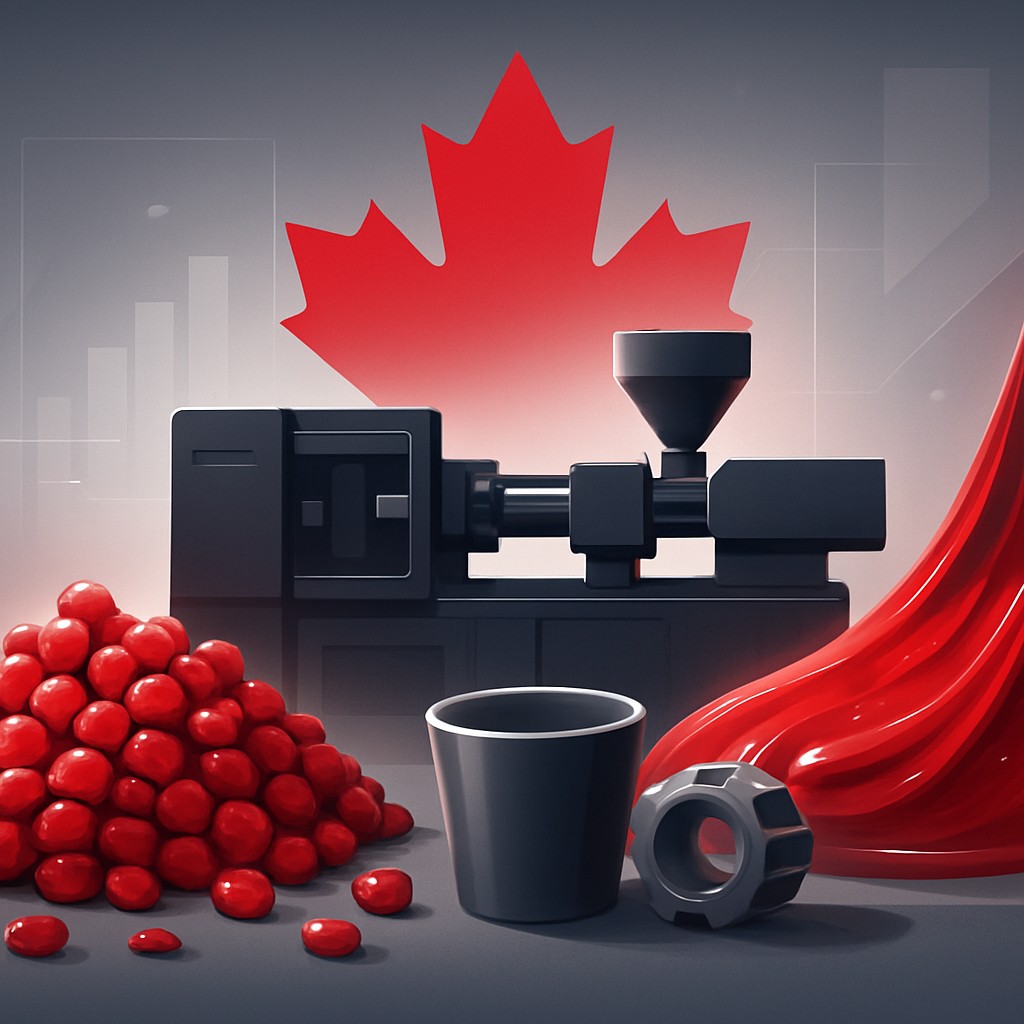
Inside Canada's Plastic Manufacturing Sector
The plastic manufacturing industry is a cornerstone of Canada's broader manufacturing economy, supplying essential materials and components to packaging, automotive, healthcare, construction, agriculture, and consumer goods markets. Canadian plastic producers are known for technical expertise, consistent quality, and an increasing focus on recyclability and circular-economy principles. The sector spans injection molding, extrusion, blow molding, thermoforming, and advanced compounding operations.
As global supply chains continue to shift, many businesses are turning to Canadian manufacturers for reliable, regionally produced plastic products. This demand has spurred investment in automation, precision tooling, and sustainable material development across the country.
The Importance of Plastics in Modern Industry
Plastics remain indispensable due to their versatility, durability, and cost efficiency. They protect food and medical supplies, lighten vehicles to improve fuel economy, insulate buildings, and enable countless everyday products. Canadian manufacturers play a vital role in producing both commodity plastics and high-performance engineered polymers that meet demanding specifications.
Increasingly, the conversation around plastics centres on responsible use. Leading Canadian producers are responding by incorporating recycled content, designing for recyclability, and developing bio-based alternatives that reduce reliance on virgin fossil materials.
Notable Plastic Manufacturers in Canada
Canada is home to several respected plastic manufacturers serving diverse markets. IPL Plastics is recognized for sustainable packaging and material handling solutions, including products made with recycled resins. CCL Industries, through its specialty packaging and label operations, is a global leader with significant Canadian roots. Husky Technologies is renowned worldwide for its injection molding systems and hot runners used in plastics production.
Cascades contributes innovative packaging solutions with a strong sustainability mandate, while Winpak specializes in advanced packaging materials for perishable foods and healthcare products. Polytarp Products manufactures durable polyethylene films and tarpaulins, and Plastic Industries serves industrial markets with custom molded components.
Other important players include Exo-s, known for plastic components in the transportation sector; ALPLA Canada, a producer of plastic packaging and bottles; and Nova Chemicals, a major supplier of polyethylene resins that form the foundation for many downstream products. Together, these companies illustrate the breadth and depth of Canada's plastics expertise.
Sustainability and the Circular Economy
Sustainability has become a defining priority for Canadian plastic manufacturers. Companies are investing in recycling infrastructure, increasing the use of post-consumer recycled content, and designing products that can be more easily reclaimed at end of life. Lightweighting, which reduces the amount of material in each product, lowers both costs and environmental impact. Many manufacturers are also exploring bio-based and compostable materials to meet evolving regulations and consumer expectations.
These initiatives align with national and provincial efforts to reduce plastic waste and promote a circular economy, positioning Canadian producers as responsible partners for environmentally conscious clients.
Technology and Innovation
Advanced manufacturing technologies are transforming the industry. Automation and robotics improve precision and throughput, while data analytics and smart sensors enhance quality control and reduce downtime. Sophisticated tooling and material science enable the production of complex, high-performance components for sectors such as medical devices and aerospace. This commitment to innovation helps Canadian manufacturers remain competitive in a global marketplace.
Trends Influencing the Industry
Several trends are shaping the future of plastics manufacturing in Canada. Demand for sustainable packaging continues to rise, driven by both regulation and consumer preference. Reshoring of supply chains has increased interest in domestic production. Meanwhile, the growth of e-commerce has expanded the need for protective, lightweight packaging. Healthcare and food safety requirements also continue to drive demand for high-quality, reliable plastic products.
How to Select a Plastic Manufacturer
Choosing the right partner requires evaluating technical capabilities, quality certifications, capacity, and sustainability practices. Buyers should consider a manufacturer's experience in their specific industry, ability to meet regulatory standards, and commitment to consistent delivery. Strong engineering support and customization options are valuable for projects with specialized requirements.
Conclusion
Canada's plastic manufacturers blend technical excellence with a forward-looking approach to sustainability. By embracing recycled materials, advanced technology, and responsible design, these companies are meeting the needs of modern industry while addressing environmental concerns. For businesses seeking dependable, high-quality plastic products, Canada's leading manufacturers offer a strong combination of innovation, reliability, and responsibility.
