
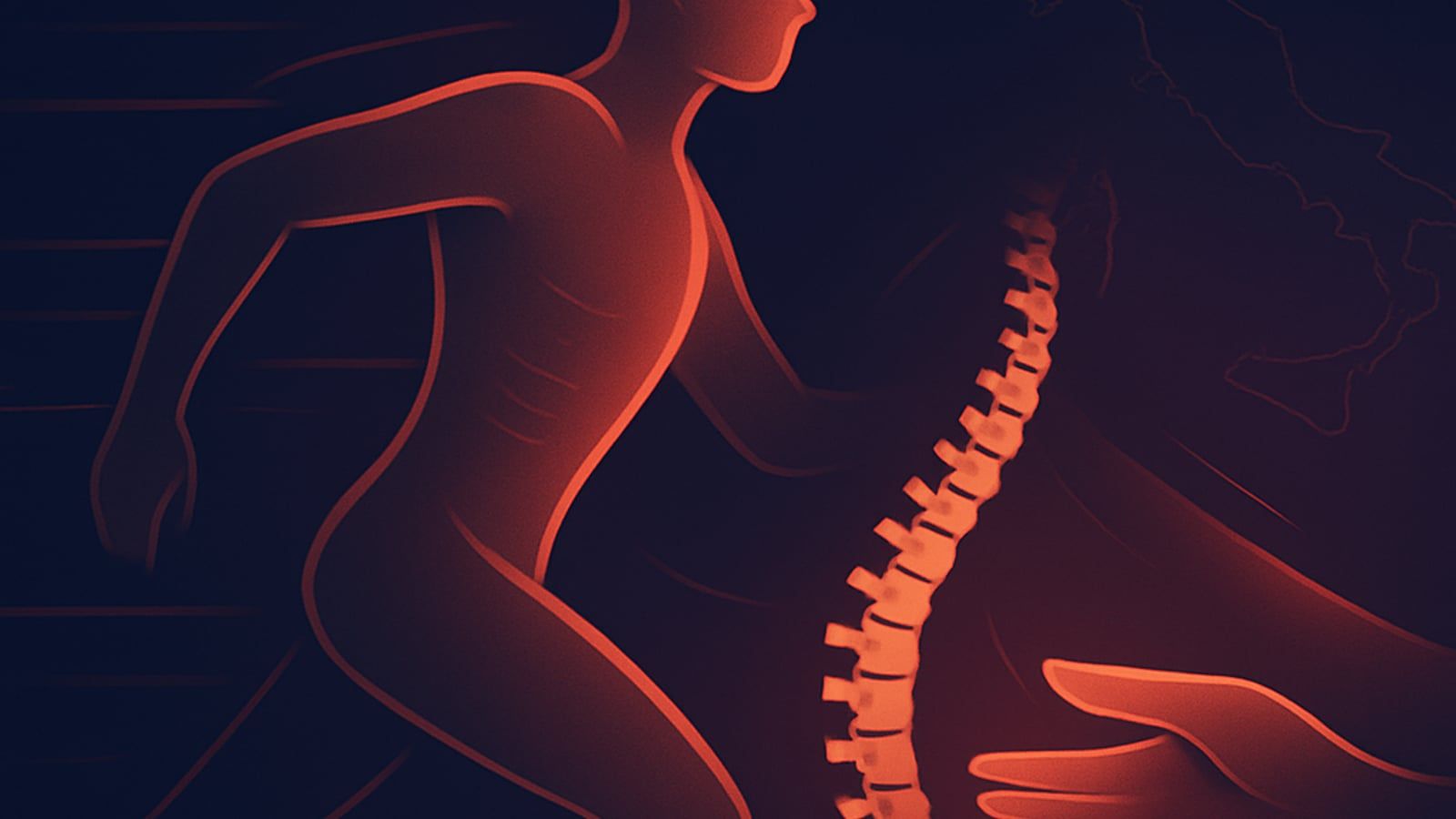
The Growing Importance of Physiotherapy in Korea
Physiotherapy and rehabilitation play an increasingly vital role in South Korea's healthcare system, supporting recovery from injuries, surgeries, and chronic conditions while promoting long-term mobility and wellbeing. As the population ages and awareness of preventive and restorative care grows, demand for high-quality physiotherapy has risen sharply. Korea's rehabilitation centers combine skilled therapists, modern equipment, and evidence-based techniques to deliver effective, personalized treatment.
The field encompasses a wide range of services, from sports injury rehabilitation and post-surgical recovery to neurological rehabilitation, pain management, and musculoskeletal care. Many leading centers operate within major hospitals, while specialized clinics focus on areas such as sports medicine, spine health, and orthopedic recovery.
Leading Physiotherapy and Rehabilitation Centers
Among hospital-based programs, the rehabilitation departments at Severance Rehabilitation Hospital, part of Yonsei University Health System, are highly respected for comprehensive neurological and musculoskeletal rehabilitation. Asan Medical Center Rehabilitation offers advanced recovery programs supported by leading specialists and modern facilities. The Seoul National University Hospital Rehabilitation Medicine department is recognized for its expertise in complex cases and research-driven care.
National Rehabilitation Center, a flagship public institution, specializes in comprehensive rehabilitation for serious injuries and disabilities, setting national standards for restorative care. Bobath Memorial Hospital is well known for neurological rehabilitation, particularly for stroke and brain injury recovery, using internationally recognized therapeutic approaches.
In the specialized and sports-focused segment, Nanoom Sports Medicine Clinic is respected for treating athletes and active individuals with targeted rehabilitation programs. Barun Sesang Hospital focuses on spine and joint rehabilitation, combining physiotherapy with orthopedic care. Wiltse Memorial Hospital is recognized for spine rehabilitation and pain management.
Rounding out the list, Himchan Hospital offers strong orthopedic and joint rehabilitation services across multiple locations, while Cham Teun Hospital is valued for its integrated approach to musculoskeletal rehabilitation and recovery, serving patients with a focus on restoring function and quality of life.
What Sets Korean Physiotherapy Apart
Korean physiotherapy centers are distinguished by their integration of advanced technology and evidence-based methods. Modern equipment, including robotic-assisted rehabilitation devices, therapeutic ultrasound, electrotherapy, and gait-training systems, enhances recovery and supports precise, measurable progress. Therapists are well trained and often specialize in particular areas, ensuring expert care tailored to each patient's condition.
Personalized treatment planning is a hallmark of the Korean approach. Centers typically conduct thorough assessments and design individualized programs that address specific goals, whether returning an athlete to competition, helping a patient recover after surgery, or improving mobility for those with chronic or neurological conditions. The emphasis on measurable outcomes and continuous reassessment ensures effective, goal-oriented care.
Key Areas of Specialization
Sports rehabilitation is a prominent specialty, with clinics like Nanoom Sports Medicine helping athletes recover from injuries and optimize performance. Neurological rehabilitation, including stroke and brain injury recovery, is a major focus at centers such as Bobath Memorial Hospital and the National Rehabilitation Center. Orthopedic and post-surgical rehabilitation, covering joint replacements and spine procedures, is widely available through hospitals and specialized clinics.
Pain management and musculoskeletal care, addressing conditions like back pain, joint disorders, and repetitive strain, form a significant part of everyday physiotherapy. Geriatric rehabilitation is also growing in importance as Korea's population ages, with a focus on maintaining mobility, balance, and independence.
Trends Shaping Rehabilitation
Technology is transforming physiotherapy in Korea, with robotic-assisted rehabilitation, virtual reality therapy, and advanced motion analysis improving outcomes and engagement. There is growing emphasis on early intervention and preventive rehabilitation to reduce the risk of long-term complications. Integrated care models, combining physiotherapy with orthopedics, sports medicine, and pain management, are increasingly common.
The aging population is driving demand for geriatric and chronic-condition rehabilitation, while rising participation in sports and fitness fuels the need for sports-specific recovery programs. Patient education and home-based exercise guidance are also gaining importance, empowering individuals to maintain progress beyond the clinic.
How to Choose the Right Center
Selecting a physiotherapy center depends on the specific need. For neurological rehabilitation, centers like Bobath Memorial Hospital and the National Rehabilitation Center offer specialized expertise. For sports injuries, clinics such as Nanoom Sports Medicine provide targeted care. Patients recovering from spine or joint procedures benefit from facilities like Barun Sesang, Wiltse Memorial, and Himchan Hospital. For complex or comprehensive rehabilitation, hospital-based departments at Severance, Asan, and Seoul National University Hospital deliver advanced, integrated care.
Conclusion
South Korea's physiotherapy and rehabilitation centers offer advanced, personalized care that restores mobility, supports recovery, and improves quality of life. With skilled therapists, modern technology, and a strong focus on measurable outcomes, the country provides excellent options for sports recovery, neurological rehabilitation, orthopedic care, and chronic-condition management. As technology, preventive care, and demand from an aging population continue to grow, Korea's rehabilitation sector is well positioned to deliver effective, forward-thinking care for years to come.
