
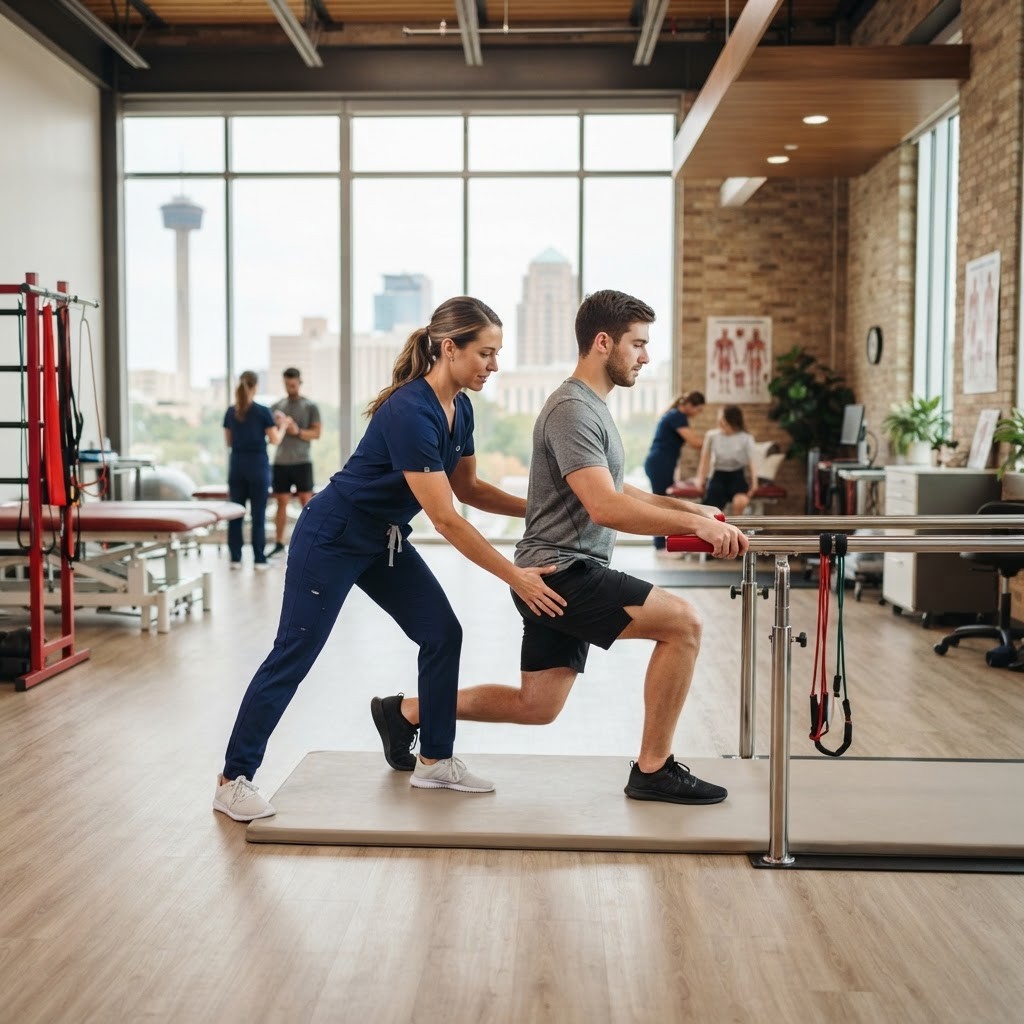
Choosing Physical Rehabilitation in San Antonio
Physiotherapy, commonly called physical therapy in the United States, helps people restore movement, reduce pain, and return to meaningful activity after injury, surgery, illness, or age-related change. San Antonio’s active population, military community, major health systems, and competitive sports culture support a diverse rehabilitation market. The best clinic is not necessarily the largest. It is the one whose clinicians understand the diagnosis, measure progress, adapt treatment, and teach patients how to manage their health outside the clinic.
1. Airrosti
San Antonio-based Airrosti is known for a focused model addressing musculoskeletal pain and common soft-tissue injuries. Care often combines hands-on assessment with guided rehabilitation exercises and home education. Its streamlined approach can appeal to busy patients seeking a clear plan. It may be especially relevant for back, neck, shoulder, and repetitive-use complaints, although complex postoperative or neurological cases may require a broader multidisciplinary setting.
2. Results Physiotherapy
Results Physiotherapy provides outpatient orthopedic rehabilitation for conditions involving joints, muscles, balance, and mobility. Patients may appreciate one-on-one clinical attention and an emphasis on manual therapy supported by exercise. When considering any outpatient clinic, ask how much time is spent directly with a licensed therapist, whether assistants participate, and how goals are reassessed over the course of care.
3. Texas Physical Therapy Specialists
Texas Physical Therapy Specialists has multiple locations and treats orthopedic injuries, sports-related problems, and persistent pain. A multi-clinic network offers scheduling convenience while still allowing patients to seek therapists with particular interests. The practice’s educational orientation can help people understand why specific movements are prescribed. That knowledge is important because consistent home exercise often determines whether gains continue between visits.
4. Select Physical Therapy
Select Physical Therapy offers a broad outpatient network and services that can include orthopedic rehabilitation, work-related injury care, balance support, and specialty programs. Its scale may help patients find a nearby clinic and appointment options. Quality can still depend on the individual location and therapist, so prospective patients should ask about experience with their exact surgery, injury, workplace demand, or athletic goal.
5. ATI Physical Therapy
ATI Physical Therapy serves patients who need general orthopedic and sports rehabilitation. Structured exercise areas and standardized outcome tracking can support an organized recovery process. People returning to demanding work or recreation should ask whether the clinic tests real-world functions such as lifting, running, cutting, climbing, or prolonged standing rather than relying only on pain ratings and basic range of motion.
6. University Health Rehabilitation Services
University Health is a strong consideration when rehabilitation must coordinate with hospital care, physicians, imaging, or multiple medical specialties. It can serve patients recovering from serious illness, trauma, surgery, or neurological conditions. Integration matters when precautions are complex. A hospital-connected program may also offer access to occupational and speech therapy, allowing the team to address daily activities, cognition, communication, or swallowing alongside mobility.
7. Methodist Hospital Rehabilitation Institute
Methodist Hospital Rehabilitation Institute supports people with significant rehabilitation needs after events such as stroke, brain injury, spinal conditions, or major surgery. Inpatient rehabilitation differs from a neighborhood clinic because it provides intensive therapy and medical oversight. Families should ask about admission criteria, daily therapy expectations, caregiver training, discharge planning, equipment recommendations, and transition to outpatient or home-based services.
8. PAM Health Rehabilitation Hospital of San Antonio
PAM Health Rehabilitation Hospital offers an inpatient environment for medically complex recovery. Its multidisciplinary model can include rehabilitation physicians, nurses, therapists, and case management. This coordinated structure is useful when a patient needs both medical monitoring and repeated therapy. When comparing rehabilitation hospitals, families should consider specialty experience, staffing, patient tolerance, outcome measures, and how the organization prepares the home for a safe return.
9. Warm Springs Rehabilitation Hospital of San Antonio
Warm Springs has a recognized local rehabilitation legacy and addresses recovery after neurological, orthopedic, and medically complex events. Patients may move through different levels of care as endurance and independence improve. A useful rehabilitation program should set practical goals with the patient, involve caregivers appropriately, and measure outcomes that matter, such as transfers, stairs, walking distance, self-care, and community participation.
10. Momentum Physical Therapy
Momentum Physical Therapy offers a locally oriented outpatient choice for musculoskeletal rehabilitation and performance goals. Independent practices can differentiate themselves through continuity, flexible communication, and familiarity with neighborhood needs. Athletes and active adults should look for progressive loading, movement analysis, and return-to-activity testing rather than passive treatment alone. A strong therapist gradually builds capacity instead of simply avoiding every movement that once hurt.
What High-Quality Therapy Looks Like
An effective first visit includes a detailed history, physical examination, baseline measurements, achievable goals, and a plain-language explanation of the plan. Treatment may use strength work, mobility training, balance, manual techniques, education, and task-specific practice. Modalities can help selected symptoms, but they should not replace active rehabilitation. Patients should expect the plan to evolve as function improves.
Practical Questions Before Booking
Verify licensure, insurance coverage, referral requirements, copays, cancellation rules, parking, accessibility, and appointment length. Ask whether the clinic routinely treats the relevant condition and how progress is documented. San Antonio traffic and summer heat can affect attendance, so location and scheduling deserve real weight. The most successful choice supports consistency, respects patient priorities, and provides a realistic path from symptom relief to durable independence.
Practical Next Steps
Create a shortlist based on the factors that matter most, then confirm current services directly before making a commitment. Prepare specific questions, compare written information on an equal basis, and keep notes after each conversation or visit. Independent credentials, applicable public records, transparent policies, and recent firsthand observations provide more useful evidence than promotional claims alone. Needs can change over time, so consider not only the immediate decision but also follow-up, continuity, accessibility, and the process for resolving concerns. A thoughtful comparison helps San Antonio residents choose a provider or organization whose capabilities, communication, cost, and day-to-day experience align with their priorities.
