
What Makes Physical Therapy Effective?
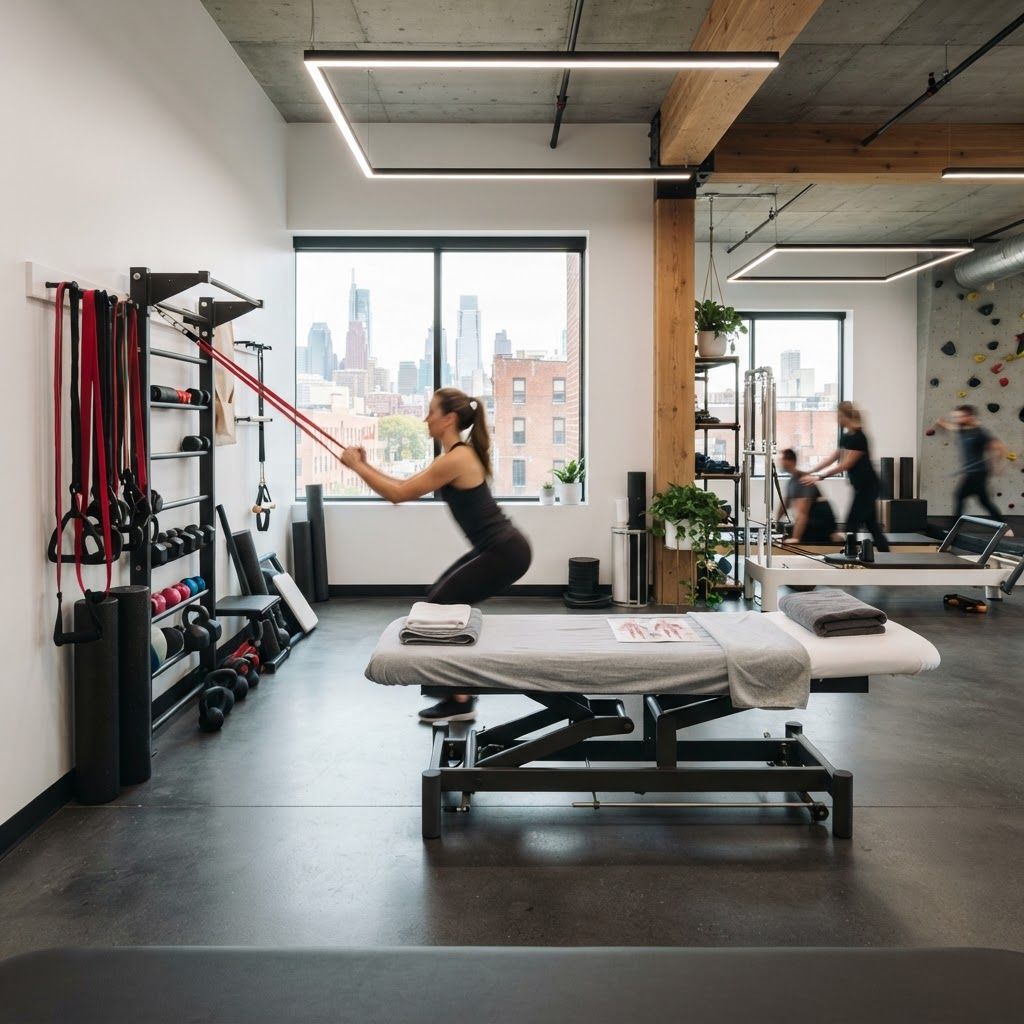
Physical therapy works best when assessment, progressive exercise, education, and measurable goals are combined. Passive treatments may ease symptoms, but lasting gains usually require active rehabilitation tailored to work, sport, and daily life. Philadelphia patients can choose from major hospital programs, sports medicine centers, and independent neighborhood clinics. Always confirm that the provider treats your condition and participates with your insurance.
1. Penn Therapy and Fitness
Penn Medicine’s rehabilitation network supports orthopedic, neurological, cardiac, pelvic health, and post-surgical needs. Integration with Penn physicians is a significant advantage after complex procedures or when symptoms require multidisciplinary input. Therapists can draw on system records and communicate with specialists, helping align precautions, milestones, and return-to-activity decisions.
2. MossRehab
MossRehab is nationally respected for rehabilitation medicine, particularly neurological and complex disability care. Its programs address stroke, spinal cord injury, brain injury, amputation, movement disorders, and orthopedic recovery. Access to rehabilitation physicians, therapists, technology, and specialized programs makes Moss especially valuable for patients whose needs extend beyond a standard outpatient visit.
3. Good Shepherd Penn Partners
Good Shepherd Penn Partners provides inpatient and outpatient rehabilitation across the Penn network. Programs include physical, occupational, and speech therapy, allowing coordinated care for patients with multiple functional challenges. The organization’s continuum of care is useful when someone transitions from hospitalization to outpatient recovery and eventually to independent activity.
4. Jefferson Rehabilitation
Jefferson offers therapy for orthopedic injuries, neurological conditions, balance problems, hand disorders, and post-operative recovery. Center City access and connections with Jefferson specialists make referrals and follow-up more straightforward. Patients with complicated medical histories may appreciate treatment within a system that can coordinate across surgery, imaging, and rehabilitation.
5. Magee Rehabilitation Hospital
Magee, part of Jefferson Health, is a prominent rehabilitation institution with deep experience in spinal cord injury, stroke, brain injury, amputation, and general rehabilitation. Its outpatient services build on hospital-level expertise. Patients and families often benefit from attention to mobility, independence, adaptive equipment, caregiver education, and community reintegration.
6. NovaCare Rehabilitation
NovaCare operates numerous clinics across Philadelphia, making scheduling and location flexibility major strengths. Services commonly cover orthopedic injuries, post-surgical rehabilitation, sports medicine, work-related conditions, and balance training. The quality of the therapist-patient relationship matters greatly, so ask whether you will see the same clinician consistently and how progress will be measured.
7. ATI Physical Therapy
ATI offers outpatient orthopedic and sports rehabilitation with standardized assessment and exercise-focused care. Convenient locations and broad scheduling can help patients maintain attendance, an important predictor of progress. Patients should expect a home program, regular reassessment, and gradual advancement rather than a repetitive routine that remains unchanged for weeks.
8. Ivy Rehab Physical Therapy
Ivy Rehab’s regional clinics treat musculoskeletal pain, surgical recovery, balance concerns, and sports injuries. The network model offers practical access while individual clinics retain community relationships. When selecting a site, consider the team’s experience with your diagnosis, appointment availability, equipment, and whether specialty services such as pelvic health or vestibular therapy are offered.
9. Excel Physical Therapy
Excel Physical Therapy has a strong regional presence and emphasizes individualized orthopedic rehabilitation. Its clinicians work with active adults, athletes, and patients recovering from surgery or persistent pain. A focus on movement mechanics and functional goals can be useful for people aiming to return to demanding work, recreation, or competitive sport.
10. Vincera Institute
Vincera Institute focuses on sports medicine and difficult core, hip, groin, and pelvic injuries. It attracts athletes and active individuals whose symptoms have resisted conventional treatment. The institute’s concentrated expertise and collaboration among clinicians may help clarify complex movement-related pain, though patients should verify coverage and referral requirements.
Questions to Ask at Evaluation
Ask what the therapist believes is driving your limitations, which outcomes will be tracked, and what you should do between visits. Clarify expected visit frequency, cancellation rules, insurance authorization, and whether care is delivered one-on-one or shared among several patients. A good plan should evolve as strength, mobility, confidence, and tolerance improve.
Rehabilitation Trends in Philadelphia
Local clinics increasingly use remote exercise support, blood-flow restriction when appropriate, motion analysis, and objective strength testing. There is also greater emphasis on pain education and whole-person factors such as sleep, stress, and workload. Technology can enhance care, but consistency and skilled clinical reasoning remain the foundation of successful rehabilitation.
