
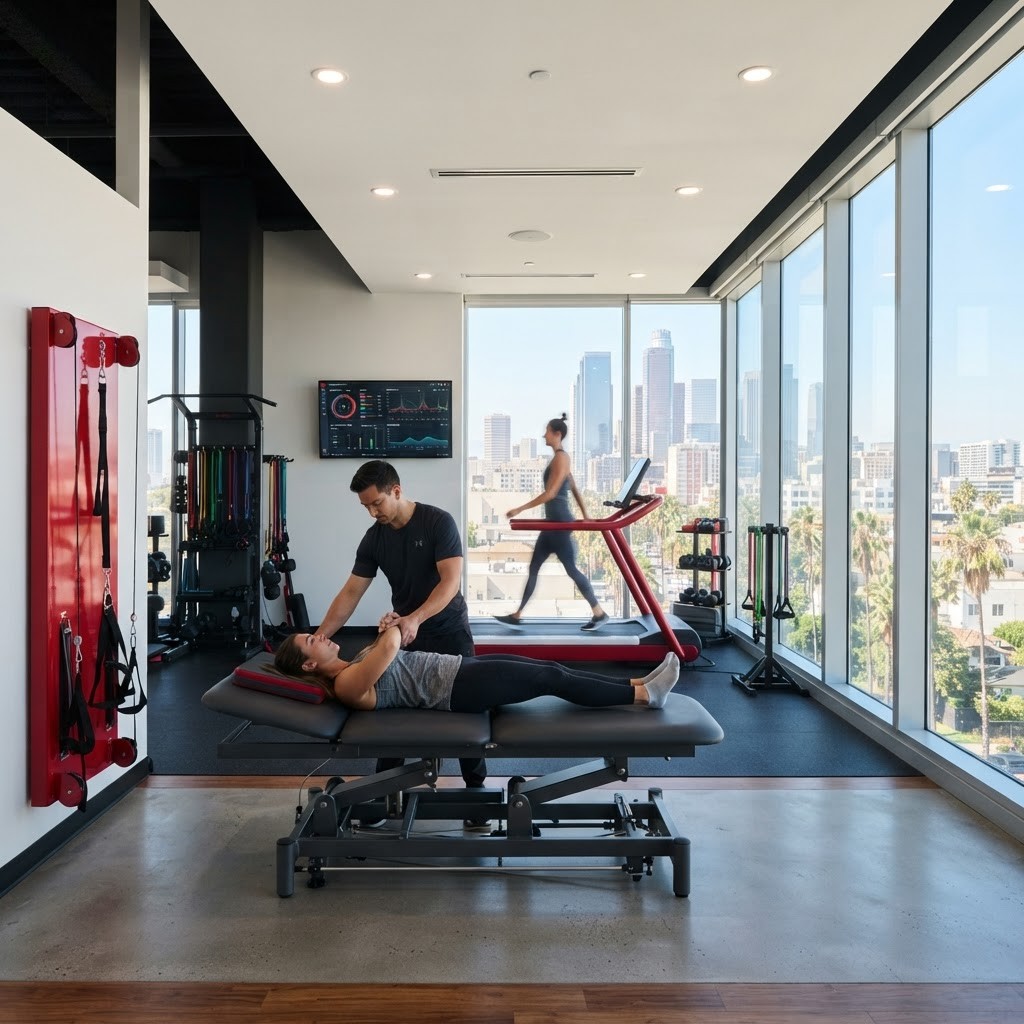
Physical therapy in an active, sprawling city
From weekend hikers and professional performers to desk workers and postoperative patients, Los Angeles residents seek physical therapy for many reasons. Good rehabilitation is not simply a collection of passive treatments. It begins with an assessment, identifies functional limitations, establishes measurable goals, and progresses exercise or movement demands over time. The best fit may be a hospital program for medical complexity, a sports clinic for return-to-play testing, or a neighborhood practice that makes consistent attendance realistic.
1. UCLA Health Rehabilitation Services
UCLA Health provides physical therapy within an academic health system, supporting orthopedic, neurological, and medically complex rehabilitation. Coordination with physicians and surgeons is a strength for patients recovering from major procedures or managing multiple conditions. Specialty resources and evidence-informed care make it a useful option when rehabilitation is part of a broader treatment plan.
2. Cedars-Sinai Physical Medicine and Rehabilitation
Cedars-Sinai offers rehabilitation services connected to hospital specialists and diagnostic resources. Patients may benefit from coordinated care after joint replacement, spine treatment, neurological illness, or serious injury. Its multidisciplinary context helps when pain, medication, surgery, and mobility need to be considered together rather than in isolation.
3. USC Physical Therapy
USC’s physical therapy services draw on an academic program with expertise in movement science, orthopedics, neurology, sports, and other areas. The teaching and research environment supports structured assessment and contemporary rehabilitation methods. It may be particularly attractive to patients seeking specialist input or care coordinated with Keck Medicine.
4. Select Physical Therapy
Select Physical Therapy operates outpatient locations offering orthopedic rehabilitation, postoperative care, balance work, and related services. A multi-location network can help patients choose a clinic close to home or work, which matters because consistency often drives progress. Specialty availability and therapist experience should be checked at the individual location.
5. MOTI Physiotherapy
MOTI Physiotherapy is associated with orthopedic and sports rehabilitation in Los Angeles. Its model emphasizes movement, exercise, manual techniques, and individualized planning. Active adults may appreciate attention to the demands of running, cycling, strength training, dance, or recreational sport rather than focusing only on symptom reduction.
6. Evolution Physical Therapy and Fitness
Evolution blends rehabilitation with fitness-oriented progression. That bridge can be useful for patients who no longer need basic recovery exercises but are not ready to resume full training. The practice’s sports and performance perspective supports graded loading and a more deliberate transition from treatment to independent activity.
7. Stay Ready Physical Therapy
Stay Ready Physical Therapy serves an active Los Angeles clientele with sports and orthopedic concerns. Its appeal lies in individualized attention and performance-aware rehabilitation. Patients should look for objective milestones—strength, range, tolerance, and movement quality—that guide decisions about returning to demanding activity.
8. The Lab Doctors of Physical Therapy
The Lab Doctors of Physical Therapy focuses on personalized orthopedic and movement care. Boutique clinics can offer continuity with the same clinician and sessions tailored to specific goals. The key is whether the treatment evolves: hands-on work may ease symptoms, but progressive exercise and self-management should prepare the patient for life outside the clinic.
9. Blake Physical Therapy
Blake Physical Therapy is a long-standing Westside practice serving orthopedic, sports, and postoperative needs. Its established local presence is useful for residents seeking outpatient continuity. As with any clinic, patients should ask how much direct time they receive with a licensed therapist and how home exercises are reviewed.
10. California Rehabilitation and Sports Therapy
California Rehabilitation and Sports Therapy provides outpatient rehabilitation across Southern California. Services commonly address orthopedic injuries, surgery recovery, and sports-related limitations. Network reach may improve convenience, while location-level questions about specialty credentials, scheduling, and treatment style help determine the best match.
How to recognize effective rehabilitation
A strong initial evaluation should connect symptoms to meaningful activities such as walking stairs, lifting a child, returning to work, or competing in sport. The therapist should explain findings without promising a guaranteed cure. Plans should include milestones and reassessment. Passive modalities can have a supporting role, but lasting gains generally require education, graded movement, strength, and confidence.
Verify licensure, insurance benefits, referral requirements, and the number of authorized visits. Ask whether the clinic treats your diagnosis frequently and whether a specialist is available for pelvic health, vestibular rehabilitation, neurological care, hand therapy, or another focused need. In Los Angeles, travel time can undermine attendance, so choose a location and schedule you can sustain. The best physiotherapy center is ultimately the one that pairs relevant expertise with an active, measurable plan that helps you become less dependent on treatment over time.
Making a confident final decision
Before committing, compare at least two suitable providers and keep notes on qualifications, availability, costs, policies, and the questions each team answers well. Independent reviews can reveal patterns, but they should be weighed alongside verified credentials and direct consultation because individual experiences differ. Bring a current medication list, relevant records, and clear goals to any health-related appointment. Ask what outcomes are realistic, how progress or quality is measured, who handles follow-up, and what happens when needs change. Los Angeles offers extraordinary choice, yet a prestigious name is useful only when the service matches the individual. Careful research, transparent communication, appropriate professional oversight, and a sustainable location usually produce a better decision than convenience, advertising, or price considered alone.
