
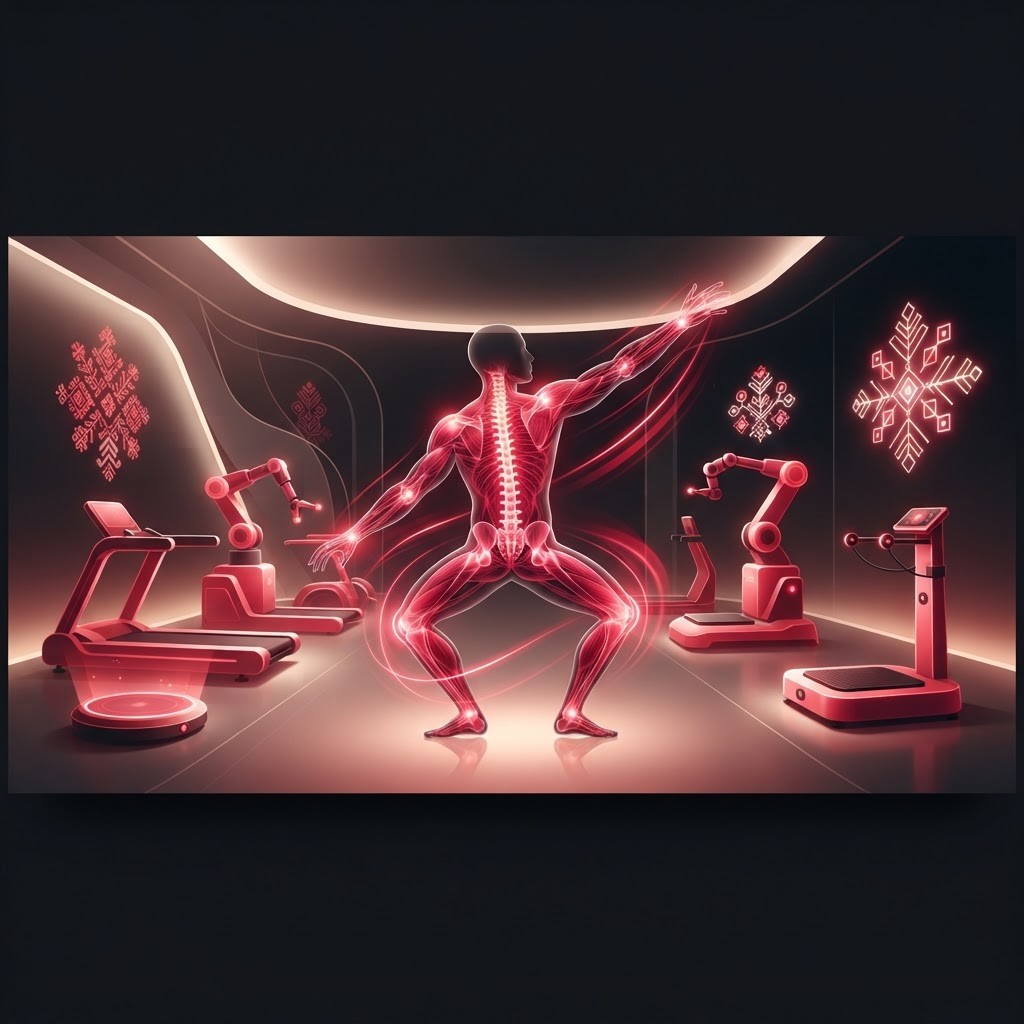
A Nation Built on Healing Traditions
Hungary has a centuries-old relationship with therapeutic healing, rooted in its famous thermal spas and mineral-rich waters. This heritage has evolved into a modern physiotherapy and rehabilitation sector that blends traditional balneotherapy with contemporary evidence-based practice. Patients recovering from injuries, surgeries, or chronic conditions benefit from a wealth of expertise and facilities across the country.
Physiotherapy in Hungary spans sports rehabilitation, post-operative recovery, neurological rehabilitation, and management of chronic musculoskeletal pain. The combination of skilled therapists, specialized equipment, and access to natural thermal resources gives Hungarian centers a distinctive advantage.
Top Physiotherapy and Rehabilitation Centers
Budai Egeszsegkozpont (Buda Health Center) offers comprehensive physiotherapy alongside orthopedics and sports medicine, making it a strong choice for patients who need coordinated musculoskeletal care.
Fizioterapia Kozpont Budapest specializes in manual therapy, movement rehabilitation, and personalized exercise programs, with therapists trained in a range of modern techniques.
Duna Medical Center provides rehabilitation as part of its multi-specialty offering, integrating physiotherapy with orthopedic surgery and pain management for seamless recovery pathways.
Medicover delivers accessible physiotherapy across its clinic network, serving patients with sports injuries, back pain, and post-surgical rehabilitation needs.
Sports and Specialized Rehabilitation
ProSport Physiotherapy focuses on athletes and active individuals, offering injury prevention, performance recovery, and return-to-sport programs. Its therapists work closely with patients to restore strength and function after musculoskeletal injuries.
Rehab Center Budapest specializes in neurological rehabilitation, supporting patients recovering from stroke, spinal injuries, and neurological conditions with intensive, structured programs.
Mozgasterapia Studio emphasizes movement therapy and postural correction, popular with office workers and those managing chronic pain. Termal Rehabilitation Center leverages Hungary's thermal water resources for hydrotherapy and balneotherapy, combining traditional healing with modern rehabilitation.
OrtoProfil Clinic integrates orthopedics and physiotherapy for comprehensive musculoskeletal care, while Vital Move Physio rounds out the list with a patient-centered approach to recovery and long-term wellness.
Techniques and Modern Approaches
Hungarian physiotherapy centers employ a broad range of evidence-based techniques. Manual therapy, including joint mobilization and soft tissue work, remains fundamental. Therapeutic exercise programs are tailored to each patient's condition and goals, forming the core of most rehabilitation plans.
Modern modalities such as electrotherapy, ultrasound therapy, shockwave treatment, and laser therapy support pain management and tissue healing. Many centers also incorporate functional training and movement analysis to address the root causes of dysfunction rather than just symptoms.
The Role of Thermal and Hydrotherapy
One of Hungary's unique strengths is its integration of thermal water therapy into rehabilitation. Hydrotherapy in warm mineral water reduces joint loading, eases muscle tension, and allows patients to perform movements that might be painful on land. This is particularly valuable for arthritis, post-surgical recovery, and chronic pain conditions.
Balneotherapy, the therapeutic use of mineral baths, has a long tradition in Hungarian medicine and continues to complement conventional physiotherapy. This blend of natural and clinical approaches distinguishes the country's rehabilitation offerings.
Choosing the Right Physiotherapy Center
Selecting a physiotherapy provider depends on the specific condition and recovery goals. Patients recovering from sports injuries benefit from centers with sports rehabilitation expertise, while those with neurological conditions need specialized neuro-rehabilitation programs. For chronic pain and mobility issues, centers offering hydrotherapy and comprehensive movement programs may be ideal.
Important considerations include the qualifications and experience of therapists, the range of available modalities, and the center's approach to individualized care. Continuity of care and clear progress tracking also contribute to successful outcomes.
Conclusion
Hungary's physiotherapy centers reflect a deep tradition of healing combined with modern rehabilitation science. From sports recovery to neurological rehabilitation and thermal hydrotherapy, the clinics highlighted here offer diverse expertise to help patients regain mobility and quality of life. With skilled therapists, advanced techniques, and access to the country's renowned thermal resources, Hungary stands out as a leading destination for physiotherapy and rehabilitation.
