
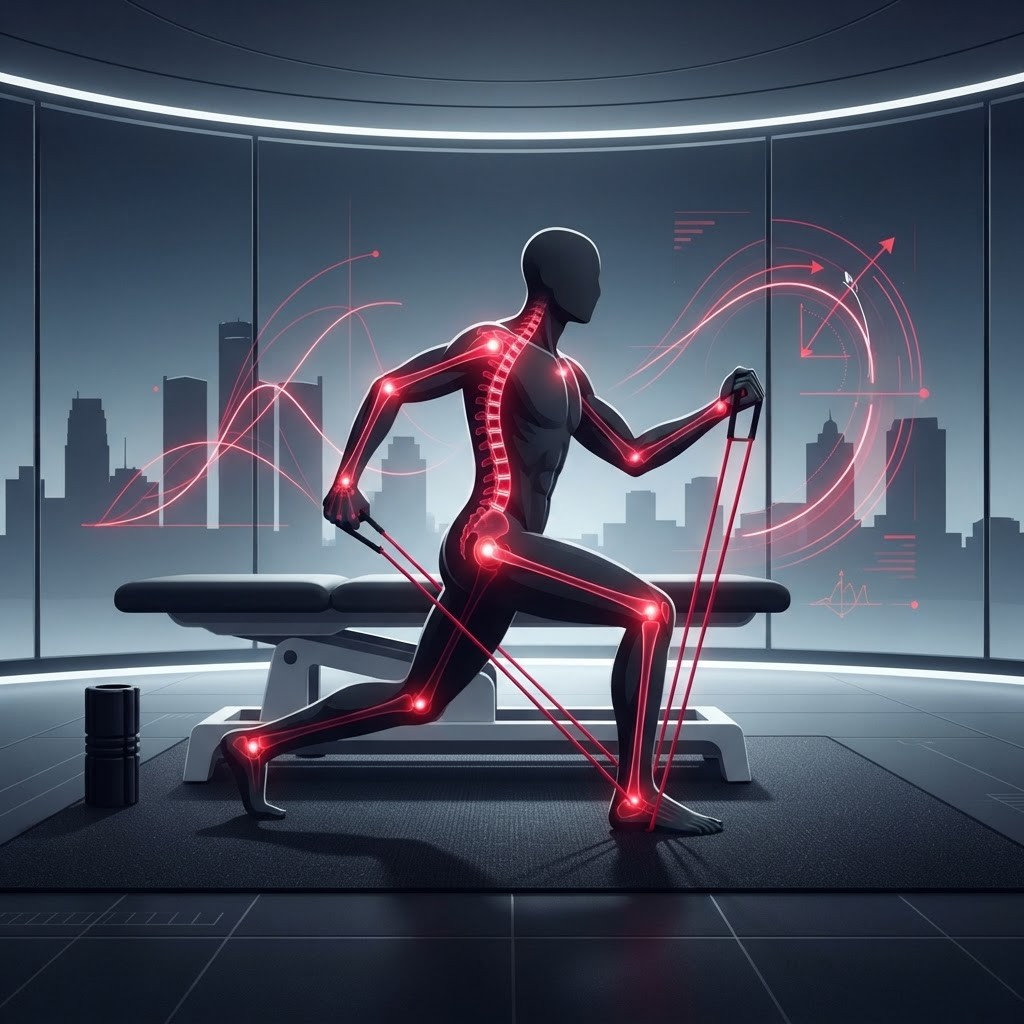
Why Physiotherapy Has Become Central to Detroit Healthcare
Physical therapy occupies an increasingly important position in American healthcare, and Detroit illustrates why. The city has an industrial employment history that produced decades of repetitive strain and lifting injuries, an aging population managing arthritis and joint replacements, an active athletic community across high schools and recreational leagues, and a growing preference for conservative treatment before surgery or long-term pain medication.
Research consistently shows that early access to skilled physical therapy reduces imaging costs, opioid prescriptions, and surgical rates for many musculoskeletal complaints. Michigan's direct access provisions allow patients to begin therapy without first obtaining a physician referral in many circumstances, which shortens the gap between injury and treatment considerably.
What Distinguishes a Strong Physiotherapy Clinic
The clearest marker is treatment philosophy. Excellent clinics build care around active loading, graded exercise progression, and patient education, using manual therapy and modalities as adjuncts rather than the main event. Other reliable signals include one-on-one time with a licensed therapist rather than delegation to aides for most of the session, objective outcome measurement at intake and discharge, board-certified specialists in orthopedics, neurology, or sports, realistic visit-count expectations, and home program design that patients can actually sustain.
1. Henry Ford Health Rehabilitation Services
The rehabilitation division within Henry Ford Health delivers orthopedic, neurological, cardiac, and pelvic health therapy across multiple Detroit locations. Its advantage is integration: therapists communicate directly with the referring surgeon or neurologist, and complex cases benefit from coordinated multidisciplinary planning. Specialized programs for stroke recovery and vestibular disorders are particular strengths.
2. Rehabilitation Institute of Michigan
Widely recognized for intensive rehabilitation after catastrophic injury, this institute serves patients recovering from spinal cord injury, traumatic brain injury, stroke, and amputation. Inpatient and outpatient programs use advanced technology including body-weight-supported treadmill training and robotic gait assistance, paired with the psychological and vocational support that long recoveries require.
3. Detroit Medical Center Physical Therapy
DMC's outpatient therapy clinics handle a heavy post-surgical caseload, particularly following joint replacement, rotator cuff repair, and spine procedures. Protocol-driven progressions coordinated with operating surgeons give patients clear milestones, while therapists adapt loading based on individual tissue response rather than calendar dates alone.
4. Motor City Sports Physical Therapy
Athletic rehabilitation requires more than pain resolution; it requires readiness to return to competitive demand. This clinic emphasizes return-to-sport testing, including strength symmetry measurement, hop and landing assessment, and sport-specific movement screening before clearance. Anterior cruciate ligament recovery, throwing shoulder rehabilitation, and hamstring injury prevention are core competencies.
5. Midtown Movement and Manual Therapy
Smaller practices that build their model around extended one-on-one sessions often achieve excellent results for stubborn chronic cases. This clinic combines hands-on joint and soft tissue work with progressive strength training, focusing on persistent low back pain, neck pain, and tendinopathy that has not responded to shorter, higher-volume care models.
6. Eastside Neurological Rehabilitation
Neurological physical therapy operates on different principles than orthopedic care, emphasizing motor relearning, balance retraining, and functional independence. This center works with Parkinson's disease, multiple sclerosis, post-stroke hemiparesis, and vestibular dysfunction, using high-repetition task-specific training and caregiver education that extends therapy into the home.
7. Great Lakes Occupational and Industrial Rehab
Work-related injury rehabilitation involves clinical and functional dimensions simultaneously. This clinic conducts functional capacity evaluations, designs work conditioning programs that simulate job demands, and performs ergonomic assessment at employer sites. For Detroit's manufacturing, logistics, and healthcare workforces, a therapist who understands actual job tasks makes return-to-work planning far more realistic.
8. Riverfront Aquatic Therapy Center
Water-based rehabilitation is genuinely valuable for patients who cannot tolerate full weight bearing, including those with advanced osteoarthritis, significant obesity, fibromyalgia, or early post-fracture recovery. Warm-water pools reduce joint load while allowing meaningful strengthening, and skilled aquatic therapists use the transition to land-based exercise as a structured progression rather than an abrupt switch.
9. Detroit Pelvic Health and Physical Therapy
Pelvic floor physical therapy addresses conditions that patients rarely discuss but experience frequently: urinary incontinence, pelvic pain, postpartum recovery, and post-prostatectomy dysfunction. Specialized training and private treatment environments are essential, and clinics offering this service fill a substantial unmet need across the city.
10. Wayne Community Physical Therapy
Affordability determines whether many residents complete a course of care at all. This clinic works with Medicaid and Medicare populations, offers group exercise classes for chronic conditions, and structures plans around fewer, well-spaced visits supported by rigorous home programming. Bilingual services and transit-accessible locations reduce practical barriers to attendance.
Trends in Modern Rehabilitation
Several developments are reshaping practice. Load management and progressive resistance training have displaced prolonged rest for tendon and muscle injuries, with heavier loading now understood to promote tissue remodeling. Pain neuroscience education helps patients with persistent pain understand sensitization, reducing fear-driven avoidance that perpetuates disability. Blood flow restriction training allows meaningful strength gains at low loads for early post-surgical patients. Telerehabilitation supports home program supervision between visits, and wearable sensors provide objective movement data that once required a laboratory.
Making Therapy Work for You
Attend consistently, because rehabilitation outcomes correlate strongly with adherence to both clinic visits and home exercise. Ask for measurable goals tied to activities that matter to you, such as climbing stairs without a rail or lifting a grandchild, rather than vague improvement targets. Communicate honestly about pain during exercise, since some discomfort is expected and appropriate while sharp or worsening pain is information the therapist needs. Expect to work; passive treatment alone rarely produces durable results. Finally, plan for maintenance after discharge, because the strength and mobility gained in therapy fade without ongoing activity.
Final Thoughts
Detroit offers strong physiotherapy options across the full spectrum of need, from catastrophic injury rehabilitation at nationally recognized institutes to neighborhood clinics focused on affordable chronic pain management. Choosing the right setting means matching the clinic's specialization and treatment model to your specific condition and goals, then committing to the active work that makes rehabilitation effective.
