
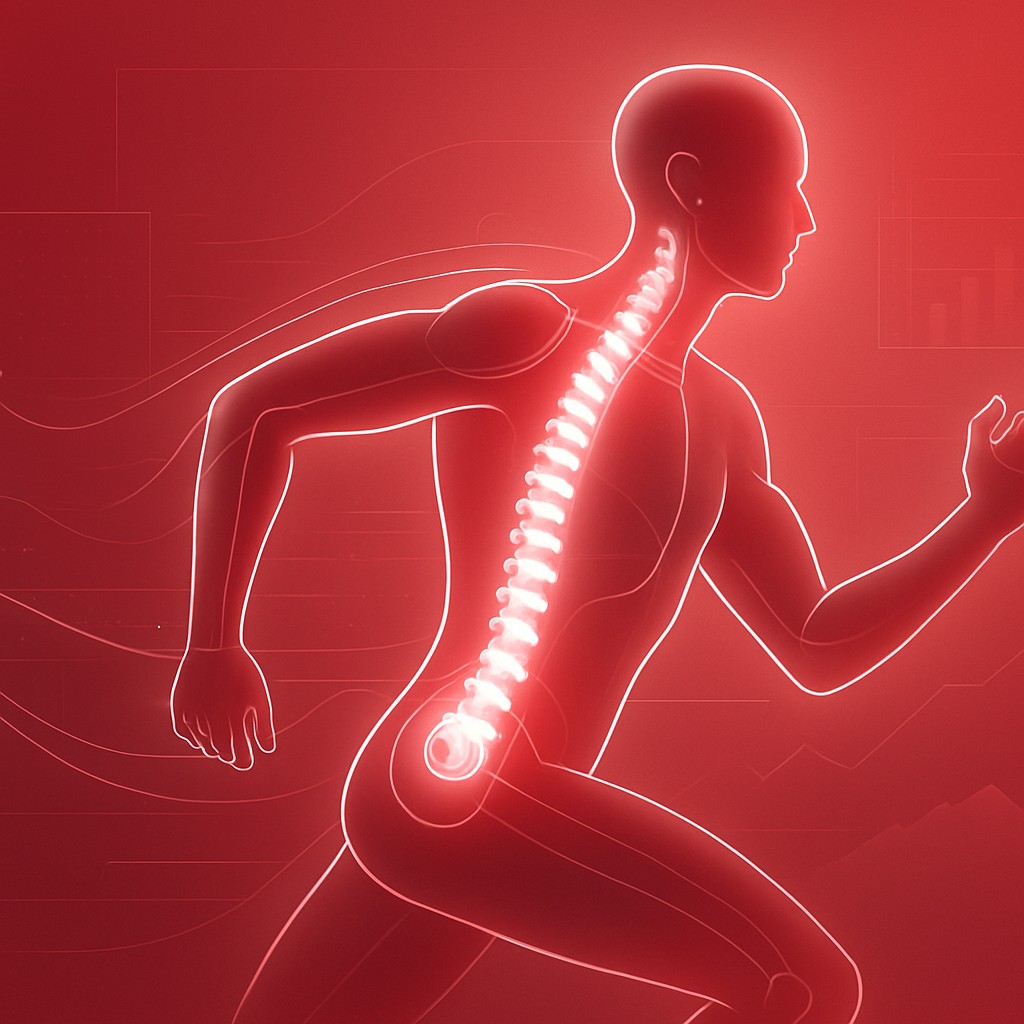
The Growing Role of Physiotherapy in Chile
Physiotherapy, known locally as kinesiology, occupies an increasingly important place in Chilean healthcare. As awareness of physical wellbeing rises and the population ages, demand for rehabilitation, injury prevention, and movement therapy has surged. From athletes recovering after surgery to office workers managing chronic back pain, Chileans of every background are turning to skilled therapists to restore function and quality of life.
The country's leading physiotherapy centers have responded with specialized programs, modern equipment, and evidence-based approaches that rival international standards. They serve a diverse clientele, addressing sports injuries, neurological rehabilitation, post-surgical recovery, and the everyday aches that accompany modern living.
What Sets the Best Centers Apart
The finest physiotherapy clinics share a commitment to individualized care. Rather than applying a single template, they assess each patient thoroughly and design treatment plans that evolve as recovery progresses. Their therapists hold strong academic credentials and pursue ongoing training in manual therapy, dry needling, and modern rehabilitation techniques.
Top centers also invest in environment and equipment. Spacious gyms, hydrotherapy pools, and advanced electrotherapy tools allow them to treat a wide range of conditions. Just as crucial is a culture of empathy, where staff motivate patients through challenging recoveries and celebrate measurable progress.
Ten Physiotherapy Centers Leading the Field
Several institutions have earned strong reputations across Chile. Kinemedica is recognized for its comprehensive rehabilitation programs and experienced team. Clínica MEDS is widely respected for sports medicine and physiotherapy, serving both elite athletes and everyday patients. Centro de Kinesiología Integral emphasizes holistic recovery that addresses the whole body.
Fisioterapia Santiago has built a loyal following for musculoskeletal care, while Rehabilita Centro Kinésico focuses on neurological and orthopedic rehabilitation. Clínica Kinésica Providencia offers accessible, high-quality treatment in the capital, and Centro Kinésico Vida Activa is appreciated for its preventive and wellness orientation.
Additional trusted names include BodyFisio, known for manual therapy expertise; Kine Salud, valued for personalized attention; and Centro de Rehabilitación Movimiento, recognized for combining technology with hands-on care. These centers collectively demonstrate the strength and variety of physiotherapy services available throughout the country.
Specialized Areas of Care
Modern physiotherapy in Chile spans many subspecialties. Sports rehabilitation helps athletes return safely after injury, often working closely with orthopedic surgeons. Neurological physiotherapy supports patients recovering from stroke or living with conditions affecting movement. Pediatric and geriatric programs address the distinct needs of the very young and the elderly.
Workplace and posture-related therapy has grown rapidly as sedentary jobs become more common. Therapists now routinely treat repetitive strain, neck tension, and lower-back pain linked to prolonged sitting, while also teaching prevention strategies that patients can apply at home and at work.
Innovation and Technology
Technology is transforming rehabilitation across the country. Centers increasingly use motion-analysis tools, biofeedback systems, and shockwave therapy to accelerate recovery and measure progress objectively. Hydrotherapy remains a valued method for low-impact strengthening, especially for patients with joint conditions.
Telerehabilitation has also gained ground, enabling therapists to guide patients through exercises remotely and maintain continuity of care. This is especially useful for individuals in rural areas or those balancing therapy with demanding schedules.
The Importance of Prevention
Perhaps the most significant shift in Chilean physiotherapy is the emphasis on prevention. Rather than waiting for injury, many centers now offer movement assessments, ergonomic guidance, and conditioning programs designed to keep the body resilient. This proactive philosophy reduces long-term costs and improves overall wellbeing.
Employers, sports clubs, and schools increasingly partner with physiotherapy centers to promote healthy movement, reflecting a broader cultural recognition that physical maintenance is as important as treatment.
How to Choose the Right Center
When selecting a physiotherapy provider, patients should consider the center's specialization, the qualifications of its therapists, and the quality of its facilities. Clear communication, a structured treatment plan, and a welcoming atmosphere are strong signs of a reputable clinic. Personal recommendations and a center's track record with similar conditions also offer valuable guidance.
Ultimately, the right center is one that treats each patient as an individual, sets realistic goals, and supports them throughout the journey from injury to recovery and beyond.
The Patient Experience and Continuity of Care
Recovery is rarely a single appointment but a journey that unfolds over weeks or months. The best physiotherapy centers recognize this and design experiences that keep patients motivated throughout. Detailed progress tracking, clear milestones, and regular reassessment help individuals see measurable improvement, which sustains commitment during difficult phases of rehabilitation.
Continuity matters as well. Leading clinics ensure that patients work consistently with familiar therapists who understand their history and goals, building the trust essential to effective treatment. Many also provide home-exercise programs and follow-up support so that gains are maintained long after formal sessions end. This emphasis on the complete patient experience, from first assessment to long-term wellbeing, is increasingly what separates outstanding centers from the rest in Chile's competitive landscape.
Conclusion
Physiotherapy in Chile has evolved into a sophisticated and patient-centered field, supported by talented professionals and modern facilities. The centers featured here exemplify the dedication and expertise driving the profession forward. As prevention and technology continue to shape the discipline, Chileans can look forward to rehabilitation services that help them move freely, perform at their best, and age with strength and confidence.
