
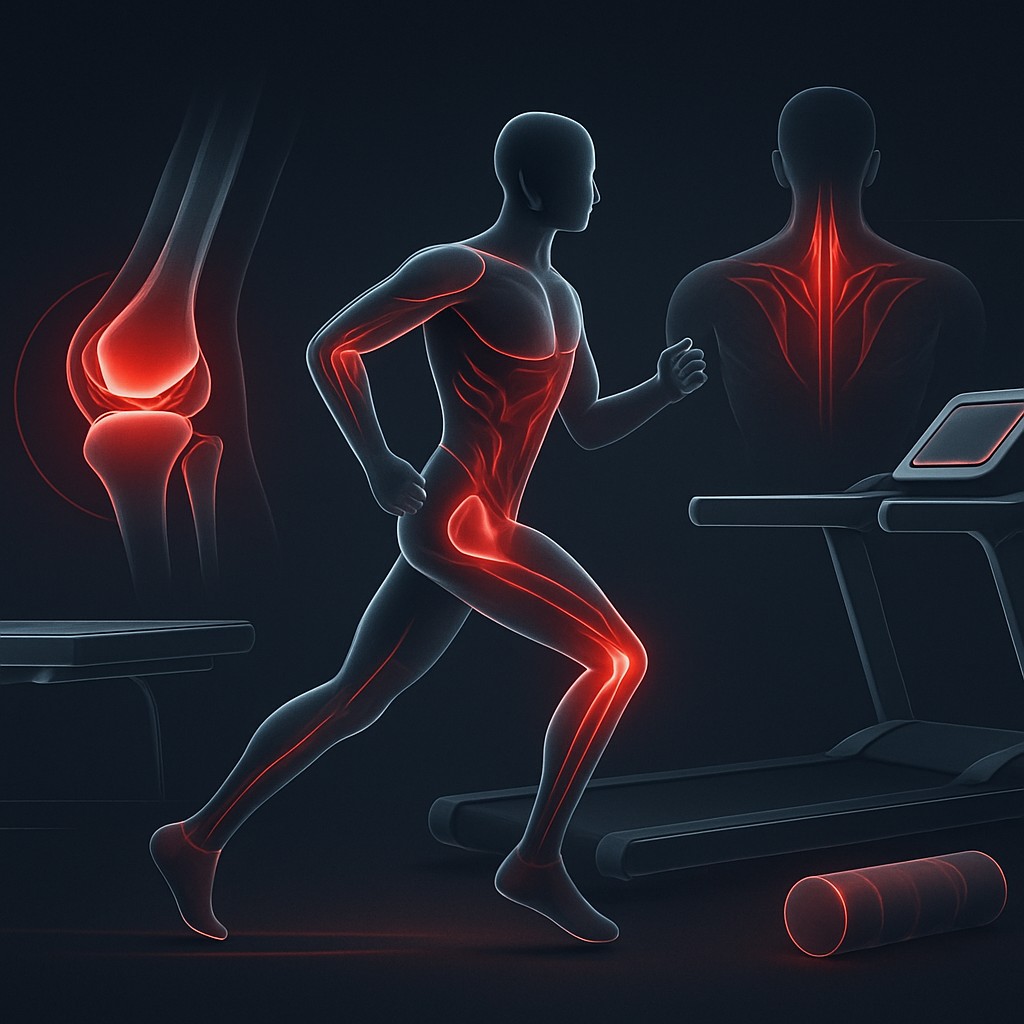
The Growing Role of Physiotherapy in Burundi
Physiotherapy, also known as physical therapy, has become an increasingly important component of healthcare in Burundi. As the population becomes more aware of the benefits of rehabilitation, demand for qualified physiotherapists has risen across hospitals, clinics, and private practices. Physiotherapy helps patients recover from injuries, manage chronic pain, regain mobility after surgery, and improve their overall physical function.
For individuals living with disabilities, recovering from accidents, or managing conditions such as stroke and arthritis, physiotherapy can be life-changing. The country's leading centers are equipping themselves with trained therapists and modern techniques to meet this growing need.
What Defines a Quality Physiotherapy Center
A reputable physiotherapy center is built on the expertise of its therapists and the breadth of its treatment options. Qualified physiotherapists assess each patient's condition, design personalized treatment plans, and guide them through exercises and therapies that promote recovery. Modern centers may offer manual therapy, electrotherapy, hydrotherapy, and specialized equipment for rehabilitation.
Patient-centered care is essential. The best centers track progress carefully, adjust treatment as needed, and educate patients on exercises they can perform at home. A supportive, encouraging environment makes a significant difference in motivation and outcomes.
Leading Physiotherapy Centers Across the Country
Several institutions provide respected physiotherapy services in Burundi. The rehabilitation departments at major hospitals such as Centre Hospitalo-Universitaire de Kamenge (CHUK) and Hopital Militaire de Kamenge offer essential physiotherapy for post-surgical recovery, neurological conditions, and orthopedic injuries.
Specialized rehabilitation facilities, including those supported by organizations focused on disability care, play a crucial role. The Centre de Readaptation Physique initiatives, often run in partnership with international NGOs, provide rehabilitation and mobility support, including services for amputees and individuals with physical disabilities.
Private clinics such as Physio Care Burundi and Cabinet de Kinesitherapie Bujumbura offer personalized treatment for sports injuries, back pain, and post-operative rehabilitation. Faith-based and mission hospitals, including Kibuye Hope Hospital, also maintain physiotherapy programs that serve both urban and rural patients. Emerging practices focused on sports rehabilitation and wellness are expanding the options available to athletes and active individuals.
Common Physiotherapy Services
Physiotherapy centers in Burundi provide a wide range of services tailored to different needs. Musculoskeletal physiotherapy addresses conditions such as back pain, neck pain, joint problems, and sports injuries. Neurological rehabilitation supports patients recovering from stroke, spinal cord injuries, and other conditions affecting movement and coordination.
Post-surgical rehabilitation helps patients regain strength and mobility after operations, while pediatric physiotherapy assists children with developmental and physical challenges. Many centers also offer pain management programs, posture correction, and guidance on ergonomics and injury prevention.
Trends Shaping Physiotherapy Practice
The physiotherapy sector in Burundi is evolving in response to growing demand and global best practices. There is increasing emphasis on evidence-based treatment, with therapists adopting techniques proven to deliver results. Awareness of the importance of early rehabilitation following injury or surgery is also rising.
Community-based rehabilitation is another important trend, bringing physiotherapy services closer to those who cannot easily travel to hospitals. Partnerships with international organizations continue to provide training, equipment, and support, particularly in the area of disability rehabilitation. Interest in sports physiotherapy is also growing alongside increased participation in athletics and fitness.
The Benefits of Physiotherapy
Physiotherapy offers wide-ranging benefits for patients of all ages. It helps relieve pain without reliance on medication, restores mobility and function, and accelerates recovery from injuries and surgery. For people with chronic conditions, physiotherapy improves quality of life and helps maintain independence.
Beyond physical recovery, physiotherapy can boost confidence and mental wellbeing as patients regain their ability to perform daily activities. Preventive physiotherapy also reduces the risk of future injuries by improving strength, flexibility, and posture.
Choosing the Right Physiotherapy Center
When selecting a physiotherapy center in Burundi, patients should consider the qualifications and experience of the therapists, the range of services offered, and the availability of appropriate equipment. Recommendations from doctors and previous patients can be valuable. It is also important to choose a center that develops personalized treatment plans and communicates progress clearly.
Accessibility, cost, and the availability of follow-up care should also be considered. A good physiotherapist will conduct a thorough assessment, set realistic goals, and involve the patient actively in their own recovery.
Conclusion
The physiotherapy centers featured in this guide reflect Burundi's growing commitment to rehabilitation and physical wellbeing. Through skilled therapists, modern techniques, and compassionate care, they are helping patients recover, regain independence, and improve their quality of life. As awareness of physiotherapy's benefits continues to spread, these centers will play an ever more important role in the nation's healthcare landscape.
