
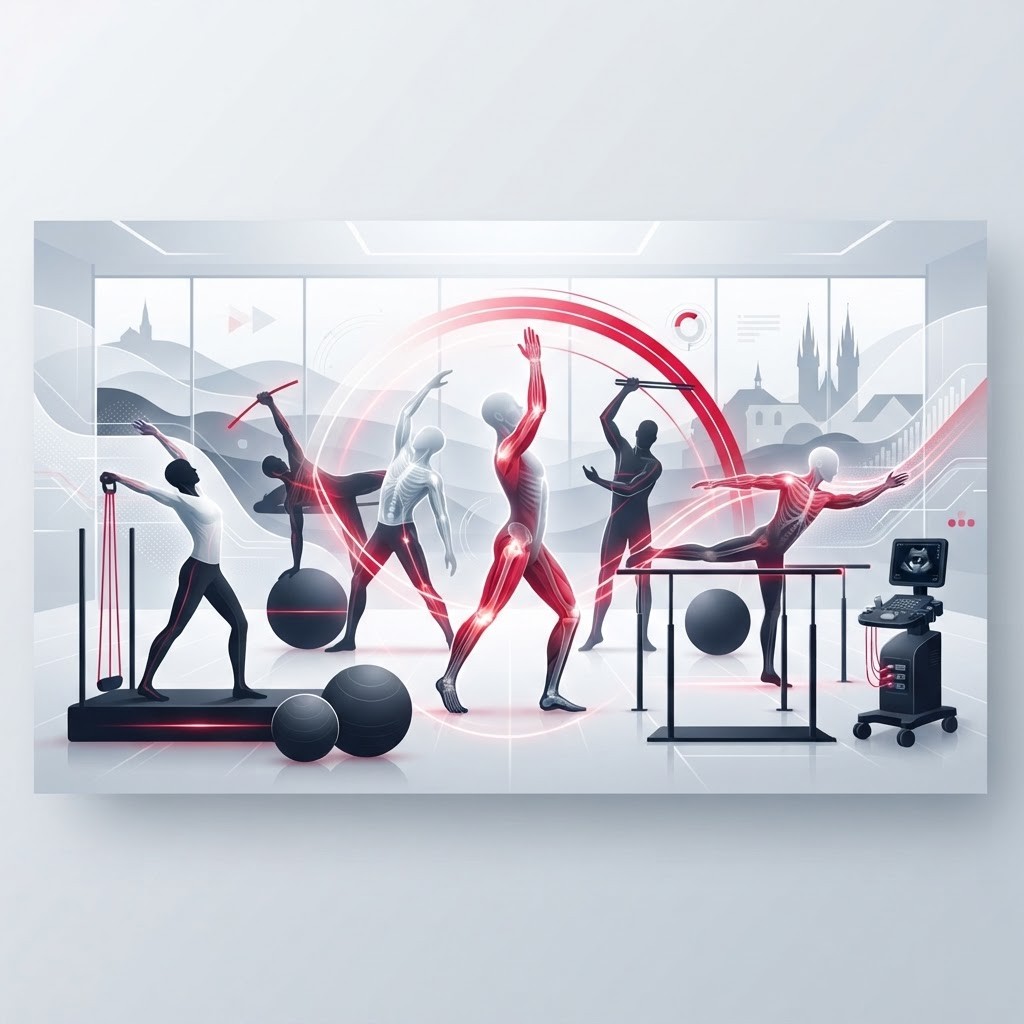
A Strong Tradition of Rehabilitation Medicine
The Czech Republic has long held a distinguished place in the field of rehabilitation and physiotherapy. Rooted in a rich history of balneology and spa medicine, the country developed one of Europe's most respected traditions of physical therapy, exemplified by the internationally recognized Prague School of Rehabilitation. This heritage continues to influence how physiotherapy is practiced today, blending functional assessment, manual techniques, and structured exercise therapy.
Modern Czech physiotherapy centers combine this legacy with contemporary, evidence-based approaches. Patients recovering from injury, surgery, or chronic conditions can access highly trained therapists supported by well-equipped facilities across Prague, Brno, Ostrava, and the country's famous spa towns.
What Sets Leading Physiotherapy Centers Apart
The best physiotherapy centers begin with thorough assessment. Rather than treating symptoms in isolation, skilled therapists analyze movement patterns, posture, and functional limitations to identify root causes. This holistic evaluation forms the basis of an individualized treatment plan tailored to each patient's goals, whether returning to sport, recovering mobility after surgery, or managing chronic pain.
Quality centers also emphasize continuity and education. Patients are guided through active rehabilitation and taught self-management strategies, empowering them to maintain progress at home. A collaborative approach, often involving physicians, orthopedic specialists, and sports professionals, further distinguishes top providers.
Common Conditions and Specializations
Physiotherapy centers in Czechia treat a broad spectrum of conditions. Musculoskeletal complaints such as back and neck pain, joint disorders, and sports injuries are among the most common. Post-surgical rehabilitation, particularly following orthopedic procedures, is a core service, as is neurological rehabilitation for patients recovering from stroke or living with conditions affecting movement.
Many centers also offer specialized programs in pediatric physiotherapy, women's health, respiratory rehabilitation, and workplace ergonomics. This diversity allows patients to find providers whose expertise matches their specific needs.
Techniques and Modern Methods
Czech physiotherapy is known for its integration of manual therapy with functional training. Techniques rooted in the Prague School, such as dynamic neuromuscular stabilization, are widely used to restore natural movement patterns. Therapists commonly combine these with soft tissue mobilization, joint manipulation, and targeted strengthening exercises.
Technology increasingly complements these hands-on methods. Electrotherapy, ultrasound therapy, shockwave treatment, and laser therapy support pain relief and tissue healing, while movement analysis tools help track progress objectively. The result is a balanced approach that respects proven manual traditions while embracing modern innovation.
The Role of Spa and Wellness Integration
One of the distinctive features of physiotherapy in the Czech Republic is its close relationship with the country's spa culture. Renowned destinations such as Karlovy Vary, Mariánské Lázně, and Luhačovice offer rehabilitation programs that integrate physiotherapy with hydrotherapy, mineral treatments, and structured recovery stays. These settings are particularly valuable for patients managing chronic conditions or recovering from significant injuries.
This integration reflects a broader philosophy of treating the whole person, combining active therapy with restorative environments that support long-term wellbeing. For many patients, spa-based rehabilitation offers a comprehensive experience that is difficult to match elsewhere in Europe.
Choosing the Right Physiotherapy Center
Selecting a physiotherapy provider should be guided by the therapist's qualifications, the center's specialization, and the quality of initial assessment. Patients are encouraged to seek clinics that offer a clear diagnosis, a structured treatment plan, and measurable goals. Good communication and a focus on active participation are strong indicators of quality care.
Accessibility also matters. Convenient location, flexible scheduling, and clear pricing contribute to consistent attendance, which is essential for successful rehabilitation. For those with complex conditions, choosing a center connected to a broader network of medical specialists can improve outcomes.
Prevention and Long-Term Movement Health
Physiotherapy is not only about recovering from injury but also about preventing it. Increasingly, Czech physiotherapy centers offer preventive services aimed at correcting posture, improving movement mechanics, and reducing the risk of future problems. This is particularly relevant in an era of sedentary work, where prolonged sitting and screen use contribute to widespread back, neck, and shoulder complaints.
By assessing movement patterns before pain becomes chronic, therapists can identify imbalances and weaknesses early. Educational programs, ergonomic advice, and tailored exercise routines empower patients to maintain healthy movement throughout their lives. This proactive philosophy reflects a maturing understanding of physiotherapy as an essential component of long-term health rather than a purely reactive treatment.
Physiotherapy for Sport and Active Lifestyles
With the Czech Republic's strong sporting culture, sports physiotherapy has become a highly developed specialty. Centers catering to athletes and active individuals focus on injury prevention, performance optimization, and rapid, safe return to activity following injury. Techniques such as functional testing, targeted strengthening, and sport-specific rehabilitation help athletes recover fully and reduce the likelihood of recurrence.
These services are valuable not only for professional and competitive athletes but also for recreational enthusiasts who want to stay active safely. The growing popularity of running, cycling, and fitness training has increased demand for knowledgeable therapists who understand the demands of specific activities and can tailor rehabilitation accordingly.
Conclusion
The Czech Republic offers exceptional depth in physiotherapy, combining a globally respected rehabilitation tradition with modern techniques and world-class spa integration. Whether recovering from injury, managing a chronic condition, or seeking to improve movement and performance, patients can find skilled, patient-centered care throughout the country. By choosing a center that prioritizes thorough assessment and active rehabilitation, individuals can achieve lasting improvements in mobility, strength, and quality of life.
