
An Industry Rooted in Sustainability
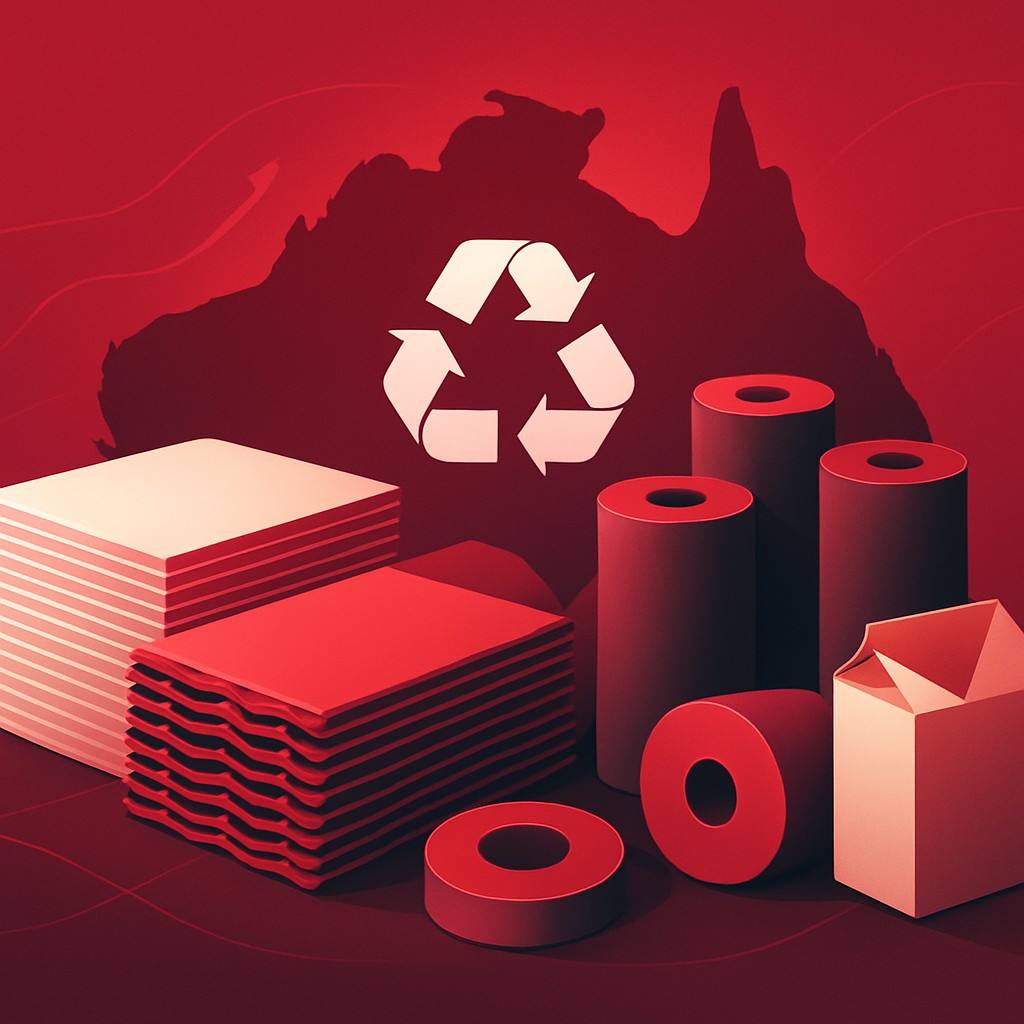
Paper goods manufacturing in Australia has evolved into one of the most sustainability-focused sectors of the economy. Driven by responsible forestry, extensive recycling, and growing demand for plastic alternatives, the industry produces everything from corrugated packaging and tissue products to office papers and specialty grades. Australian manufacturers have embraced the circular economy, using recycled fibre and renewable resources to create products that meet rising environmental expectations.
As businesses and consumers seek to reduce plastic use, paper-based packaging and products are experiencing renewed demand. This shift positions the paper goods sector for sustained relevance and growth, particularly for manufacturers committed to sustainable practices.
The Scope of Paper Goods Manufacturing
The sector is broad and diverse. Corrugated and cardboard packaging supports the booming e-commerce and food industries. Tissue and hygiene products serve households and commercial customers. Office and printing papers remain essential despite digitalisation, while specialty papers serve industrial and niche applications. Each segment requires distinct expertise, yet all benefit from Australia's strong recycling culture and access to sustainable fibre.
Ten Leading Paper Goods Manufacturers
Visy stands as a national leader, combining paper and cardboard manufacturing with one of the largest recycling operations in the country, producing packaging with high recycled content.
Opal is a major producer of packaging and paper products, operating mills and converting facilities that supply industries nationwide.
Orora manufactures fibre-based packaging and works across the packaging value chain, with a strong commitment to sustainability.
ABC Tissue produces tissue and hygiene products under well-known brands, operating modern manufacturing facilities.
Encore Tissue specialises in recycled tissue products, championing the use of recovered fibre.
Australian Paper, operating significant mills, produces office and printing papers with a focus on local manufacturing.
Detmold Group manufactures paper packaging and foodservice products, supplying quick-service restaurants and retailers.
BJ Ball and paper merchants support the industry by distributing diverse paper grades.
Norske Skog produces newsprint and publication papers from Australian operations.
Solaris Paper manufactures and supplies tissue products for consumer and commercial markets.
Recycling and the Circular Economy
Recycling lies at the heart of Australian paper goods manufacturing. The industry recovers and reprocesses vast quantities of paper and cardboard, transforming waste into valuable new products. Companies like Visy and Orora have built integrated operations that collect, recycle, and manufacture, closing the loop and reducing reliance on virgin fibre. This circular model conserves resources, reduces landfill, and lowers the environmental footprint of paper products.
Continued investment in recycling infrastructure and fibre recovery ensures the sector can meet growing demand sustainably. High recycling rates also make Australian paper products attractive to environmentally conscious customers.
Trends Driving Demand
Several powerful trends are boosting the paper goods sector. The shift away from single-use plastics has dramatically increased demand for paper-based packaging and foodservice products. E-commerce growth continues to drive demand for corrugated shipping materials. Heightened hygiene awareness has sustained strong demand for tissue products. Meanwhile, brand owners increasingly seek sustainable packaging to meet their own environmental commitments, favouring recyclable and recycled paper solutions.
Advantages of Local Paper Manufacturers
Sourcing paper goods from Australian manufacturers offers clear benefits. Local production reduces transport emissions and lead times while supporting domestic recycling systems. Manufacturers understand local standards and can ensure compliance with food safety and environmental regulations. The ability to develop custom packaging solutions and respond quickly to demand makes local partners particularly valuable for businesses with specific requirements.
How to Choose a Paper Goods Manufacturer
When selecting a manufacturer, consider product quality, sustainability credentials, and manufacturing capacity. Buyers should assess recycled content, forestry certifications, and the company's environmental commitments. For packaging, design capability and the ability to produce custom solutions are important. Reliability of supply, consistency of quality, and responsive customer support all contribute to a successful long-term partnership.
Conclusion
Australia's paper goods manufacturers exemplify how sustainability and commercial success can go hand in hand. Through extensive recycling, responsible sourcing, and innovation, companies like Visy, Opal, and Orora supply essential products while protecting the environment. As demand for sustainable alternatives to plastic grows, these manufacturers are well positioned to lead. For businesses seeking quality paper products from environmentally responsible partners, Australia's leading manufacturers offer an excellent choice.
