
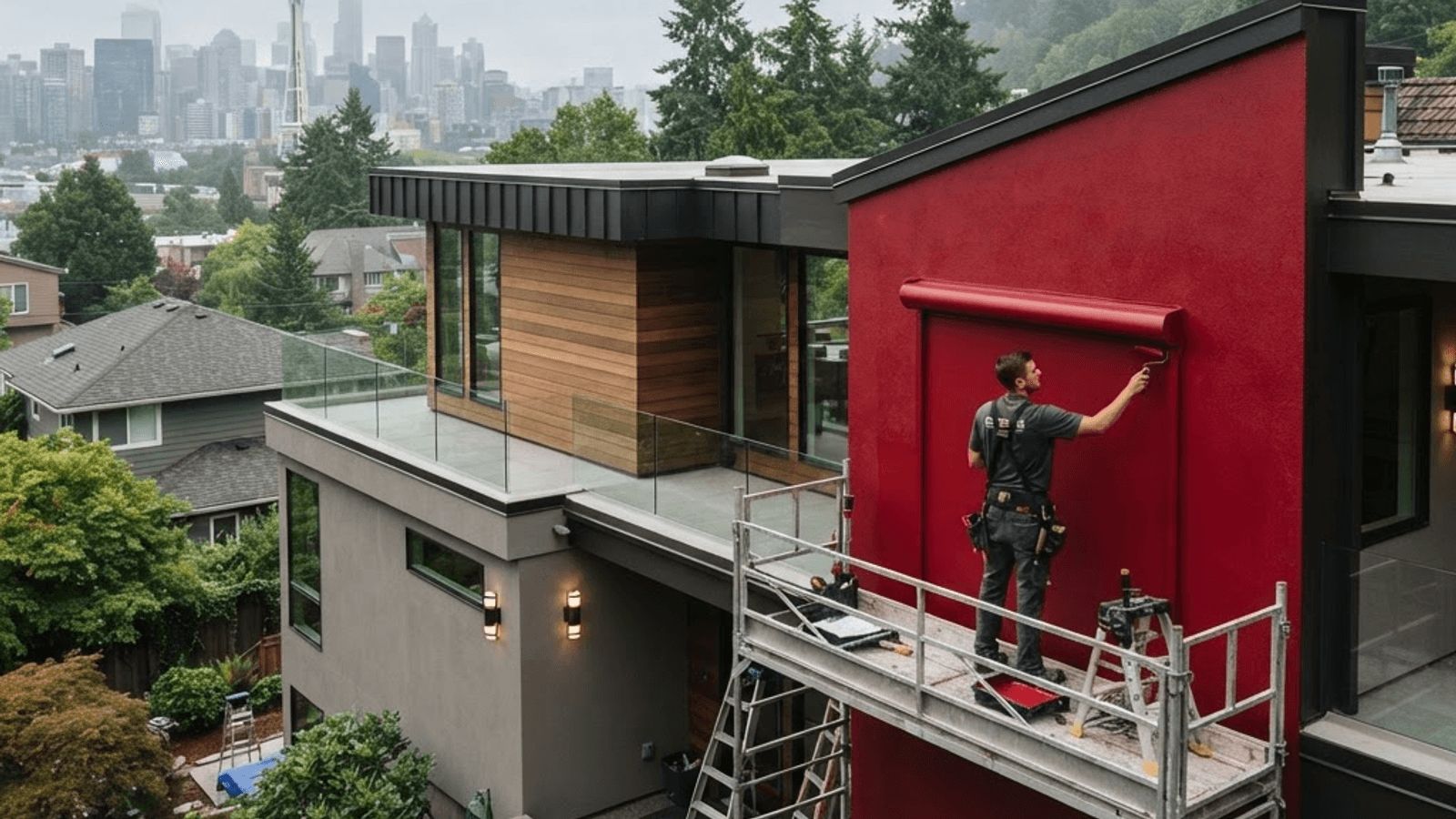
The Role of Painting in Seattle's Climate
Painting is often viewed as a purely cosmetic upgrade, but in Seattle it plays a crucial protective role. The city's persistent rain, high humidity, and temperature swings put constant stress on both interior and exterior surfaces. A professionally applied coating shields wood, stucco, and siding from moisture intrusion, mildew, and premature deterioration. The best painting contractors in Seattle understand that surface preparation and product selection matter just as much as the final color. Their work extends the life of a home while enhancing its curb appeal, making painting one of the most cost-effective improvements a homeowner can make.
Qualities of a Top Painting Contractor
The leading painting companies in the region share several defining traits. They are properly licensed, bonded, and insured, which protects homeowners from liability and ensures accountability. They invest time in thorough preparation, including washing, scraping, sanding, priming, and caulking, because they know a lasting finish depends on the foundation beneath it. Reputable contractors also use premium paints formulated for the Pacific Northwest environment, offering superior adhesion and moisture resistance. Clear communication, tidy job sites, and respect for a client's property further distinguish the best providers from the rest.
Interior and Exterior Specialties
Painting contractors in Seattle typically handle a wide range of projects. Interior work includes walls, ceilings, trim, cabinetry, and accent features, often requiring careful color consultation to achieve the desired mood and cohesion. Exterior painting is more demanding, involving weather-dependent scheduling, extensive prep, and durable coatings designed to withstand rain and UV exposure. Many companies also offer specialty services such as staining decks and fences, refinishing woodwork, and applying protective sealants. Commercial painting is another common offering, catering to offices, retail spaces, and multi-unit properties throughout the metropolitan area.
Trends in the Painting Industry
The painting industry continues to modernize in response to environmental awareness and evolving tastes. Low-VOC and zero-VOC paints have become the standard, improving indoor air quality and reducing environmental impact. Homeowners are increasingly drawn to nature-inspired palettes and moody, sophisticated tones that complement the Pacific Northwest landscape. On the technical side, sprayer technology and advanced primers allow for smoother, more efficient application. Many contractors now provide digital color visualization tools, helping clients preview finishes before committing to a scheme.
How to Evaluate and Hire a Painter
Choosing the right painting contractor requires more than comparing prices. Start by confirming licensing and insurance, then review portfolios and speak with previous clients about their experiences. A detailed written estimate should outline the scope of work, the products to be used, the number of coats, and the preparation steps included. Beware of unusually low bids, which often signal shortcuts in prep or inferior materials. A dependable contractor will offer a workmanship warranty and be transparent about timelines and potential weather delays common to the region.
Long-Term Benefits of Professional Painting
A professionally painted home delivers benefits that extend well beyond aesthetics. Quality exterior coatings protect against costly water damage and rot, while fresh interior paint revitalizes living spaces and boosts overall property value. In Seattle's competitive real estate market, a well-maintained finish signals to prospective buyers that a home has been cared for. By selecting an experienced, reputable painting contractor, homeowners can enjoy a beautiful result that endures the demands of the local climate for years to come.
How We Evaluated Seattle Providers
A useful shortlist should reflect more than advertising visibility. We considered the factors Seattle customers consistently value: relevant experience, appropriate licensing and insurance, transparent estimates, dependable scheduling, thoughtful communication, and a record of standing behind completed work. Local knowledge also carries real weight. Providers familiar with Seattle understand neighborhood housing styles, seasonal weather patterns, municipal requirements, access constraints, and the practical expectations of Pacific Northwest clients. Service breadth was considered alongside specialization, because the best choice is not always the largest operation; it is the business whose capabilities align most closely with the project at hand. Reputation should be assessed across a meaningful body of recent feedback rather than a handful of isolated comments. Homeowners should confirm current credentials and obtain project-specific terms directly, since teams, availability, pricing, and service areas can change.
Questions to Ask Before Booking
Before making a commitment, ask who will perform the work, what preparation is included, how changes are approved, and what warranty or follow-up support applies. Request a written scope that distinguishes labor, materials, optional services, and potential additional charges. For work that may require permits or inspections, clarify who manages those steps and how they affect scheduling. It is also helpful to discuss site protection, cleanup, arrival windows, and communication during the project. Comparing two or three detailed proposals usually reveals more than comparing headline prices alone. The strongest provider will respond with specific, understandable answers and will not pressure you into an immediate decision. A careful selection process helps Seattle homeowners secure better results, fewer surprises, and a service relationship built on clear expectations from the start.
