
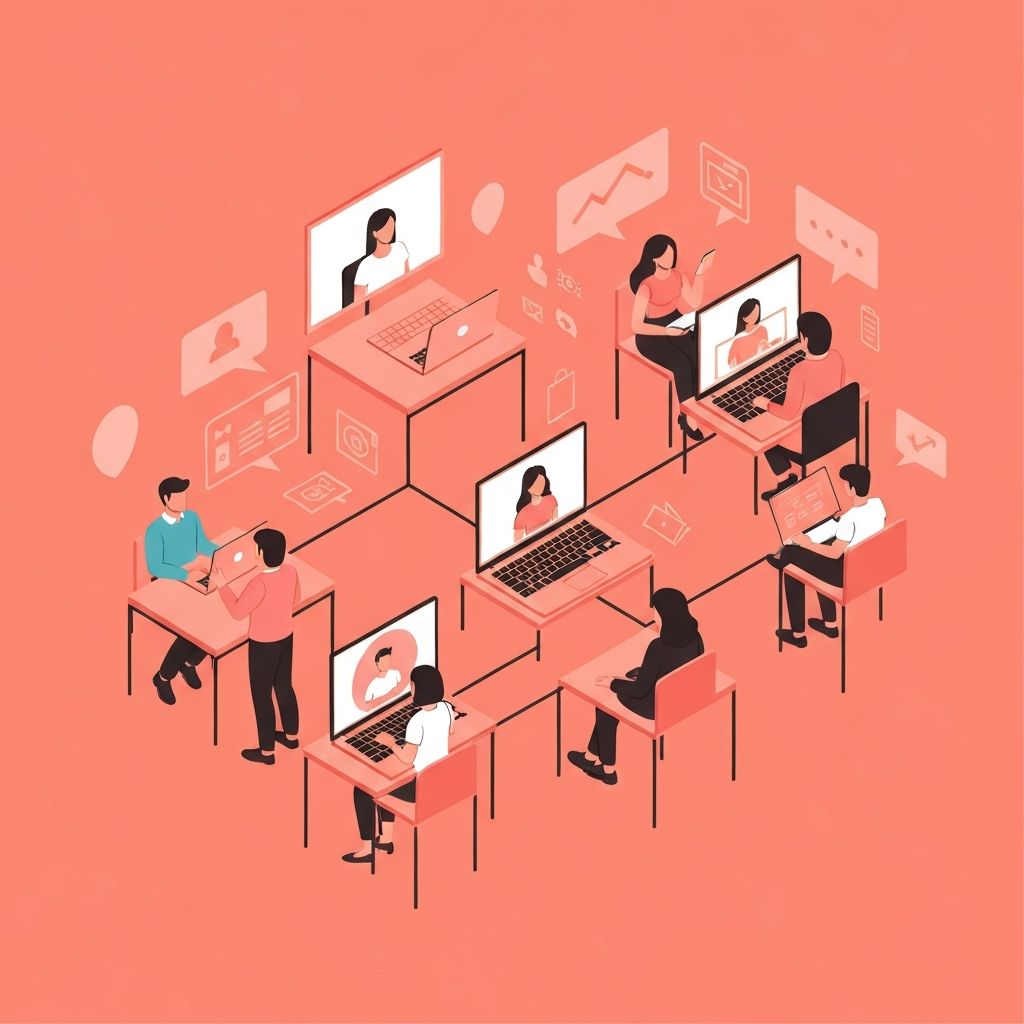
The Digital Transformation of Education
Online learning platforms have revolutionized education, making quality instruction accessible to anyone with an internet connection. These platforms offer everything from short professional development courses to complete degree programs, providing flexibility that traditional education cannot match. The growth of online learning has accelerated dramatically, with millions of learners worldwide gaining skills and credentials through digital platforms.
The best online learning platforms combine quality content with engaging delivery, effective assessment, and meaningful credentials. They leverage technology to create interactive experiences that rival or exceed traditional classroom instruction. Whether you're seeking to advance your career, explore new interests, or earn a degree, online platforms offer pathways to achieve your goals. In this guide, we explore the ten best online learning platforms in the United States.
1. Coursera
Coursera partners with over 200 leading universities and companies to offer courses, certificates, and degree programs across virtually every field. The platform provides access to instruction from institutions including Yale, Stanford, Google, and IBM. Coursera's offerings range from free audit options to professional certificates and fully online bachelor's and master's degrees.
The platform's structured approach includes video lectures, readings, quizzes, and peer-reviewed assignments. Coursera's mobile app allows learning on the go, making education accessible whenever and wherever learners have time. The platform has served over 100 million learners worldwide, democratizing access to quality education.
2. edX
edX was founded by Harvard and MIT to provide high-quality online education from the world's best universities. The platform offers courses from institutions including Berkeley, Columbia, and international universities. edX provides MicroMasters programs, professional certificates, and full online degrees that carry the credentials of prestigious partner institutions.
The platform emphasizes rigorous academics and meaningful credentials. edX courses often follow university semester schedules, creating cohort experiences with peer interaction. The nonprofit organization reinvests in expanding access to education and improving the learning experience.
3. LinkedIn Learning
LinkedIn Learning, formerly Lynda.com, offers professional development courses focused on business, technology, and creative skills. The platform's integration with LinkedIn allows learners to showcase completed courses on their professional profiles. LinkedIn Learning's vast library includes courses taught by industry experts on topics from software development to leadership.
The platform's subscription model provides unlimited access to the entire course library. LinkedIn Learning's recommendation engine suggests relevant courses based on career goals and skill gaps. Many employers provide LinkedIn Learning access as part of employee development programs.
4. Udemy
Udemy operates as a marketplace for online courses, with over 200,000 courses taught by independent instructors. The platform covers topics from programming and data science to music, photography, and personal development. Udemy's affordable pricing and frequent sales make professional education accessible to budget-conscious learners.
The platform's instructor-driven model produces diverse content ranging from introductory overviews to specialized technical training. Udemy courses are self-paced, allowing learners to progress according to their schedules. The platform's review system helps learners identify quality courses among the extensive offerings.
5. Skillshare
Skillshare focuses on creative skills, offering courses in design, illustration, photography, writing, and entrepreneurship. The platform's project-based approach encourages learners to apply skills through hands-on creation. Skillshare's community features allow learners to share projects and receive feedback from peers and instructors.
The platform's subscription model provides unlimited access to thousands of classes. Skillshare attracts creative professionals who teach practical skills drawn from real-world experience. The platform particularly appeals to freelancers, entrepreneurs, and creative professionals seeking to expand their capabilities.
6. Khan Academy
Khan Academy provides free education to anyone, anywhere through its comprehensive library of instructional videos and practice exercises. The platform covers mathematics from arithmetic through calculus, along with science, humanities, test preparation, and more. Khan Academy's adaptive learning technology personalizes instruction to each learner's needs.
The nonprofit organization's mission to provide free, world-class education has reached tens of millions of learners globally. Khan Academy partners with schools and districts to support classroom instruction. The platform particularly excels in mathematics education, where its mastery-based approach helps students build solid foundations.
7. Pluralsight
Pluralsight specializes in technology skills, offering courses in software development, IT operations, data science, cybersecurity, and related fields. The platform's skill assessments help learners identify knowledge gaps and track progress. Pluralsight's courses are taught by industry practitioners with real-world expertise.
The platform serves both individual learners and enterprise clients seeking to upskill technology teams. Pluralsight's learning paths guide learners through structured curricula aligned with job roles and certifications. The platform stays current with rapidly evolving technology, regularly adding courses on emerging tools and practices.
8. MasterClass
MasterClass offers courses taught by celebrities and renowned experts in their fields, from cooking with Gordon Ramsay to writing with Margaret Atwood to basketball with Stephen Curry. The platform's high-production-value videos create engaging, entertaining learning experiences. MasterClass combines instruction with inspiration, offering insight into the minds and methods of exceptional practitioners.
The platform's subscription provides access to all classes, encouraging exploration across diverse interests. While MasterClass courses may lack the technical depth of specialized platforms, they offer unique perspectives from world-class performers, creators, and thinkers.
9. Udacity
Udacity focuses on technology and business skills, offering nanodegree programs developed in partnership with leading companies including Google, Amazon, and Mercedes-Benz. The platform's project-based curricula emphasize practical skills employers demand. Udacity's career services help graduates connect with employers seeking their skills.
Nanodegree programs cover fields including programming, data science, artificial intelligence, cloud computing, and digital marketing. Udacity provides personalized feedback through code reviews and mentor support. The platform particularly appeals to career changers seeking credentials in high-demand technology fields.
10. Codecademy
Codecademy specializes in teaching programming and technical skills through interactive, hands-on lessons. The platform covers programming languages, web development, data science, and computer science fundamentals. Codecademy's browser-based coding environment allows learners to practice immediately without software installation.
The platform offers free introductory courses alongside its Pro subscription for full access. Codecademy's structured paths guide learners from beginner to job-ready in specific technical careers. The platform has taught coding to millions of learners, making technical skills accessible to anyone willing to learn.
The Future of Online Learning
Online learning continues to evolve with advances in technology and pedagogy. Virtual reality, artificial intelligence, and adaptive learning systems promise more immersive, personalized experiences. Credentials from online platforms gain increasing recognition from employers seeking skilled workers.
The flexibility and accessibility of online learning make education available to learners who cannot attend traditional institutions due to work, family, or geographic constraints. As platforms improve and expand, online education will play an increasingly important role in workforce development and lifelong learning.
