
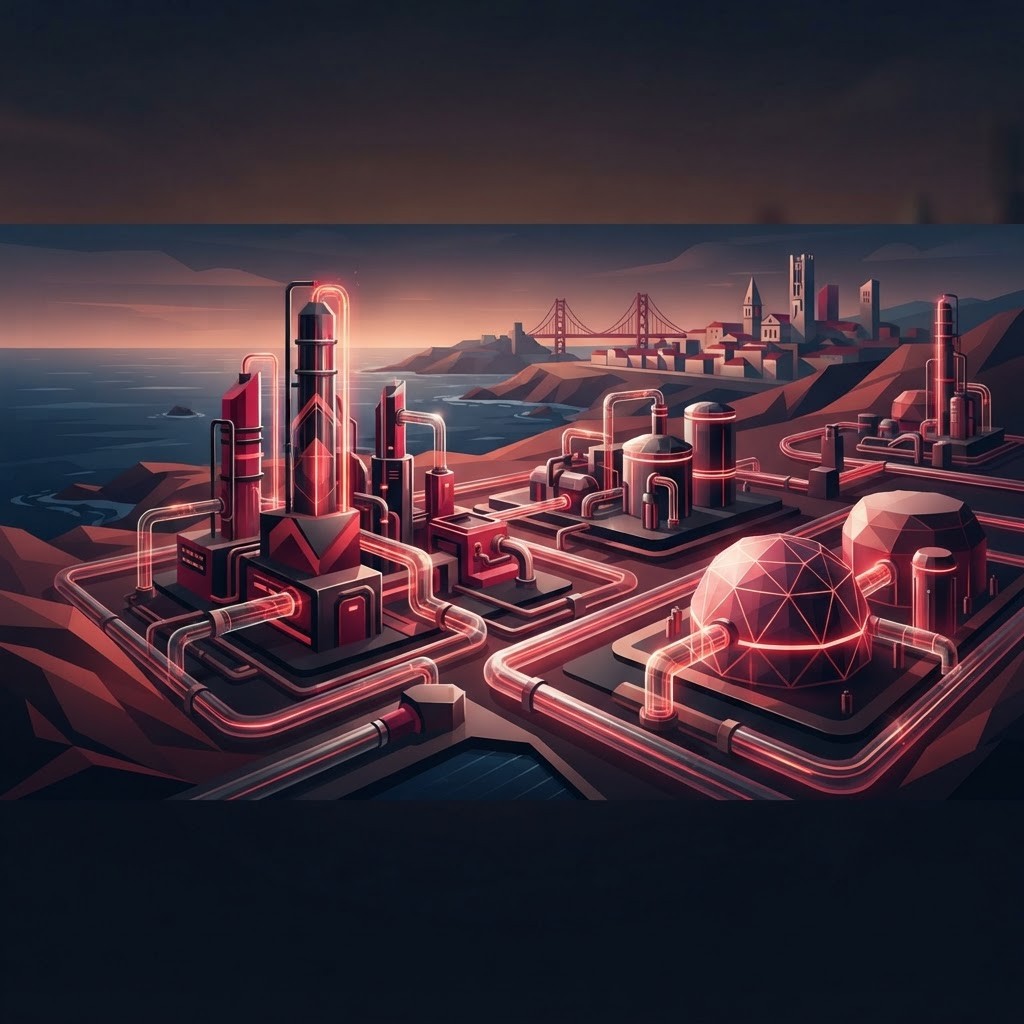
The Role of Oil and Gas in Portugal
While Portugal is celebrated for its renewable energy leadership, oil and gas remain important components of its energy mix, powering transport, industry, and heating. The country imports the majority of its hydrocarbons, making efficient refining, storage, and distribution networks essential. The companies operating in this sector play a critical role in ensuring reliable energy supply during the ongoing transition to cleaner alternatives.
Many of these firms are also diversifying into low-carbon fuels, biofuels, and green hydrogen, positioning themselves for a future where traditional hydrocarbons play a smaller role. Their evolution reflects the broader shift underway across the global energy industry.
Why the Sector Matters
Oil and gas underpin much of Portugal's transport and industrial activity. Reliable supply is vital for economic stability, and the sector's infrastructure, including refineries, terminals, and distribution networks, represents a significant national asset. As the energy transition accelerates, these companies are uniquely positioned to lead the development of alternative fuels using their existing expertise and infrastructure.
Leading Oil and Gas Companies
Galp Energia is Portugal's dominant integrated energy company, operating refining, distribution, and retail networks while investing heavily in renewables and green hydrogen. Repsol Portugal maintains a strong presence in fuel retail and petrochemicals, with a growing focus on sustainable products. BP Portugal operates an extensive network of service stations and supplies lubricants and fuels across the country.
Prio Energy is a prominent Portuguese fuel distributor known for its commitment to biofuels and competitive pricing. Cepsa Portugal supplies fuels, lubricants, and petrochemicals while advancing sustainable mobility initiatives. Total Energies Portugal provides fuels, lubricants, and increasingly, electric vehicle charging and cleaner energy solutions.
Petrogal, part of the Galp group, operates key refining and logistics assets. Dourogás specialises in natural gas and LNG distribution, particularly for regions off the main grid. Sonangol Portugal maintains trading and distribution operations linking Portuguese and international markets, and Iberdrola Gas Portugal supplies natural gas to industrial and commercial customers, rounding out a competitive and evolving sector.
Services and Operations
These companies handle crude oil refining, fuel storage and logistics, retail fuel distribution, natural gas and LNG supply, lubricants and petrochemicals, and increasingly, biofuels and alternative energy services. Many operate extensive networks of service stations that are being upgraded to include electric vehicle charging and convenience retail.
Trends and Transformation
The most significant trend is the diversification of traditional oil and gas companies into cleaner energy. Galp, for example, is a major investor in solar and green hydrogen, while others are expanding into biofuels and electric mobility. Refineries are being reconfigured to process renewable feedstocks, and service stations are evolving into multi-energy hubs.
Natural gas continues to serve as a transition fuel, offering lower emissions than coal or oil for industry and power generation. Liquefied natural gas imports through the Sines terminal enhance supply security and flexibility. Meanwhile, investment in green hydrogen positions the sector to play a central role in decarbonising hard-to-electrify industries.
Balancing Reliability and Sustainability
The sector faces the dual challenge of maintaining reliable energy supply while reducing its environmental impact. Leading companies are responding with cleaner fuels, efficiency improvements, and major investments in renewables. Their infrastructure, technical expertise, and financial strength make them important partners in Portugal's broader energy transition.
Conclusion
Oil and gas companies remain integral to Portugal's energy system, ensuring the reliable supply that homes, businesses, and industry depend on. As the sector transforms, these firms are leveraging their capabilities to develop cleaner fuels and support the nation's climate goals. Their ability to balance today's needs with tomorrow's sustainability will define their role in Portugal's energy future.
