
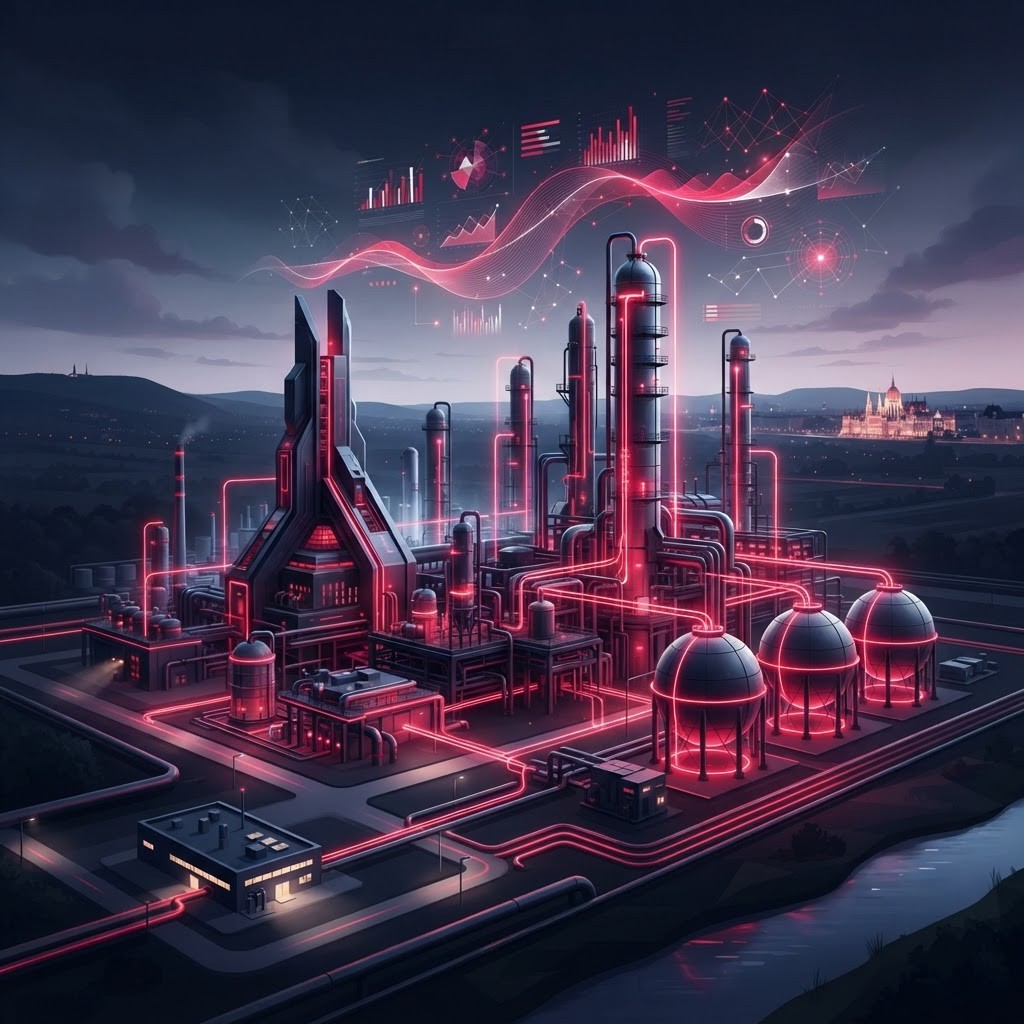
The Strategic Importance of Oil and Gas in Hungary
Despite the accelerating shift toward renewables, oil and gas continue to underpin Hungary's economy, transportation, heating, and industrial activity. The sector is a major employer, a significant contributor to national revenue, and a cornerstone of energy security. Companies operating in this space manage complex operations spanning exploration, production, refining, storage, distribution, and petrochemical manufacturing, requiring substantial technical expertise and capital investment.
Hungary's central location within Europe makes it an important transit and storage hub for oil and natural gas. The country's infrastructure of pipelines, refineries, and storage facilities connects regional supply chains, reinforcing the strategic weight of its leading energy firms. As Europe navigates evolving supply dynamics, these companies play an essential role in maintaining reliable and affordable energy.
Qualities of a Leading Oil and Gas Company
The best oil and gas companies combine operational excellence with strong safety cultures, environmental responsibility, and financial resilience. Leading firms invest heavily in refining efficiency, emissions reduction, and diversification into cleaner fuels and petrochemicals. Reliability of supply, transparent governance, and a commitment to modernizing operations are hallmarks of the sector's most respected players.
The Top 10 Oil and Gas Companies
MOL Group is the undisputed leader of Hungary's oil and gas industry and one of Central Europe's largest integrated energy companies. With operations spanning exploration, refining, retail fuel networks, and a growing petrochemicals division, MOL is a global player headquartered in Budapest and a symbol of Hungarian industrial strength.
MOL Petrochemicals extends the group's reach into advanced chemical products, transforming hydrocarbons into plastics and specialty materials that supply manufacturers across Europe and beyond.
MVM CEEnergy plays a central role in natural gas trading and supply, ensuring reliable delivery of gas to households, businesses, and industry throughout Hungary.
Shell Hungary operates an extensive retail fuel and lubricants network while providing high-quality products and services to consumers and commercial clients across the country.
MET Group is an integrated energy company with strong roots in Hungary, active in natural gas trading, supply, and energy infrastructure across the region.
OMV Hungária brings the expertise of a major regional energy group, delivering fuels, lubricants, and retail services backed by international standards of quality and safety.
TIFON and regional distributors support the downstream segment with efficient fuel distribution and retail operations that keep transportation and logistics moving.
Rotary Fúrási specializes in drilling and oilfield services, providing the technical capabilities essential to exploration and production activities.
Geoinform offers geophysical and reservoir services, applying advanced technology to assess and optimize hydrocarbon resources.
FGSZ Natural Gas Transmission completes the list as the operator of Hungary's high-pressure gas transmission network, a critical piece of infrastructure ensuring the secure flow of natural gas throughout the country and across borders.
Industry Trends and Transition
The oil and gas sector is undergoing profound change as it adapts to climate imperatives and shifting energy markets. Leading Hungarian companies are investing in cleaner refining processes, low-carbon fuels, hydrogen, and recycling of plastics through advanced petrochemical technologies. Diversification into these areas allows established firms to remain relevant and competitive while contributing to broader decarbonization goals.
Energy security has also risen to the top of the agenda. Companies are strengthening storage capacity, diversifying supply sources, and enhancing infrastructure resilience to safeguard against disruptions. This focus on reliability is especially important for an economy that continues to depend on hydrocarbons for heating, mobility, and industry.
Environmental Responsibility
Modern oil and gas companies recognize the importance of minimizing their environmental impact. The most forward-looking firms are reducing emissions, improving energy efficiency, investing in carbon capture research, and expanding into renewable and circular-economy initiatives. This evolution reflects a pragmatic understanding that long-term success depends on balancing energy needs with environmental stewardship.
Choosing a Trusted Partner
For businesses relying on fuels, gas, or petrochemical products, choosing a reliable supplier is essential. Key considerations include supply security, product quality, safety standards, and the company's commitment to responsible operations. The leading firms profiled here offer the scale, expertise, and dependability that industrial and commercial clients require.
Conclusion
Hungary's oil and gas companies remain vital to the nation's economy and energy security even as the broader energy landscape evolves. From the global reach of MOL Group to the specialized services of drilling and transmission operators, these ten organizations exemplify the technical expertise and strategic importance of the sector. As they navigate the transition toward cleaner energy, they continue to power Hungary's homes, industries, and future.
