
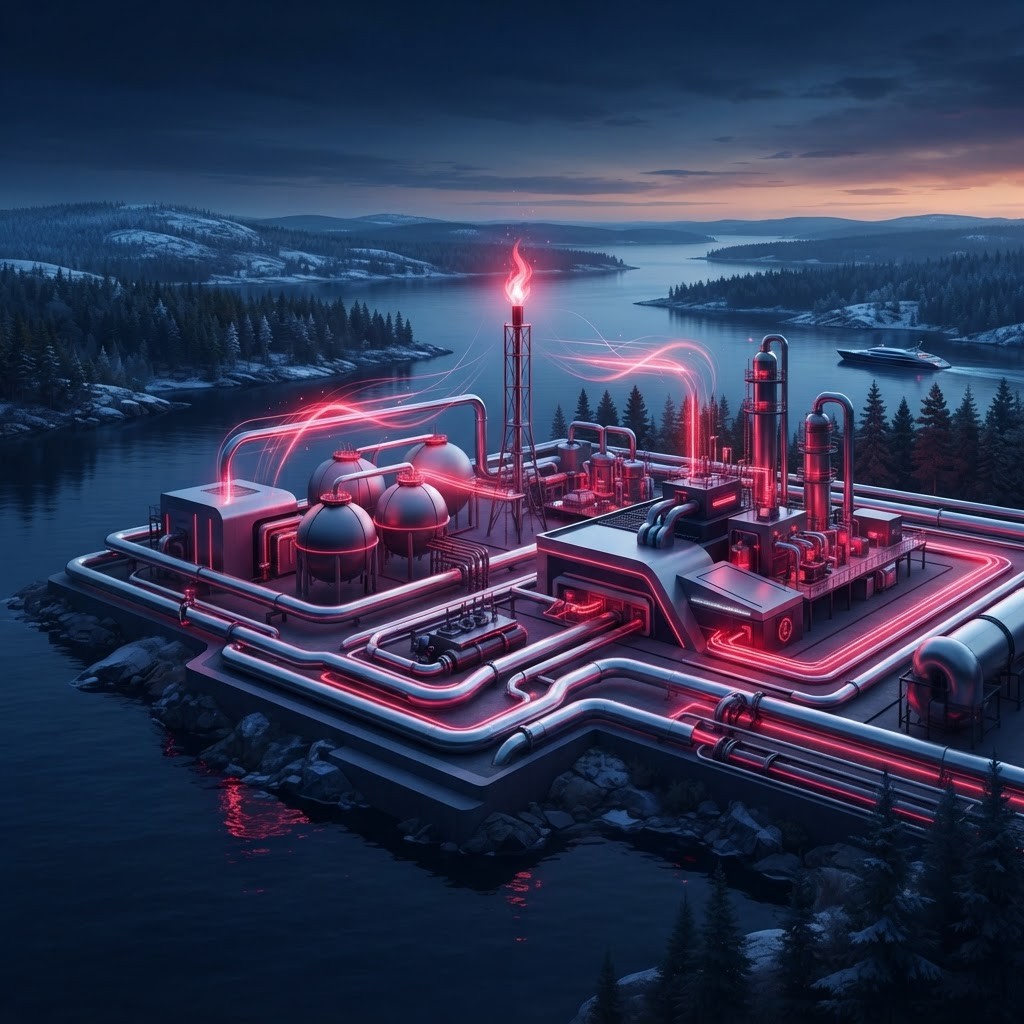
The Finnish Oil and Gas Sector
Finland occupies an unusual position in the global oil and gas industry. The country has no significant domestic reserves of crude oil or natural gas, yet it hosts some of the most advanced refining and fuel technology companies in Europe. This paradox has shaped a sector defined less by extraction and more by innovation, processing, distribution, and the transition toward renewable alternatives.
Historically, Finnish energy companies imported crude oil and refined it into high-quality products for domestic use and export. Over time, this expertise evolved into a leadership position in cleaner fuels, with several firms pioneering renewable diesel and other advanced products. Today, the industry represents a fascinating intersection of conventional energy reliability and forward-looking sustainability.
Key Characteristics of Top Companies
The leading oil and gas companies in Finland distinguish themselves through technological sophistication, operational safety, and a clear commitment to reducing environmental impact. Refining efficiency, supply chain reliability, and investment in research and development are hallmarks of the sector's best performers.
Equally important is adaptability. As global energy markets shift and regulations tighten, the companies that thrive are those willing to reinvent their business models. Many Finnish firms have embraced this challenge, diversifying into biofuels, hydrogen, and circular economy solutions while maintaining the dependable fuel supply that industries and consumers rely on.
The Leading Oil and Gas Companies
Neste is the undisputed flagship of the Finnish energy sector and a global leader in renewable diesel and sustainable aviation fuel. Having transformed from a traditional refiner into a renewables pioneer, Neste is frequently cited as a model for how legacy energy companies can reinvent themselves for a sustainable era.
Gasum specializes in natural gas and biogas, playing a central role in Finland's gas distribution and increasingly in cleaner transport fuels. Its focus on liquefied natural gas and renewable biogas positions it at the heart of the country's energy transition.
North European Oil Trade (NEOT) is a major fuel procurement and logistics company, ensuring reliable supply across the Nordic and Baltic regions. Its scale and efficiency make it a critical player in the regional market.
Teboil operates an extensive network of service stations and lubricant products, serving both consumers and commercial customers with a strong reputation for quality and reliability.
St1 combines fuel retailing with a bold commitment to renewable energy, including advanced biofuels and geothermal projects. The company's willingness to invest in future technologies sets it apart.
ABC, a widely recognized retail fuel and service brand, provides convenient nationwide coverage and is known for combining fuel services with retail and hospitality offerings.
Auto-Öljy focuses on lubricants and specialized petroleum products, serving industrial and automotive customers with technical expertise and dependable supply.
Greenergy Finland emphasizes sustainable fuel solutions and efficient distribution, reflecting the broader industry shift toward lower-carbon products.
Oiltanking Finland provides critical storage and terminal infrastructure, enabling the safe and efficient handling of fuels throughout the supply chain.
Woikoski, while known primarily for industrial gases, contributes meaningfully to the broader energy and gas ecosystem with a long heritage of Finnish industrial expertise.
Industry Trends and Transformation
The Finnish oil and gas industry is undergoing profound change. The most significant trend is the accelerating shift toward renewable and low-carbon fuels. Companies that once focused exclusively on fossil products are now investing heavily in renewable diesel, sustainable aviation fuel, biogas, and hydrogen. This transformation is driven by both regulatory pressure and genuine commercial opportunity, as demand for cleaner fuels grows across Europe.
Circular economy principles are also gaining traction. Leading firms increasingly use waste and residue materials as feedstock for fuel production, reducing reliance on virgin resources and lowering overall emissions. This approach aligns with Finland's broader sustainability ambitions and creates new value streams from previously discarded materials.
Digitalization is enhancing efficiency across the sector. Advanced analytics optimize refining processes, predictive maintenance reduces downtime, and smart logistics improve distribution. These technologies help companies remain competitive while meeting increasingly stringent environmental standards.
The Role of Energy Security
Despite the push toward renewables, conventional fuels remain essential for many applications, from heavy transport to industrial processes. Finnish oil and gas companies play a vital role in ensuring energy security, maintaining reliable supply even during periods of geopolitical uncertainty. Their extensive storage, refining, and distribution networks provide a crucial buffer against supply disruptions.
This balance between reliability and transformation defines the modern Finnish energy company. Rather than abandoning traditional operations overnight, the sector is managing a careful transition that maintains stability while steadily reducing carbon intensity.
Conclusion
Finland's oil and gas sector demonstrates that even countries without significant domestic reserves can become global leaders through innovation and expertise. The companies profiled here are not merely fuel suppliers; they are shaping the future of energy through renewable fuels, circular solutions, and advanced technology. For businesses and consumers alike, they represent a sector that is evolving thoughtfully to meet both today's needs and tomorrow's challenges.
