
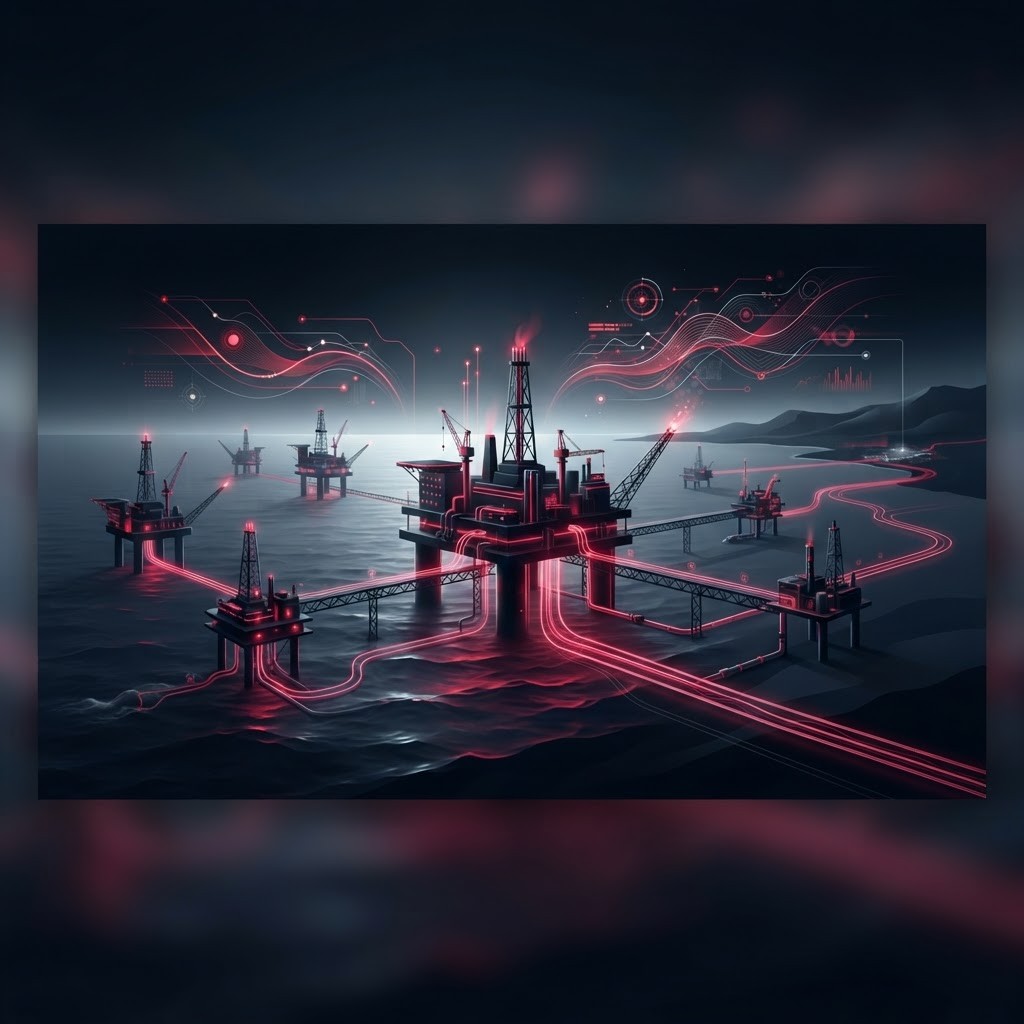
Denmark's Oil and Gas Heritage
Although Denmark is celebrated for its leadership in renewable energy, oil and gas have played a crucial role in the nation's economic and energy history. The discovery of hydrocarbons in the Danish sector of the North Sea decades ago transformed the country into a significant producer, providing energy security, government revenue, and thousands of skilled jobs.
Today, the oil and gas sector operates within a rapidly changing context. Denmark has committed to ending new exploration licences and phasing out production in the long term, making it one of the first major producers to set an end date for extraction. Yet in the transition period, the industry remains vital, and companies are increasingly integrating sustainability, carbon capture, and diversification into their strategies.
The North Sea and Its Importance
The Danish North Sea has long been the heart of the country's oil and gas activity. Its fields have produced substantial volumes of oil and natural gas, supplying domestic needs and supporting exports. The infrastructure built over decades, including platforms, pipelines, and processing facilities, represents a significant national asset.
As production matures, companies are focusing on maximising the efficiency of existing fields, extending the life of infrastructure, and exploring how these assets can support the energy transition, including through carbon storage.
Leading Oil and Gas Companies
TotalEnergies Denmark is the leading operator in the Danish North Sea, managing major production assets and playing a central role in the country's oil and gas output. The company is also investing in the energy transition and carbon management.
Noreco (Norwegian Energy Company) holds significant interests in Danish offshore production, having become one of the largest stakeholders in the Danish Underground Consortium's assets.
Nordsøfonden, the state-owned oil and gas fund, participates in exploration and production activities on behalf of the Danish state, ensuring public benefit from hydrocarbon resources.
Semco Maritime provides engineering, construction, and maintenance services to the oil and gas industry, supporting offshore platforms and energy infrastructure.
Welltec is a Danish technology company specialising in advanced robotic well intervention solutions, serving oil and gas operators worldwide with innovative downhole technology.
Maersk Drilling, now part of a larger offshore drilling group, has deep Danish roots and provides drilling services to energy companies around the globe.
Ramboll, a leading engineering consultancy, supports the oil and gas sector with design, environmental, and decommissioning expertise, helping operators manage assets responsibly.
Bureau Veritas Denmark offers inspection, certification, and compliance services essential to safe and reliable oil and gas operations.
NKT, while focused on cables and energy infrastructure, supports offshore energy projects that connect platforms and facilities to the grid.
DESMI provides pumping and fluid handling technology used across the oil and gas sector, including environmental and spill response solutions.
Services Across the Value Chain
The Danish oil and gas industry encompasses a broad value chain. Upstream activities include exploration, drilling, and production, primarily focused on the North Sea. A robust services sector supports these operations, providing engineering, maintenance, drilling technology, and specialised equipment.
Increasingly, companies are also engaged in decommissioning, the careful and environmentally responsible dismantling of ageing infrastructure. This growing field requires significant expertise and represents an important part of the industry's future in Denmark.
Navigating the Energy Transition
The Danish oil and gas sector is unique in its explicit commitment to a managed decline in production. This creates both challenges and opportunities. Companies are investing in carbon capture and storage, using depleted North Sea reservoirs to permanently store carbon dioxide, a technology in which Denmark aims to become a European leader.
Many industry players are also diversifying, applying their offshore expertise to wind energy, hydrogen, and other renewable projects. This transfer of skills and infrastructure is helping to ensure that the workforce and assets developed over decades continue to contribute value in a low-carbon economy.
Trends Shaping the Sector
Carbon capture and storage is the defining trend for the Danish oil and gas industry. The North Sea's geology makes it an ideal location for storing captured carbon, and projects are already underway to transform former production sites into storage hubs.
Digitalisation, automation, and advanced well technology are improving efficiency and safety, while environmental standards continue to rise. The integration of oil and gas expertise with offshore wind and hydrogen projects illustrates how the sector is evolving rather than simply winding down.
Conclusion
Denmark's oil and gas companies occupy a distinctive position, balancing continued production with a clear commitment to the energy transition. Through innovation, carbon storage, and diversification, they are redefining their role in a sustainable future. As Denmark moves toward its long-term climate goals, these companies demonstrate how a mature energy sector can adapt, contribute, and help lead the way to cleaner energy.
