
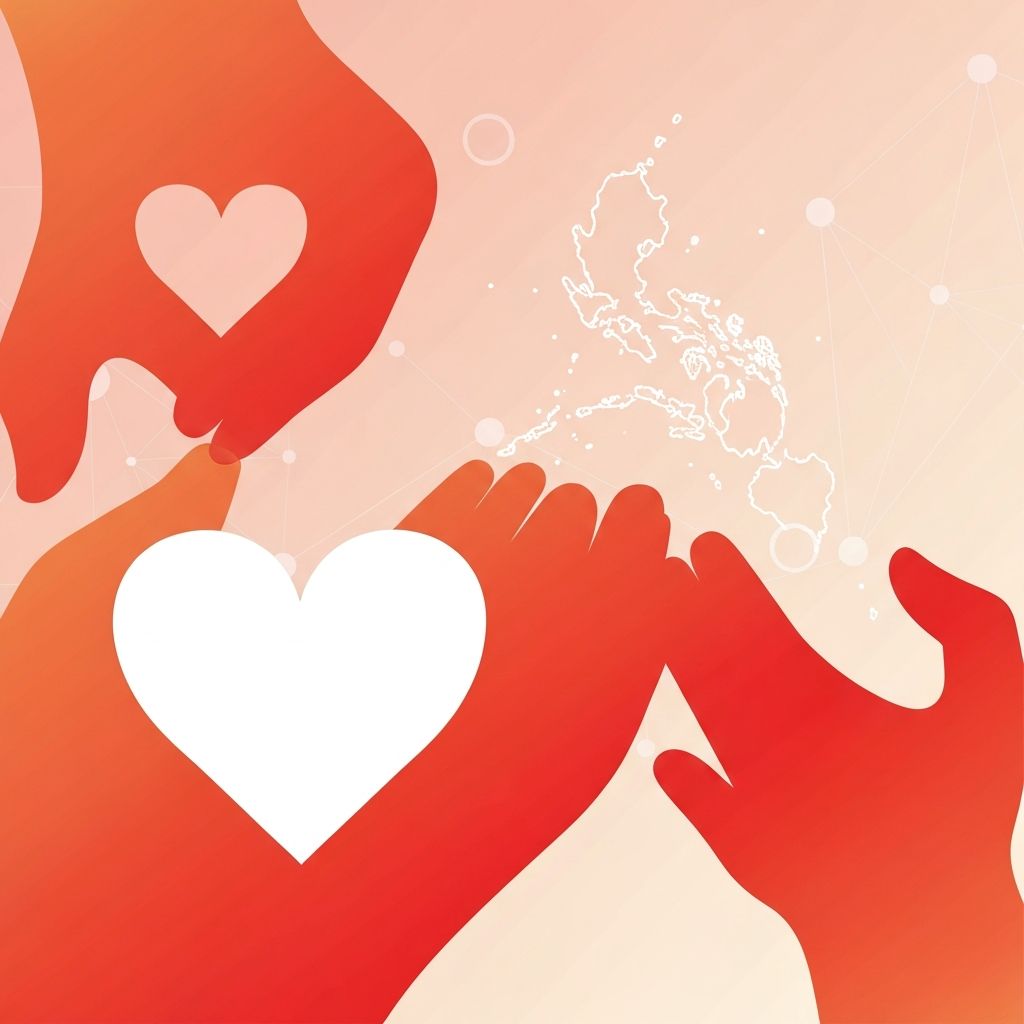
The Role of Nonprofits in the Philippines
The Philippines is home to a vibrant civil society sector, where nonprofit organizations play a critical role in addressing poverty, disaster response, education, healthcare, environmental protection, and social justice. With a country prone to typhoons, earthquakes, and economic inequality, the work of nonprofits is essential in complementing government efforts and reaching marginalized communities. From large international organizations to grassroots groups, Filipino nonprofits embody the spirit of bayanihan — the cultural value of communal unity and cooperation.
What Makes a Great Nonprofit
The best nonprofits are characterized by transparency, accountability, measurable impact, and deep community engagement. They go beyond charity, focusing on long-term solutions, capacity building, and empowerment. The following organizations have established strong reputations for making a tangible difference in the lives of Filipinos.
1. Gawad Kalinga (GK)
Gawad Kalinga, which means "to give care," is one of the most beloved nonprofits in the Philippines. It is known for building entire communities for the poor, complete with homes, schools, and livelihood programs. GK's holistic model focuses not only on housing but also on values formation, environmental stewardship, and economic empowerment.
2. Philippine Red Cross
The Philippine Red Cross is a leading humanitarian organization providing disaster response, blood services, health programs, and youth volunteer initiatives. During typhoons, earthquakes, and other emergencies, the Red Cross is often among the first responders, delivering relief and medical assistance to affected communities.
3. Caritas Philippines (NASSA)
Caritas Philippines, also known as the National Secretariat for Social Action (NASSA), is the social development arm of the Catholic Bishops' Conference of the Philippines. It works on poverty alleviation, disaster risk reduction, peace-building, and migration support, reaching far into rural and underserved communities.
4. World Vision Philippines
World Vision is a Christian humanitarian organization focused on child welfare, education, and community development. Through child sponsorship and integrated development projects, World Vision has improved the lives of countless Filipino children and families, particularly in remote and disaster-prone areas.
5. Ramon Magsaysay Award Foundation
Best known for the Ramon Magsaysay Award — often called Asia's Nobel Prize — this foundation honors individuals and organizations across Asia who exemplify selfless service. The foundation also runs leadership and education programs that inspire ethical public service.
6. Haribon Foundation
Haribon is the leading environmental nonprofit in the Philippines, dedicated to biodiversity conservation. From protecting endangered species like the Philippine eagle to advocating for marine protected areas and reforestation, Haribon has been a pioneering voice for nature-based solutions for over five decades.
7. CARD MRI (CARD Mutually Reinforcing Institutions)
CARD MRI is one of the largest microfinance and social development networks in the Philippines, serving millions of low-income families. Through microloans, insurance, education, and livelihood programs, CARD has empowered women and entrepreneurs in countless rural communities.
8. Bantay Bata 163
An initiative of the ABS-CBN Lingkod Kapamilya Foundation, Bantay Bata 163 is dedicated to child welfare and protection. It runs a national helpline, rescue operations, medical assistance, and educational programs for vulnerable children. Its tireless work has rescued and supported thousands of children in crisis.
9. Tahanang Walang Hagdanan (House with No Steps)
This nonprofit empowers persons with disabilities (PWDs) through skills training, employment, and rehabilitation programs. Located in Cainta, Rizal, Tahanang Walang Hagdanan has transformed countless lives by providing dignified livelihoods and a sense of community for PWDs.
10. Save the Children Philippines
Save the Children focuses on child rights, education, health, nutrition, and protection in emergencies. The organization works with local partners and government agencies to ensure that every Filipino child has the chance to learn, grow, and thrive.
Trends in Philippine Nonprofit Work
The Philippine nonprofit sector has evolved significantly. Many organizations now embrace digital fundraising, social enterprise models, and data-driven impact measurement. Climate change, mental health, gender equality, and digital inclusion are emerging focus areas. Partnerships between nonprofits, government agencies, and the private sector are also growing, leading to more comprehensive and sustainable solutions.
How to Support Philippine Nonprofits
There are many ways to support these organizations. Filipinos and global supporters can donate financially, volunteer time and skills, participate in fundraising events, or simply spread awareness. Workplaces can also adopt corporate social responsibility programs that channel resources and employee energy toward causes that matter.
Conclusion
The top nonprofits in the Philippines are powerful engines of compassion, change, and resilience. They reach where others cannot, respond when crises strike, and uplift the dignity of every Filipino they serve. By supporting these organizations, individuals and businesses contribute to a stronger, more inclusive, and more hopeful Philippines. In a country defined by both challenges and remarkable spirit, these nonprofits prove that meaningful change is always within reach.
