
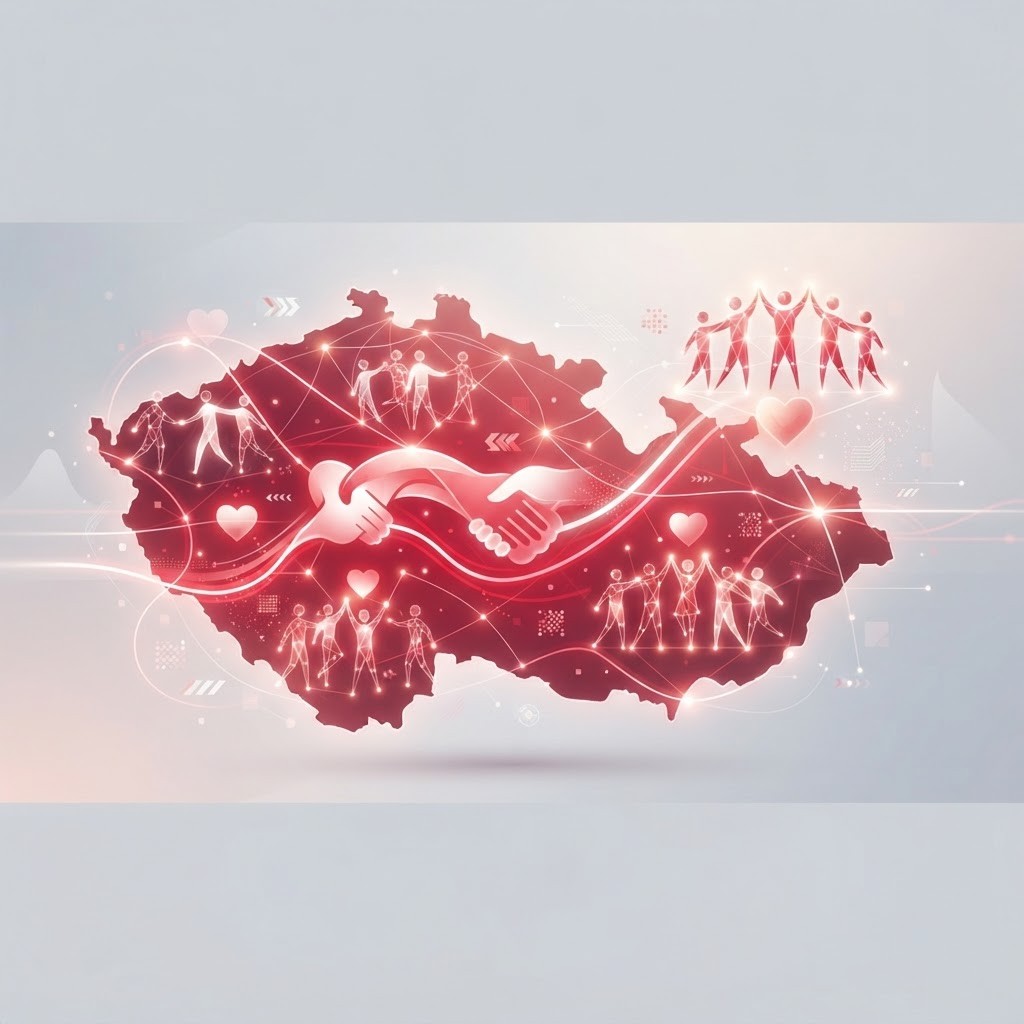
The Role of Nonprofits in Czech Society
Nonprofit organizations occupy an essential place in Czech society, addressing needs that neither government nor the private sector fully meet. Since the country's transition to democracy, civil society has flourished, giving rise to a vibrant sector of charities, foundations, and associations. These organizations tackle poverty, support vulnerable groups, protect the environment, defend human rights, and preserve cultural heritage.
Czech nonprofits operate both domestically and internationally. Many respond to local social challenges such as homelessness, disability support, and child welfare, while others deliver humanitarian aid and development assistance abroad. Their work is sustained by public donations, grants, corporate partnerships, and dedicated volunteers.
Areas of Nonprofit Impact
The Czech nonprofit landscape spans a wide range of causes. Humanitarian and development organizations provide relief in crisis zones and support communities in need. Social service charities assist elderly people, families, and those facing hardship. Environmental groups campaign for conservation and sustainability. Human rights and civic organizations promote transparency, democracy, and equality. Cultural and educational nonprofits enrich community life and preserve heritage.
Effective nonprofits combine clear mission focus with sound governance, transparent finances, and measurable impact. Building public trust is essential, as donors and partners increasingly expect accountability and demonstrable results. Strong leadership and volunteer engagement amplify their reach.
Ten Notable Nonprofit Organizations
People in Need is one of Central Europe's largest nonprofits, delivering humanitarian aid, development programs, and social work both in Czechia and internationally. ADRA Czech Republic provides disaster relief and community development at home and abroad. Charita Česká republika operates an extensive network of social and health services nationwide.
Diakonie ČCE delivers social care, support for people with disabilities, and community services. Nadace VIA strengthens communities and philanthropy through grant-making and civic engagement. Nadační fond Českého rozhlasu, through its Světluška project, supports visually impaired people. Amnesty International Czech Republic advocates for human rights. Greenpeace Czech Republic campaigns on environmental issues. Nadace Terezy Maxové dětem supports children in need, while Liga vozíčkářů assists people with physical disabilities.
Trends in the Nonprofit Sector
Transparency and accountability have become central to nonprofit credibility. Donors increasingly expect clear reporting on how funds are used and what outcomes are achieved. Organizations that communicate impact effectively and maintain high governance standards build stronger, more durable support.
Digital fundraising and online engagement are transforming how nonprofits connect with the public. Social media campaigns, online giving platforms, and storytelling enable organizations to reach wider audiences and mobilize support quickly, especially during emergencies. Corporate social responsibility partnerships and volunteer programs also provide valuable resources and skills.
The Growth of Czech Civil Society
The nonprofit sector in the Czech Republic has expanded remarkably since the early 1990s, when the return of democracy unleashed a wave of civic energy. What began as a modest number of grassroots initiatives has matured into a diverse and professional sector encompassing thousands of registered organizations. This growth reflects both rising public awareness of social and environmental issues and an increasing willingness among Czechs to donate time and money to causes they believe in.
Professionalization has been a hallmark of this evolution. Leading organizations now employ skilled staff, adopt sound financial management, and measure their impact rigorously. At the same time, the sector retains its grassroots character, with countless smaller associations and volunteer groups addressing local needs. This blend of professional scale and community engagement gives Czech civil society both reach and authenticity.
Funding Models and Sustainability
Financial sustainability is a perennial challenge for nonprofits, and Czech organizations draw on a mix of income sources to remain resilient. Individual donations, corporate partnerships, foundation grants, EU funding, and public subsidies each play a role. Diversifying income reduces dependence on any single source and helps organizations weather economic downturns or shifts in donor priorities.
Many organizations also develop social enterprise activities, generating income through services or products that align with their mission. This entrepreneurial approach provides more stable funding while advancing their goals, such as employing disadvantaged people or promoting sustainable products. Transparency in how funds are raised and spent remains essential to maintaining the public trust on which the entire sector depends.
Supporting the Sector
Individuals and businesses wishing to support Czech nonprofits can contribute through donations, volunteering, or partnerships. Choosing reputable organizations with transparent operations and a clear mission ensures that contributions create genuine impact. Regular giving and long-term engagement help nonprofits plan and sustain their programs.
Czech nonprofits are indispensable pillars of a healthy, compassionate society. Through their dedication to humanitarian, social, environmental, and cultural causes, they strengthen communities and extend help to those who need it most, at home and around the world.
As societal challenges grow more complex, the importance of a strong, well-resourced nonprofit sector only increases. These organizations often reach places and people that public institutions cannot, responding with agility, compassion, and local knowledge. By supporting reputable Czech nonprofits, whether through giving, volunteering, or partnership, citizens and businesses invest in a more resilient, inclusive, and caring society, ensuring that the spirit of solidarity remains a defining feature of Czech life.
