
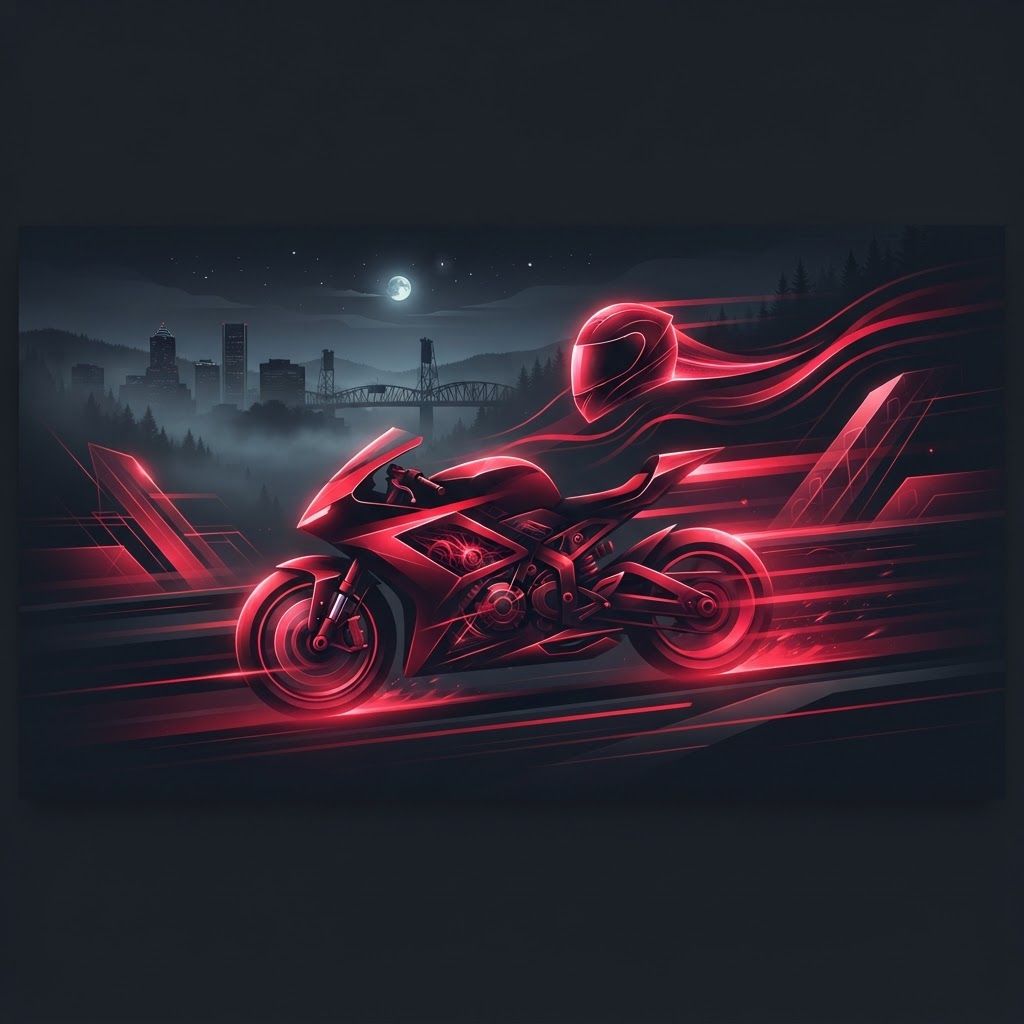
Why Portland Is a Distinctive Motorcycle Market
Few American cities combine Portland's specific mix of riding conditions. Within a short ride, motorcyclists reach the Historic Columbia River Highway, the forested switchbacks around Mount Hood, the Oregon coast, and the high desert beyond the Cascades. That variety rewards versatile machines rather than narrowly specialized ones, which explains why adventure and sport-touring categories are disproportionately popular locally.
The region's climate is the other defining factor. Extended wet seasons make traction, weather protection, and corrosion resistance genuinely important rather than theoretical concerns. Riders who commute year-round in Portland develop strong opinions about heated grips, effective fairings, and tire compounds that perform on cold, damp pavement.
Ten Motorcycle Brands With Strong Portland Followings
Honda holds a foundational position in the local market. Its reputation for mechanical durability and predictable maintenance intervals makes it the default recommendation for new riders and daily commuters alike. The breadth of the lineup, from small-displacement commuters to large adventure machines, means most Portland use cases are covered.
Yamaha is favored by riders who prioritize engine character and handling balance. The brand's mid-displacement models are particularly well suited to Portland's blend of city riding and weekend canyon routes, offering enough performance for spirited riding without becoming unwieldy in traffic.
Kawasaki has a strong presence among performance-oriented riders and those seeking value. Its sport and naked models deliver considerable capability at accessible prices, and the brand's supersport heritage carries real weight in the local enthusiast community.
Suzuki maintains loyal Portland ownership, particularly around its adventure and standard models. The brand's reputation for straightforward mechanical design appeals to riders who perform their own maintenance, a notable subculture in a city with strong do-it-yourself traditions.
BMW Motorrad occupies the premium touring and adventure space, and its dominance in Pacific Northwest long-distance riding is difficult to overstate. Weather protection, shaft-drive durability, and electronic rider aids all matter enormously on multi-day rides through variable mountain conditions.
Triumph attracts riders drawn to modern classic styling combined with contemporary engineering. Its aesthetic fits comfortably within Portland's design-conscious culture, and the brand's twin-cylinder engines deliver the accessible torque that works well on winding regional roads.
Harley-Davidson anchors the cruiser and bagger segment with an established local community, organized rides, and strong aftermarket support. For riders who prioritize touring comfort and social riding culture, the brand's ecosystem is a significant part of the value proposition.
Ducati serves the performance and design-focused end of the market. Its multi-purpose models have proven surprisingly well suited to Pacific Northwest riding, combining sporting capability with the upright ergonomics that long rides demand.
KTM has built a devoted following among riders who spend time on Oregon's extensive forest service roads and gravel routes. The brand's off-road heritage translates directly into capability on the unpaved terrain that surrounds the metro area.
Royal Enfield has gained notable traction as an accessible entry point, offering simple, characterful machines at modest prices. For new riders and urban commuters who value approachability over outright performance, the appeal is straightforward.
Matching a Brand to Your Riding Profile
Commuters should prioritize weather protection, manageable weight for stop-and-go traffic, and reasonable service intervals. Weekend canyon riders benefit from responsive chassis dynamics and strong braking. Long-distance tourers need wind management, luggage capacity, and comfortable ergonomics far more than peak horsepower. Riders planning gravel exploration require appropriate suspension travel and tire options.
Displacement deserves honest self-assessment. Portland traffic and wet roads punish overpowered choices, and many experienced local riders deliberately choose mid-displacement machines for their all-around usability rather than stepping up to the largest available engine.
Riding in Pacific Northwest Conditions
Wet-weather competence is the defining local skill. Smooth throttle and brake inputs, wider following distances, and heightened awareness of painted lines, metal bridge decks, and trolley tracks all matter. The Portland area's numerous bridges introduce surfaces that become notably slick, and riders learn to cross them with minimal lean and steady inputs.
Gear priorities shift accordingly. Genuinely waterproof outer layers, effective visor anti-fog treatment, and heated equipment extend the practical riding season by months. Tire selection matters more here than in dry climates; compounds that reach operating temperature quickly and channel water effectively deliver real safety benefits.
Maintenance Realities
Moisture accelerates corrosion, so chain maintenance, fastener inspection, and electrical connector care require more attention than in arid regions. Riders who store motorcycles outdoors should invest in breathable covers rather than sealed ones, which trap humidity against components. Brake system service intervals often warrant tightening because road grit and water shorten pad and rotor life.
Portland supports an unusually strong independent service scene, and many riders develop long-term relationships with specialist shops rather than relying exclusively on dealership service departments. Parts availability varies by brand, which is worth considering before purchasing a less common machine.
Final Thoughts
The best motorcycle brand for a Portland rider depends far more on intended use than on general reputation. Japanese manufacturers offer exceptional reliability and value, European brands lead in touring and adventure refinement, and American cruisers deliver community and comfort. Test ride broadly, weigh wet-weather capability seriously, and choose the machine you will actually ride throughout the year rather than the one that looks best parked.
