
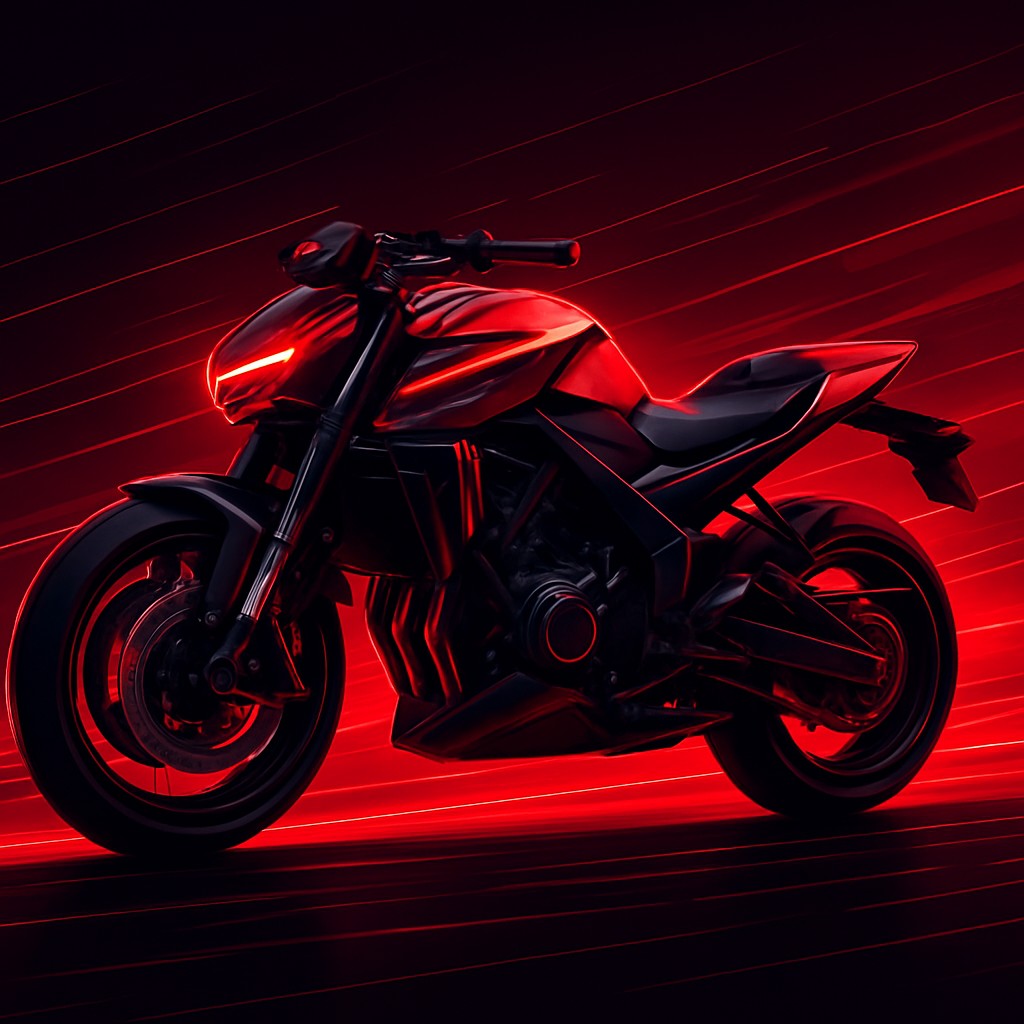
Motorcycles at the Heart of Guinean Mobility
Motorcycles play an indispensable role in Guinea's transportation landscape. They navigate crowded city streets, reach remote villages where larger vehicles struggle, and power the popular motorcycle-taxi trade that provides income for thousands of riders. For many Guineans, a reliable motorcycle is not a luxury but an essential tool for work and daily life.
Because motorcycles are used so intensively, riders place a premium on durability, fuel efficiency, ease of maintenance, and affordable spare parts. The brands that succeed in Guinea are those that meet these practical demands consistently.
What Riders Look For in a Motorcycle
Guinean riders evaluate motorcycles on several key criteria. Reliability is paramount, as breakdowns mean lost income and costly repairs. Fuel efficiency matters greatly given the long distances many riders cover daily. Easy access to affordable spare parts and skilled mechanics is equally important, since motorcycles must be kept running with minimal downtime.
Comfort and load capacity also factor into purchasing decisions, especially for those who use their bikes for commercial transport or carrying goods. The most popular brands balance these qualities at a price point that suits local budgets.
Leading Motorcycle Brands in Guinea
Bajaj enjoys a strong following thanks to its durable engines, fuel efficiency, and widespread availability of parts, making it a favorite among motorcycle-taxi operators. TVS is praised for its rugged build and value, appealing to riders who need dependable performance on tough roads.
Haojue and Lifan have gained popularity for offering affordable models that deliver solid reliability, while Sanya is known for motorcycles well suited to commercial use. Honda remains a respected name, valued for its engineering quality and long-term dependability.
Other notable brands include Yamaha, recognized for performance and durability; Suzuki, appreciated for its balanced range; Boxer, popular for heavy-duty commercial tasks; Apsonic, which offers competitively priced models; and Kymco, valued by riders seeking comfort and modern features. Each brand has carved out a niche based on price, performance, and parts availability.
The Motorcycle-Taxi Economy
One of the most significant drivers of motorcycle demand in Guinea is the motorcycle-taxi sector. These services provide affordable, flexible transport across cities and into areas underserved by other options. For countless riders, owning a motorcycle is the foundation of a livelihood.
This commercial use shapes brand preferences heavily. Operators favor models renowned for endurance, low running costs, and simple maintenance, since their motorcycles must withstand long hours and demanding conditions day after day. Brands that prove themselves in this environment quickly earn strong reputations.
Maintenance and Spare Parts Availability
The availability of affordable spare parts is a decisive factor in the Guinean market. A motorcycle is only as practical as the ease with which it can be repaired. Brands with widespread parts distribution and a network of trained mechanics enjoy a clear advantage, as they minimize downtime and repair costs.
Many riders develop loyalty to brands that have proven easy to maintain over years of use. This reliability translates into peace of mind and stable income for commercial operators, reinforcing the popularity of well-supported brands.
Fuel Efficiency and Cost of Ownership
With fuel representing a major ongoing expense, fuel-efficient motorcycles are highly prized. Riders carefully weigh the long-term cost of ownership, including fuel consumption, maintenance, and resale value, rather than focusing solely on the purchase price.
Brands that deliver strong mileage and low maintenance costs offer the best overall value. This practical, economics-driven mindset defines how Guinean riders approach their purchases and explains the enduring appeal of efficient, affordable models.
Trends in the Motorcycle Market
The motorcycle market in Guinea continues to grow as urbanization and commercial activity expand. There is increasing interest in models that combine affordability with improved comfort and features. Some riders are beginning to explore more modern designs, and awareness of fuel efficiency and reliability is rising.
As the market matures, brands are competing not only on price but also on service networks, warranty support, and product quality. This competition benefits riders, who gain access to better motorcycles and stronger after-sales support.
Choosing the Right Motorcycle
Selecting a motorcycle in Guinea involves balancing price, durability, fuel efficiency, and parts availability. Prospective buyers should consider how they intend to use the bike, whether for personal transport or commercial work, and choose a brand with a proven track record in that role.
Consulting experienced riders and mechanics, test riding before purchase, and confirming the availability of local servicing are all sensible steps. A well-chosen motorcycle delivers years of dependable service and strong value.
Conclusion
Motorcycles are woven into the fabric of daily life and commerce in Guinea, and the leading brands have earned their popularity through reliability, efficiency, and practicality. The brands highlighted here represent the qualities Guinean riders value most. For anyone seeking dependable two-wheeled transport, these trusted names offer excellent choices.
Ultimately, the strength of Guinea's motorcycle market lies in the variety it offers. Whether a rider prioritizes the lowest purchase price, the longest service life, or the best fuel economy, there is a brand and model to match. By comparing options carefully and considering both upfront and ongoing costs, Guinean riders can select a motorcycle that supports their work and lifestyle for years to come.
