
Metal Fabrication in an Aerospace State
Washington's metalworks sector was shaped by two industries that tolerate almost no error: aerospace and shipbuilding. Decades of supplying aircraft structures, engine components, and naval work created a supplier base fluent in tight tolerances, traceable materials, and documented inspection. That foundation now serves a much wider customer set, including commercial construction, food processing equipment, energy infrastructure, semiconductor tooling, and architectural metalwork.
The state's metalworks companies generally fall into recognizable categories. Precision machine shops produce close-tolerance parts from aluminum, titanium, stainless, and exotic alloys. Sheet metal fabricators cut, form, and weld enclosures, ducting, and panels. Structural steel fabricators produce beams, columns, and miscellaneous metals for buildings. Specialty finishers provide anodizing, plating, painting, and heat treatment. Most substantial projects touch several of these categories, and knowing which type of shop to approach saves considerable time.
Top 10 Best Metalworks Companies in Washington
1. TIMCO Aviation and Precision Aerospace Machining Shops of Auburn — The Auburn and Kent aerospace corridor contains dense clusters of precision machining businesses holding AS9100 registration and Nadcap-accredited special processes. Their defining strength is process control: statistical monitoring, first article inspection reporting, and full material traceability from mill certificate to shipped part.
2. Vigor Industrial — With significant Washington operations, Vigor performs heavy fabrication, shipbuilding, and modular construction. The company's ability to fabricate very large steel structures and manage complex marine projects makes it a regional anchor for heavy industry.
3. Everett Steel and Regional Service Centers — Steel service centers supply plate, bar, tube, and structural shapes with cutting and processing services. They matter because material availability determines project schedules, and a service center with deep stock and saw or plasma capability can shorten a fabricator's timeline substantially.
4. Absolute Fabrication and Custom Sheet Metal Shops of Spokane — Eastern Washington sheet metal shops serve food processing, agriculture, and mining customers with stainless fabrication, guarding, hoppers, and washdown-rated equipment. Their differentiator is sanitary welding and finishing practice suited to food-contact environments.
5. Pacific Machinery and Tool Steel Suppliers — Tool steel and specialty alloy suppliers support die makers, mold builders, and machine shops needing exact material grades. Their technical staff often guide customers on hardness, machinability, and heat treatment tradeoffs before a job starts.
6. Cascade Metal Finishing and Anodizing Providers — Finishing is where many otherwise excellent parts fail. Washington's anodizers, platers, and painters provide corrosion protection and cosmetic finishes to aerospace and commercial standards. The best maintain accredited process control and detailed rack and masking documentation.
7. Architectural Metal Fabricators of Seattle — Serving architects and developers, these fabricators produce railings, canopies, cladding, and feature stairs. Their strength is bridging design intent and constructability, often producing shop drawings and mockups that resolve aesthetic questions before installation.
8. Skagit Steel and Structural Fabricators of the Northwest — Structural fabricators supply steel packages for commercial buildings, bridges, and industrial facilities. Certification for structural welding, weld inspection capability, and erection coordination distinguish reliable partners in this space.
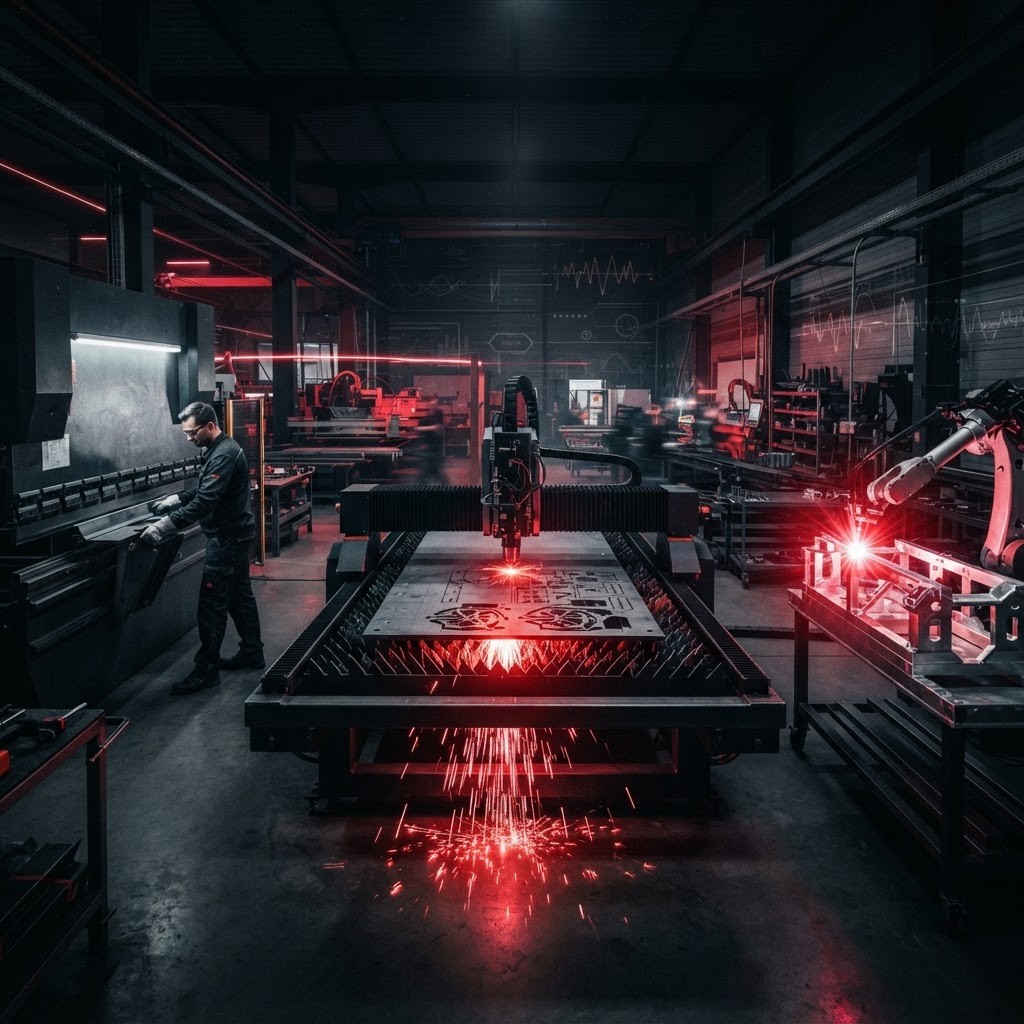
9. Waterjet and Laser Cutting Job Shops of Tacoma — Cutting specialists offer waterjet, fiber laser, and plasma processing, often on short turnaround. They are invaluable for prototypes, brackets, gaskets, and any project needing complex profiles without tooling investment.
10. Foundries and Casting Producers of Eastern Washington — Foundry operations in the Spokane area produce steel and alloy castings for mining, agriculture, and heavy equipment. Combined with in-house machining, they deliver finished components with controlled quality from pour through final dimension.
Certifications That Signal Capability
Certifications indicate the systems behind the work. ISO 9001 registration shows a documented quality management system. AS9100 adds aerospace requirements including configuration management and risk assessment. Nadcap accreditation covers special processes such as heat treating, welding, and chemical processing. Structural welding certification confirms qualified procedures and welders for building work. Requesting current certificates and understanding the scope of each is a straightforward way to filter suppliers before deeper technical discussion.
How to Write a Request for Quote That Works
Vague RFQs produce padded quotes and long lead times. Provide a complete drawing package with tolerances that reflect actual function, not blanket tight callouts, since unnecessary precision drives cost quickly. Specify material grade and any required certifications, define finish requirements including masked areas, state quantity and whether repeat orders are expected, and identify inspection expectations up front. If your part has a critical feature, say so explicitly; shops will fixture and inspect differently when they understand what actually matters.
Trends in the Regional Metals Sector
Automation continues to spread, with robotic welding cells and automated material handling helping shops manage a persistent shortage of experienced machinists and welders. Additive manufacturing has found a durable role producing fixtures, tooling, and complex low-volume parts rather than replacing subtractive work. Reshoring interest has increased quoting activity, particularly from customers who experienced overseas supply disruption. Finally, sustainability reporting has begun reaching the metals supply chain, prompting interest in scrap recovery, energy intensity, and recycled content documentation.
Washington's metalworks companies compete on engineering credibility rather than lowest price, and buyers get the most from them by engaging early, sharing functional intent, and building long-term relationships that give shops a reason to prioritize their work.
