
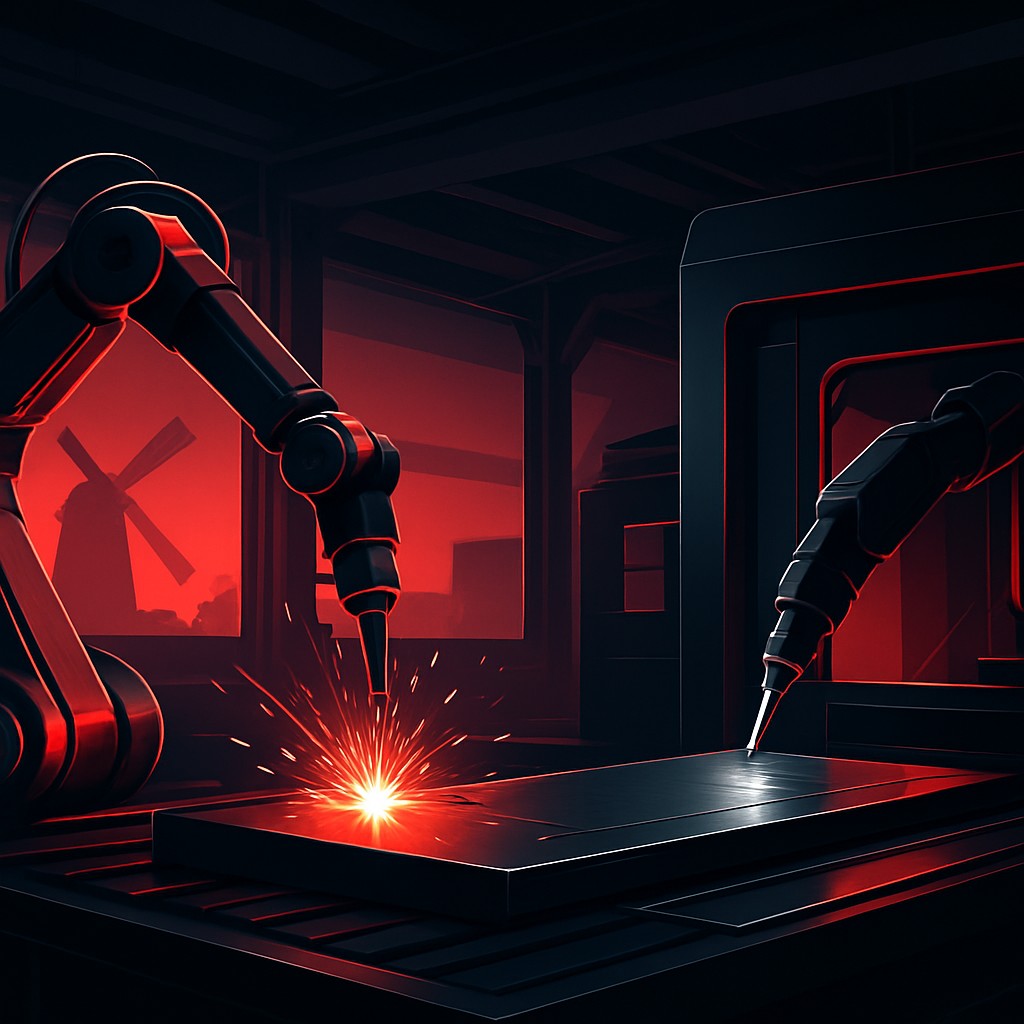
The Strength of Dutch Metalworking
The Netherlands has long been recognised as a European powerhouse for precision metalworking. Anchored by a culture of engineering excellence, strict quality standards, and a deep commitment to innovation, Dutch metalworks companies serve industries ranging from shipbuilding and aerospace to construction, agriculture, and renewable energy. The country's strategic location, with the Port of Rotterdam acting as a gateway to the rest of Europe, gives local fabricators a logistical advantage that few other markets can match.
Metalworking in the Netherlands is defined by more than raw output. Companies here invest heavily in automation, CNC machining, laser cutting, and robotic welding to deliver consistent tolerances and repeatable results. This focus on technology allows even small and mid-sized firms to compete on the world stage, offering bespoke solutions that larger, less agile manufacturers struggle to match.
What Sets the Best Apart
The leading metalworks firms in the Netherlands share several defining characteristics. First, they maintain rigorous certifications such as ISO 9001 for quality management and ISO 3834 for welding, giving clients confidence that every component meets exacting specifications. Second, they embrace lean manufacturing principles, reducing waste while improving turnaround times. Third, the best companies offer full-service capabilities, guiding projects from initial design and prototyping through to final assembly and surface treatment.
Sustainability has also become a powerful differentiator. Dutch fabricators increasingly source recycled steel and aluminium, optimise energy use across their workshops, and adopt closed-loop water systems for processes like galvanising and powder coating. For buyers who must meet their own environmental targets, partnering with an eco-conscious metalworks supplier is no longer optional but essential.
Industries Served Across the Country
Dutch metalworking companies support a remarkably diverse customer base. The maritime sector relies on heavy steel fabrication for ship hulls, offshore platforms, and dredging equipment. The agricultural industry, a cornerstone of the Dutch economy, depends on precision components for greenhouses, irrigation systems, and processing machinery. Meanwhile, the booming offshore wind industry in the North Sea has created strong demand for large-scale structural steel, monopiles, and transition pieces.
Architectural metalwork is another area where Dutch firms excel. From sleek stainless-steel facades to intricate balustrades and custom staircases, fabricators combine artistry with structural integrity. This versatility means that whether a client needs a single prototype or a high-volume production run, there is almost always a specialist ready to deliver.
Key Services to Look For
When evaluating a metalworks partner, consider the breadth of their service offering. Core capabilities typically include laser and plasma cutting, CNC machining, sheet metal bending, TIG and MIG welding, and a range of finishing options such as anodising, powder coating, and electropolishing. Companies that also provide engineering support, 3D modelling, and reverse engineering bring added value, helping clients refine designs before any metal is cut.
Material expertise matters too. The best firms work confidently across carbon steel, stainless steel, aluminium, copper, brass, and specialised alloys. They understand how each material behaves under stress, heat, and corrosion, advising clients on the most cost-effective and durable choice for their application.
Trends Shaping the Industry
Several trends are reshaping the Dutch metalworking landscape. Digitalisation, often described as Industry 4.0, is enabling real-time monitoring of production lines, predictive maintenance, and seamless integration between design software and machinery. Additive manufacturing, or metal 3D printing, is gaining traction for complex, low-volume parts that would be difficult to produce conventionally.
Workforce development is another priority. Faced with an ageing population and a shortage of skilled technicians, Dutch companies are investing in apprenticeships, partnerships with technical universities, and automation that complements rather than replaces human expertise. This forward-thinking approach ensures the sector remains competitive for decades to come.
How to Choose the Right Partner
Selecting the ideal metalworks company depends on your specific needs. For complex engineering projects, prioritise firms with strong design capabilities and a track record in your industry. For high-volume production, focus on automation, capacity, and consistent quality control. Always request references, review past projects, and confirm relevant certifications before committing.
Communication and reliability are equally important. A responsive partner who provides transparent pricing, realistic lead times, and clear project updates will save you countless headaches. In a sector where precision and deadlines are paramount, trust is just as valuable as technical skill.
Conclusion
The Netherlands offers one of the most advanced and reliable metalworking ecosystems in Europe. By combining cutting-edge technology, sustainable practices, and deep industry expertise, Dutch metalworks companies deliver outstanding value to clients at home and abroad. Whether you require intricate precision components or large structural fabrications, taking the time to evaluate certifications, capabilities, and reputation will help you find a partner capable of bringing your most demanding projects to life.
