
The Backbone of Lebanese Industry
Metalworks has long been one of Lebanon's most enduring industrial traditions, quietly supporting the nation's construction boom, manufacturing base, and design economy. From structural steel that frames residential towers in Beirut to ornamental ironwork that decorates mountain villas, the metalworking trade sits at the intersection of heavy industry and fine craftsmanship. Lebanese fabricators are known for their versatility, handling everything from precision CNC cutting to hand-finished architectural details, often within the same workshop.
The sector has proven remarkably resilient. Despite economic headwinds and fluctuating raw material costs, Lebanese metalworks companies have adapted by investing in efficient machinery, diversifying their export markets, and cultivating specialized niches. This adaptability is precisely why the industry continues to attract contractors, architects, and industrial buyers seeking reliable partners.
What Defines a Leading Metalworks Company
Choosing a metalworks partner in Lebanon requires more than comparing prices. The strongest firms combine engineering expertise with quality control, on-time delivery, and the ability to interpret complex technical drawings. Certifications, welding standards, and material traceability increasingly separate top-tier operators from smaller informal workshops. Reputation, built over decades and passed between generations of family-owned businesses, remains one of the most trusted signals of reliability in this market.
Ten Companies Shaping the Sector
MetalCraft Lebanon has earned a strong reputation for structural steel fabrication, serving large-scale construction projects with heavy-duty beams, columns, and trusses. Their investment in automated cutting technology allows them to maintain tight tolerances on demanding commercial contracts.
Steel & Beyond specializes in architectural metalwork, producing custom staircases, balustrades, and facade cladding. The company is frequently chosen by architects who want a fabricator capable of translating bold design concepts into durable finished products.
Cedar Metal Industries focuses on industrial fabrication, supplying tanks, frames, and machinery components to Lebanon's food processing and manufacturing plants. Their emphasis on stainless steel work makes them a preferred supplier for hygienic industrial environments.
Beirut Ironworks carries forward a legacy of ornamental ironwork, crafting gates, railings, and decorative panels that blend traditional Levantine motifs with contemporary aesthetics. The workshop is well regarded for its hand-finishing skills.
ProFab Engineering is known for precision sheet metal work, serving electronics enclosures, HVAC ducting, and custom brackets. Their engineering team supports clients from prototype through full production runs.
Titan Steel Works handles large industrial projects, including warehouse structures and mezzanine systems. Contractors value their capacity to manage sizable orders without compromising on weld integrity.
Levant Aluminum & Steel bridges two materials, offering both aluminum extrusion fabrication and steel work. This dual capability makes them a convenient single source for facade and window systems.
Phoenician Fabricators concentrates on custom industrial equipment, building conveyors, platforms, and specialized machinery frames tailored to each client's process requirements.
Mount Lebanon Metals serves the residential and hospitality markets, producing pergolas, canopies, and outdoor structures that withstand the country's varied mountain and coastal climates.
Apex Welding Solutions rounds out the list with a focus on specialized welding services, including mobile on-site welding for construction and repair projects across the country.
Trends Reshaping Lebanese Metalworks
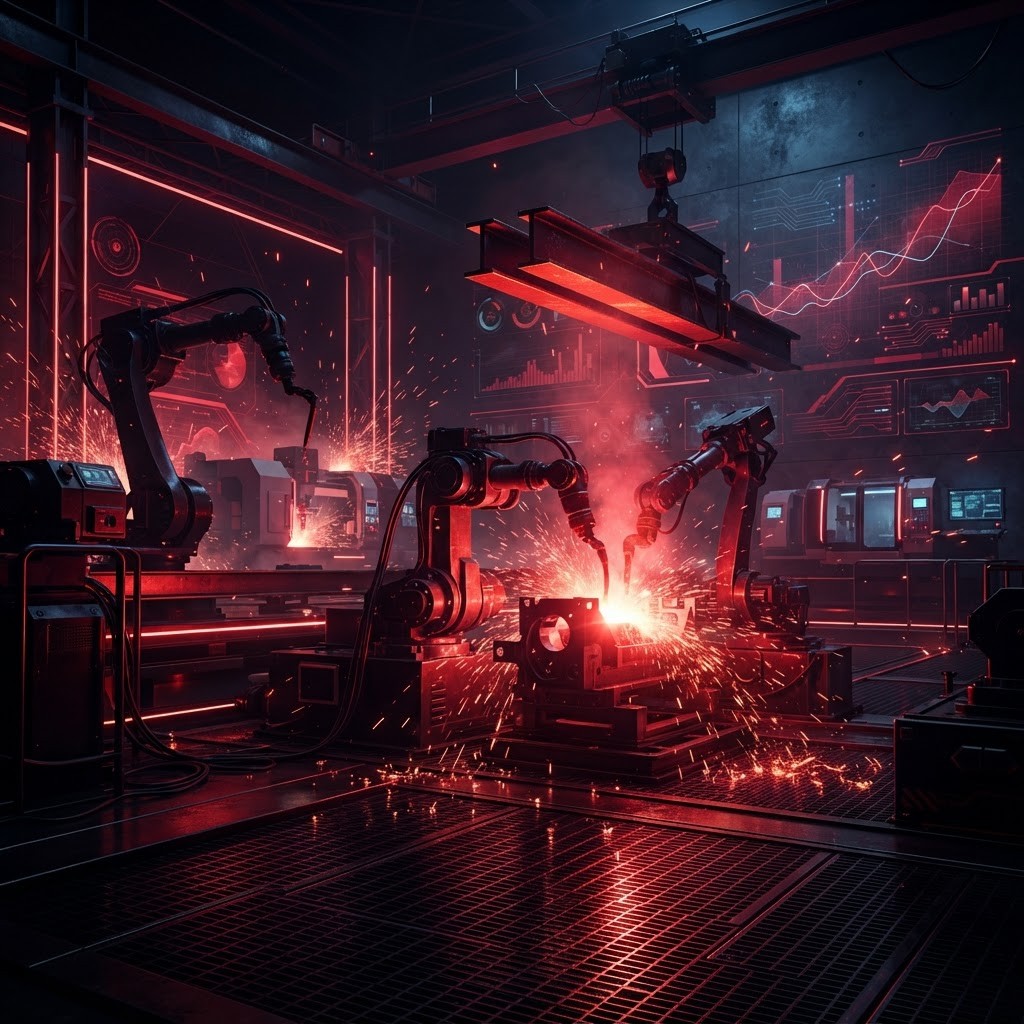
Several forces are transforming how these companies operate. Automation and CNC technology have raised the baseline for precision, allowing even mid-sized workshops to compete on complex jobs that once required imported components. At the same time, there is growing demand for sustainable practices, including the use of recycled steel and energy-efficient fabrication methods. Lebanese fabricators are also increasingly export-oriented, shipping finished metalwork to Gulf markets where Lebanese craftsmanship enjoys a strong reputation.
Design collaboration is another important trend. Architects and interior designers now treat metalworkers as creative partners rather than mere suppliers, commissioning bespoke pieces that become focal points of a space. This shift rewards firms that can combine technical fabrication with an eye for finish and detail.
Benefits of Working With Established Fabricators
Partnering with a reputable metalworks company delivers tangible advantages. Established firms offer engineering support that can catch design flaws before production, saving time and money. Their supply relationships provide more stable access to quality raw materials, and their experienced teams reduce the risk of costly rework. For construction projects operating on strict timelines, dependable delivery is often worth more than a marginally lower price.
Choosing the Right Partner
When selecting a metalworks company in Lebanon, buyers should review past projects, ask about welding qualifications, and confirm the workshop's capacity relative to the order size. Requesting samples or visiting the facility can reveal a great deal about quality standards. Ultimately, the best partnership is one where the fabricator understands the project's goals and communicates clearly throughout the process.
Conclusion
Lebanon's metalworks industry reflects the country's broader character: resourceful, skilled, and deeply rooted in craftsmanship. The ten companies highlighted here represent the diversity of a sector that spans heavy structural steel, precision engineering, and decorative artistry. For anyone building, manufacturing, or designing in Lebanon, these firms offer the expertise and reliability needed to bring ambitious projects to life.
