
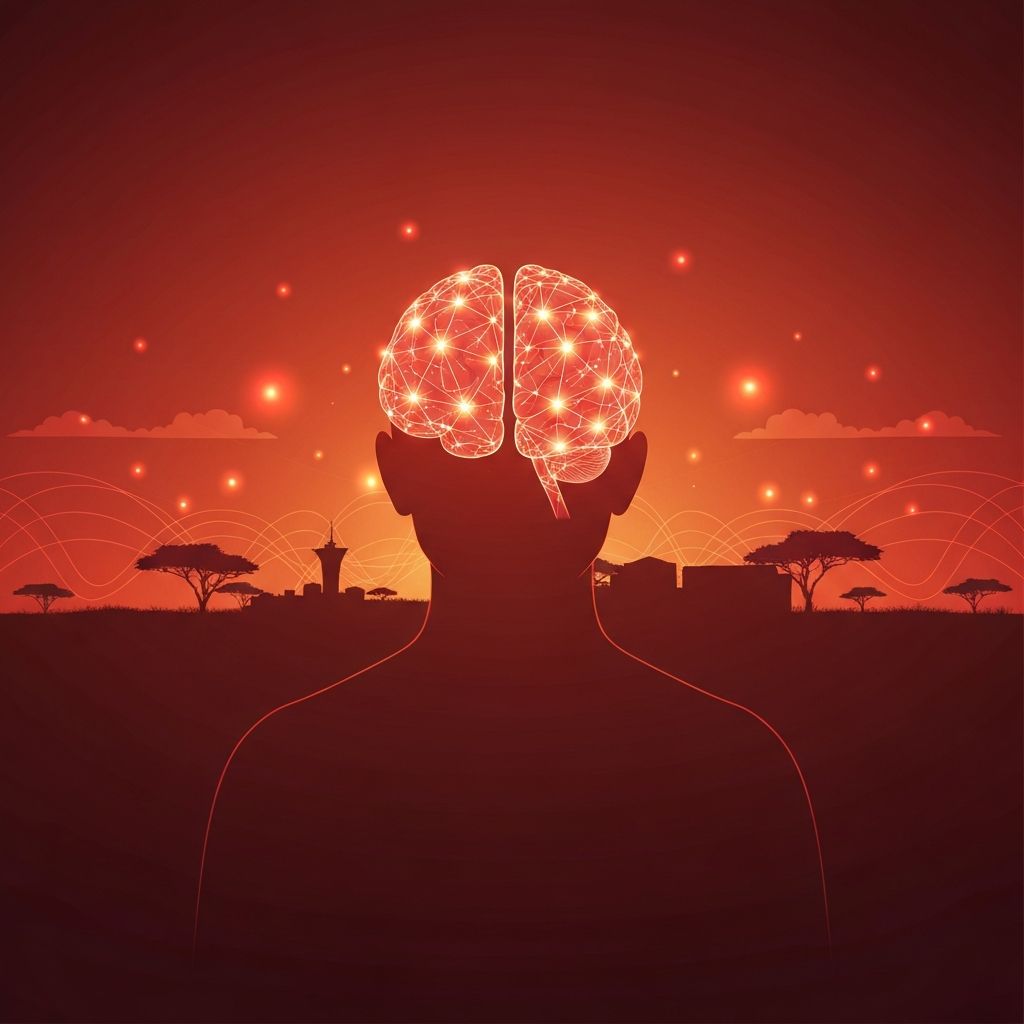
Introduction to Mental Health Care in Tanzania
Mental health awareness in Tanzania has grown remarkably over the past decade, with both public and private institutions stepping up to address rising demand for psychological and psychiatric care. As urbanization accelerates in cities like Dar es Salaam, Arusha, and Dodoma, lifestyle pressures and traumatic events have brought emotional wellbeing into sharper focus. The country's leading mental health clinics now combine modern clinical practices with culturally sensitive approaches that respect Tanzanian traditions and community values.
Why Mental Health Services Matter
Quality mental health services are essential for productivity, family stability, and overall public health. Tanzania's top clinics provide a wide range of treatments including individual therapy, group counseling, addiction recovery programs, child and adolescent psychiatry, and inpatient psychiatric care. Many also offer telehealth consultations, expanding access to rural communities where in-person specialists are limited.
Leading Mental Health Clinics in Tanzania
Muhimbili National Hospital Psychiatric Unit in Dar es Salaam stands out as the country's flagship referral facility, offering comprehensive psychiatric assessment, inpatient care, and academic training. Its multidisciplinary team handles complex cases ranging from mood disorders to schizophrenia.
Mirembe National Mental Health Hospital in Dodoma is the largest specialized psychiatric facility in Tanzania, known for long-term rehabilitation, forensic psychiatry, and community outreach programs that reduce stigma.
Aga Khan Hospital Mental Health Department in Dar es Salaam provides premium private care, with internationally trained psychiatrists, psychologists, and a strong focus on personalized treatment plans.
Mount Meru Regional Referral Hospital in Arusha serves the northern region with dedicated psychiatric wards and counseling units that support both locals and the expatriate community.
KCMC Mental Health Services at Kilimanjaro Christian Medical Centre integrates mental health into general medical practice and supports research that informs national policy.
Hubert Kairuki Memorial University Hospital offers psychotherapy, addiction counseling, and adolescent mental health services, blending academic rigor with patient-centered care.
Regency Medical Centre features modern psychiatric outpatient services with private consultation rooms and confidential support for working professionals.
TMJ Hospital Psychiatry Clinic is recognized for couples counseling, trauma therapy, and stress management programs popular among urban families.
Bugando Medical Centre Mental Health Unit in Mwanza is the leading mental health resource for the Lake Zone region, offering pediatric and adult psychiatric services.
Sound Mind Tanzania is a respected private practice known for cognitive behavioral therapy, online counseling, and corporate wellness programs.
Trends Shaping the Industry
The Tanzanian mental health sector is embracing digital health solutions, mobile apps for self-assessment, and remote therapy. Workplace mental health programs are expanding as companies recognize the productivity benefits of supporting employees. Community-based interventions, school counseling programs, and partnerships with traditional healers also play a meaningful role in reducing stigma.
Choosing the Right Clinic
When selecting a mental health clinic, consider the qualifications of the practitioners, the range of services offered, confidentiality practices, and cultural sensitivity. Many of Tanzania's leading institutions combine evidence-based methods with a deep understanding of local family structures, spirituality, and community life, ensuring care that feels both professional and personally relevant.
Conclusion
Tanzania's top mental health clinics are reshaping how the nation views and treats psychological wellbeing. By offering accessible, compassionate, and modern services, they provide critical support to individuals and families navigating life's challenges, contributing to a healthier and more resilient society.
