
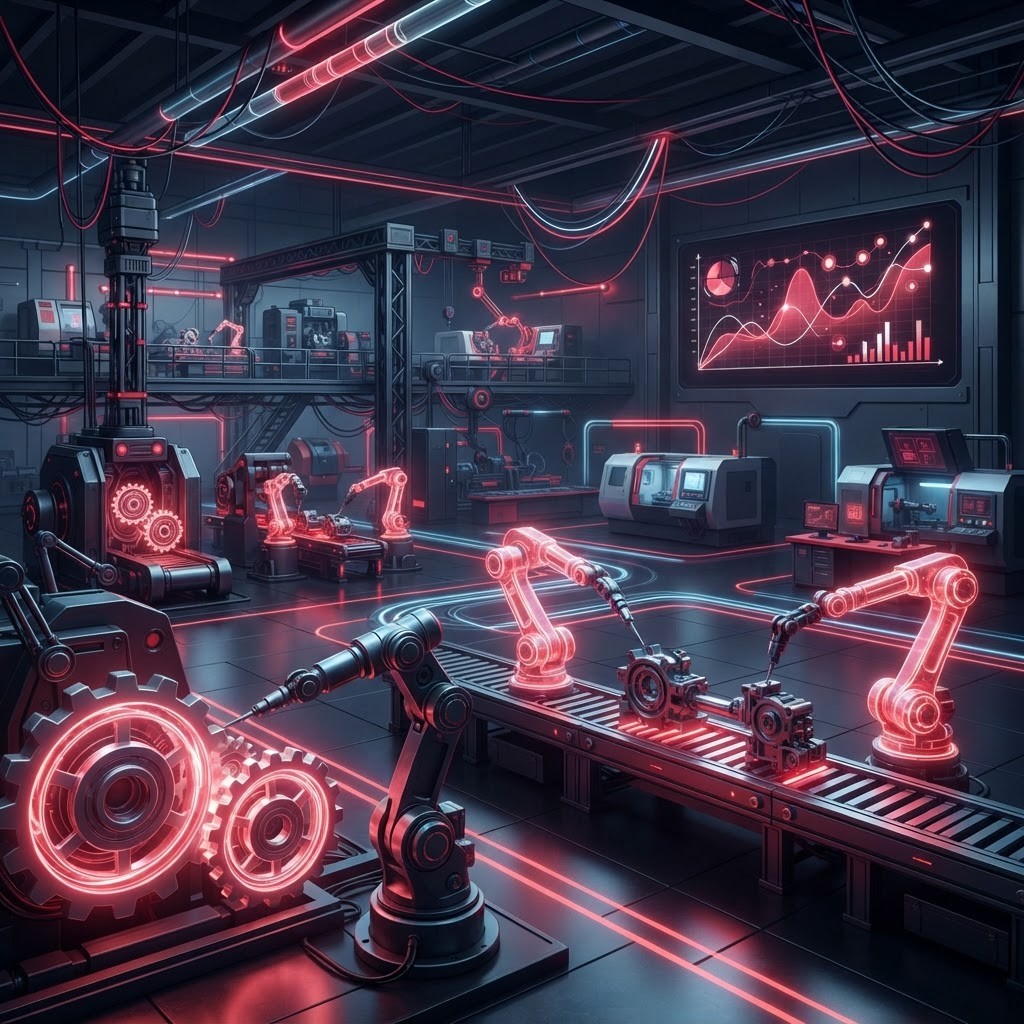
The Backbone of Serbian Industry
Machinery manufacturing represents one of the most technically demanding and strategically important segments of Serbia's industrial economy. Drawing on a strong tradition of metalworking and mechanical engineering, Serbian manufacturers produce agricultural equipment, industrial machines, processing systems, and precision components for domestic use and export. This sector supports agriculture, construction, energy, and countless downstream industries, making it a genuine backbone of the national economy.
Serbia's machinery producers combine engineering heritage with modern manufacturing techniques, offering reliable, cost-effective equipment. Below we explore ten of the leading machinery manufacturers and what makes them stand out in a competitive regional market.
Agricultural and Heavy Machinery
IMT (Industrija Mašina i Traktora) is a legendary name in Serbian machinery, historically producing tractors and agricultural equipment that became fixtures on farms across the region. Its brand recognition remains strong throughout Southeast Europe.
IMR (Industrija Motora Rakovica) specializes in engines and tractor production, contributing essential power units and machinery to the agricultural sector.
Zmaj manufactures agricultural machinery, including harvesting and processing equipment, serving the country's substantial farming industry.
Majevica and similar producers supply agricultural implements and machinery components, supporting mechanized farming throughout Vojvodina and beyond.
Industrial and Precision Engineering
Goša is a prominent engineering group producing heavy machinery, rail vehicles, and industrial equipment, with a long history of complex fabrication and project execution.
Prva Petoletka (PPT) specializes in hydraulic and pneumatic systems, precision components, and industrial machinery, serving diverse sectors with engineered solutions.
Sever manufactures electric motors, generators, and electromechanical equipment, combining electrical and mechanical engineering expertise.
FAM (Fabrika Alatnih Mašina) and comparable machine-tool producers deliver the equipment that other manufacturers rely on, from cutting to forming machinery.
Livnica Kikinda provides castings and machined components essential to machinery assembly, supporting the broader manufacturing ecosystem.
Metalac rounds out the list with metal processing and manufacturing capabilities that span consumer and industrial products, reflecting the versatility of Serbian metalworking.
Why Serbian Machinery Stands Out
The strength of Serbia's machinery sector lies in its engineering tradition. Decades of experience in metalworking, casting, and mechanical design have produced a workforce capable of tackling complex projects. This expertise, paired with competitive labor and material costs, enables Serbian manufacturers to offer reliable equipment at attractive prices.
Proximity to European and regional markets supports efficient distribution, while established supply networks provide access to raw materials and components. Many manufacturers have invested in modern CNC machining, automation, and quality systems, ensuring their output meets contemporary standards.
Industry Trends and Modernization
The Serbian machinery industry is embracing modernization on several fronts. Automation and CNC technology are improving precision and productivity, allowing manufacturers to compete on quality as well as cost. Digital design tools and simulation are accelerating product development and reducing errors.
Demand for agricultural machinery remains robust, supported by the region's significant farming sector and ongoing mechanization. At the same time, industrial equipment producers are pursuing energy efficiency and customization to meet the specific needs of clients across energy, construction, and processing industries.
Selecting a Machinery Manufacturer
Choosing a machinery manufacturer requires careful attention to engineering capability, quality, and after-sales support. Buyers should evaluate a company's track record on similar projects, its capacity for customization, and its ability to meet delivery timelines. For heavy or specialized equipment, the availability of spare parts, maintenance services, and technical support over the machine's lifetime is often as important as the initial purchase.
Certifications and adherence to international standards provide assurance of quality and safety, particularly for equipment destined for export or regulated industries. Manufacturers that offer engineering consultation, installation support, and operator training deliver greater long-term value. A transparent partner that stands behind its products builds the trust essential for equipment that must operate reliably for years.
Engineering Heritage as a Competitive Edge
Serbia's machinery sector is inseparable from its engineering heritage. Institutions and enterprises have cultivated mechanical and electrical engineering expertise over many decades, creating a reservoir of knowledge that few emerging manufacturing regions can match. This depth allows Serbian manufacturers to undertake complex fabrication and custom projects that demand precision and problem-solving.
This heritage also supports innovation. As industries demand smarter, more efficient, and more automated equipment, Serbian engineers are well equipped to integrate new technologies into proven designs. The combination of tradition and adaptability gives the sector a durable competitive edge, ensuring it remains relevant even as manufacturing technology advances rapidly worldwide.
Conclusion
Serbia's machinery manufacturers embody the country's engineering heritage and industrial resilience. Companies such as IMT, Goša, Prva Petoletka, Sever, and Zmaj supply the agricultural and industrial equipment that keeps key sectors running. With continued investment in automation and precision engineering, Serbia's machinery industry remains a dependable partner for domestic and international customers seeking quality and value. As agriculture modernizes and industry demands ever more sophisticated equipment, the sector's blend of proven expertise and ongoing investment ensures it will continue to play a central role in the country's industrial future.
