
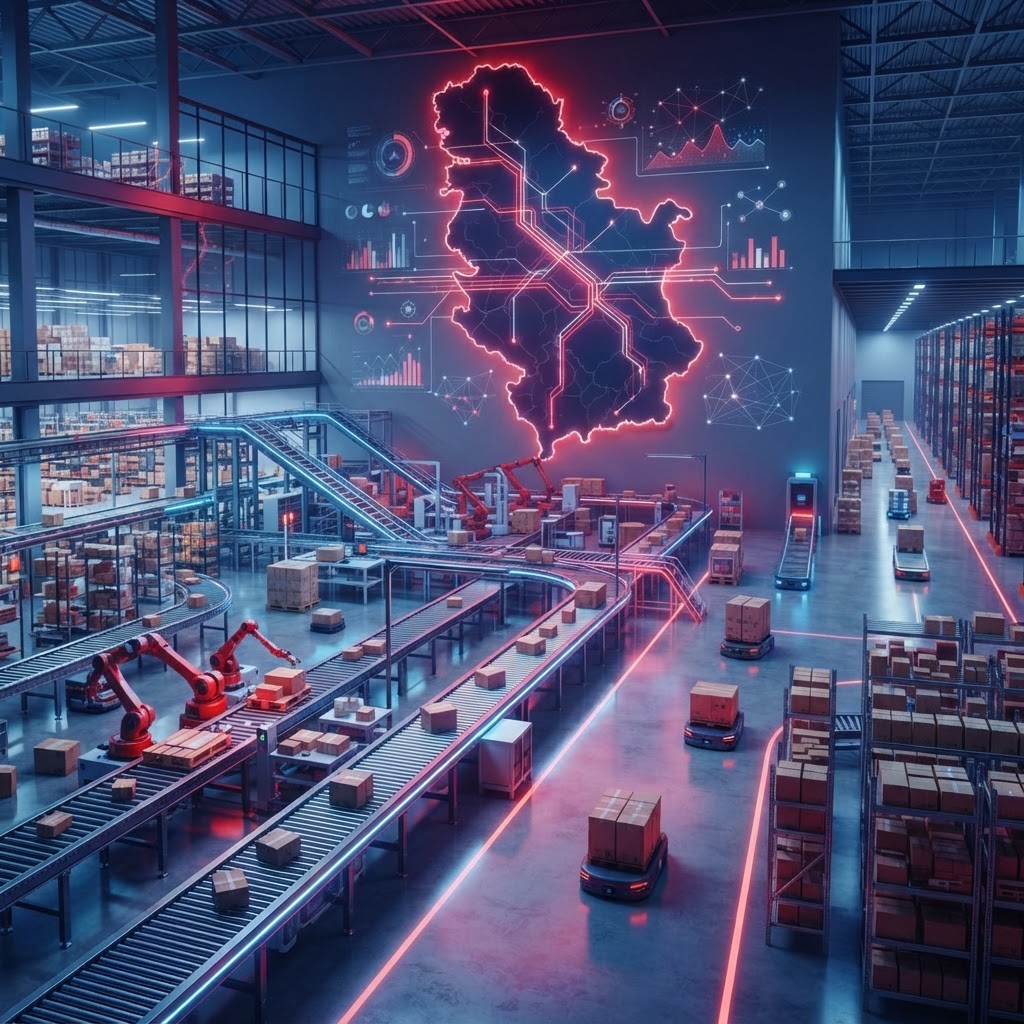
The Backbone of Serbia's Supply Chains
Logistics has become one of the most dynamic and vital sectors in Serbia's economy. As the country solidifies its role as a regional trade and distribution hub, logistics companies provide the essential infrastructure and expertise that keep supply chains running smoothly. From warehousing and inventory management to transportation and customs clearance, these providers offer comprehensive solutions that enable businesses to operate efficiently in an increasingly interconnected market.
Serbia's central location in Southeast Europe, combined with ongoing investment in modern infrastructure, has attracted both domestic firms and international logistics giants. The result is a competitive, sophisticated industry capable of serving the complex needs of manufacturers, retailers, and distributors.
Full-Service Logistics Providers
Leading logistics companies in Serbia distinguish themselves by offering end-to-end services that cover every stage of the supply chain. Global players such as DHL Serbia, Kuehne + Nagel, and DB Schenker maintain a strong presence, providing integrated solutions that combine transportation, warehousing, freight forwarding, and customs management.
These full-service providers appeal to businesses seeking a single, reliable partner to handle their entire logistics operation. Their extensive international networks, advanced technology, and deep expertise make them well-suited to managing complex, cross-border supply chains with precision and consistency.
Warehousing and Distribution
Modern warehousing is a cornerstone of effective logistics, and Serbia has seen significant growth in high-quality storage facilities. Contemporary warehouses feature advanced inventory management systems, climate control, and strategic locations near major transport routes. These facilities enable efficient storage, order fulfillment, and distribution, supporting the fast-moving demands of e-commerce and retail.
Companies specializing in warehousing and distribution help businesses reduce costs and improve service levels by optimizing inventory placement and streamlining fulfillment processes. The rise of online commerce has further increased demand for flexible, technology-enabled distribution solutions.
Freight Forwarding and Customs Expertise
Navigating international trade requires specialized knowledge of customs regulations, documentation, and cross-border procedures. Serbian logistics firms with strong freight forwarding capabilities, including Milšped and Cargo-partner, excel at managing these complexities. Their expertise ensures that shipments clear customs smoothly and reach their destinations without unnecessary delays.
This proficiency is particularly valuable given Serbia's position outside the European Union, where customs procedures play a significant role in cross-border trade. Experienced freight forwarders help businesses avoid costly errors and maintain compliance with evolving regulations.
Technology and Digital Transformation
Digital transformation is reshaping the logistics landscape in Serbia. Leading companies increasingly deploy sophisticated software for supply chain management, real-time tracking, and data analytics. These technologies enhance visibility, improve decision-making, and enable more responsive and efficient operations.
Automation within warehouses, digital documentation, and integrated platforms that connect shippers, carriers, and customers are becoming standard among top providers. This embrace of innovation not only boosts efficiency but also gives clients greater control and transparency over their supply chains, a growing expectation in the modern marketplace.
Sustainability in Logistics
Environmental responsibility is an increasingly important consideration in the logistics sector. Forward-thinking companies in Serbia are adopting sustainable practices such as optimizing transport routes to reduce emissions, investing in fuel-efficient vehicles, and promoting intermodal solutions that combine road, rail, and river transport.
These efforts align with broader European sustainability goals and respond to rising demand from clients for greener supply chains. By reducing their environmental footprint, logistics providers contribute to a more sustainable future while often achieving cost savings through greater efficiency.
Choosing the Right Logistics Partner
Selecting the ideal logistics partner requires careful evaluation of a company's capabilities, network, and reliability. Businesses should consider the range of services offered, the provider's experience in their specific industry, and its ability to scale operations as needs evolve. Strong technology infrastructure and transparent communication are also key indicators of a capable partner.
References, client testimonials, and a proven track record of on-time performance provide valuable insight. Ultimately, the best logistics partner is one that understands a business's unique requirements and can deliver tailored, dependable solutions that support long-term growth.
Conclusion
Logistics companies form the essential engine that drives Serbia's supply chains and supports its growing role in regional trade. With industry leaders such as DHL Serbia, Kuehne + Nagel, DB Schenker, and Milšped offering comprehensive, technology-driven services, businesses have access to world-class logistics expertise. By choosing experienced and innovative partners, companies operating in Serbia can ensure efficient, reliable, and sustainable movement of goods throughout the region and beyond.
