
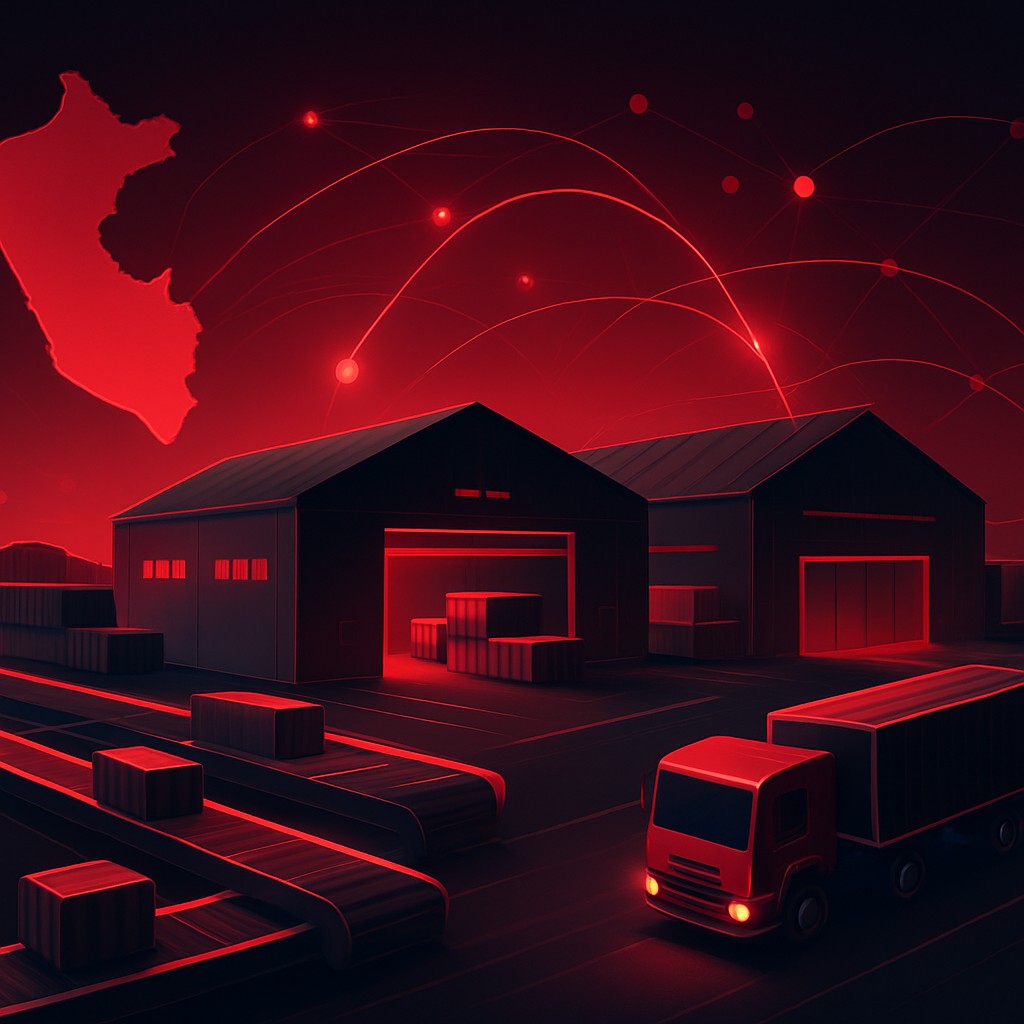
Logistics as a Strategic Advantage
In a country as geographically diverse as Peru, logistics is far more than simple transportation. It encompasses warehousing, inventory management, customs handling, distribution, and increasingly sophisticated supply-chain coordination. As Peru integrates further into global trade and its domestic consumer market expands, the demand for efficient, technology-driven logistics services has surged. The best logistics companies have positioned themselves as strategic partners that help businesses reduce costs, accelerate delivery, and improve customer satisfaction.
Peru's logistics landscape is shaped by its role as a gateway to South America's Pacific coast. The Port of Callao serves as a critical hub, while Lima functions as the central distribution point for the entire nation. Coordinating the flow of goods from these hubs to the rest of the country requires expertise, infrastructure, and adaptability.
Industry Leaders and Their Strengths
Ransa stands out as one of the most comprehensive logistics providers in Peru, offering end-to-end solutions that include warehousing, transportation, customs brokerage, and supply-chain consulting. Its scale and multinational presence make it a preferred partner for large enterprises. Dinet is equally prominent, recognized for its advanced distribution centers and technology-enabled inventory management serving retail, pharmaceutical, and industrial clients.
DHL Supply Chain and DHL Global Forwarding bring international expertise and global network connectivity, particularly valuable for import and export operations. Yobel SCM is a Peruvian-rooted company that has expanded across Latin America, specializing in supply-chain management for consumer goods and cosmetics. Other respected providers include Neptunia, which integrates port logistics with inland distribution, and Scharff, known for courier and express logistics services.
Technology and Innovation in Logistics
Technology has become the defining factor that separates leading logistics companies from the rest. Warehouse management systems, automated sorting, and real-time tracking have transformed how goods are stored and moved. Data analytics enables companies to forecast demand, optimize routes, and minimize waste, while integration with client systems provides end-to-end visibility across the supply chain.
The rise of e-commerce has been a powerful catalyst for innovation. Logistics providers have rapidly developed last-mile delivery capabilities, micro-fulfillment centers, and flexible delivery options to meet the expectations of online shoppers. Cold-chain logistics has also grown in importance, supporting the pharmaceutical and food industries with temperature-controlled storage and transport.
Selecting the Right Logistics Partner
Choosing the best logistics company in Peru depends on the specific needs of a business. Large enterprises with complex supply chains may prioritize providers offering integrated, end-to-end solutions and nationwide coverage. Smaller businesses and e-commerce sellers often value flexibility, competitive pricing, and strong last-mile networks.
Key evaluation criteria include geographic reach, technology capabilities, industry specialization, and reputation for reliability. The leading logistics companies in Peru consistently demonstrate the ability to adapt to changing market conditions, invest in infrastructure, and deliver measurable value to their clients. As trade volumes grow and consumer expectations rise, these companies will continue to play a pivotal role in driving Peru's economic competitiveness and connecting its businesses to markets at home and abroad.
