
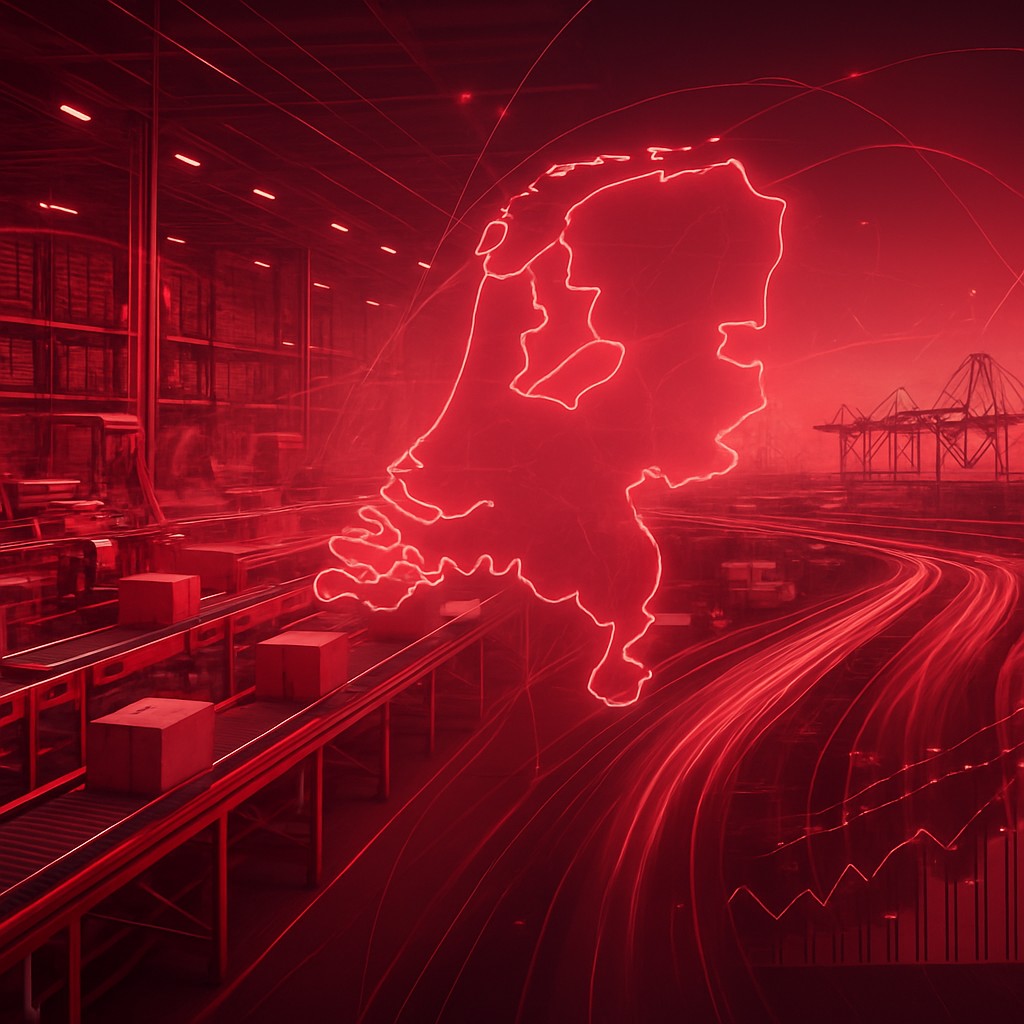
Why the Netherlands Leads European Logistics
The Netherlands has earned a global reputation as one of the world's premier logistics hubs, consistently ranking among the top countries for supply chain performance. Its strategic location at the heart of Western Europe, combined with the Port of Rotterdam, Amsterdam Airport Schiphol, and an exceptional network of roads, railways, and inland waterways, makes it an ideal base for distribution across the continent. Many multinational companies choose the Netherlands as their European distribution center for precisely these reasons.
Beyond geography, the country's logistics success stems from a highly skilled workforce, advanced infrastructure, a stable business climate, and a strong culture of innovation. These factors have nurtured a sophisticated logistics ecosystem encompassing warehousing, distribution, freight forwarding, and integrated supply chain management.
Leading Logistics Companies
Several major players define the Dutch logistics landscape. CEVA Logistics offers comprehensive contract logistics, freight management, and supply chain solutions, serving diverse industries with tailored services. DHL Supply Chain is a dominant force in warehousing and contract logistics, leveraging global expertise and local infrastructure to deliver end-to-end solutions.
Kuehne and Nagel and DB Schenker combine freight forwarding with advanced logistics and warehousing capabilities, making them trusted partners for businesses with complex international supply chains. DSV rounds out the group of global integrators with extensive transport and logistics operations throughout the country.
Among Dutch-rooted specialists, Nabuurs is highly regarded for its expertise in fast-moving consumer goods logistics and temperature-controlled distribution. Bolk Transport and Vos Logistics deliver strong road transport and logistics services across Europe, while Broekman Logistics in Rotterdam provides forwarding, warehousing, and value-added services for specialized cargo.
Rhenus Logistics operates a wide portfolio of contract logistics and freight services in the Netherlands, and Bakker Logistiek is a leader in conditioned and food logistics, known for its sustainable refrigerated distribution. These companies illustrate the depth of specialized expertise available within the Dutch logistics sector.
Core Logistics Services
Dutch logistics providers offer a broad array of services designed to optimize the flow of goods. Warehousing and distribution form the foundation, with modern facilities offering storage, order fulfillment, and inventory management. Many warehouses are strategically positioned near ports, airports, and major motorways to ensure rapid distribution across Europe.
Contract logistics and value-added services extend these capabilities, encompassing tasks such as packaging, labeling, assembly, and returns management. Freight forwarding integrates road, sea, air, and rail transport into seamless supply chains, while specialized services cater to sectors with unique requirements, including temperature-controlled logistics for food and pharmaceuticals and handling for high-value or hazardous goods.
Technology and Innovation
Innovation is central to the Dutch logistics advantage. Leading companies deploy advanced warehouse management systems, automation, robotics, and data analytics to enhance efficiency and accuracy. Real-time tracking and digital platforms give clients greater visibility and control over their supply chains, supporting informed decision-making and rapid response to disruptions.
The Netherlands is also a testbed for emerging logistics technologies, including automated guided vehicles, smart warehousing, and artificial intelligence for demand forecasting and route optimization. This embrace of technology helps Dutch logistics providers maintain their competitive edge and meet the rising expectations of global commerce.
Sustainability in Logistics
Sustainability has become a defining priority for the sector. Logistics companies are investing in electric and low-emission vehicles, energy-efficient warehouses, and modal shifts toward rail and inland waterway transport to reduce their environmental footprint. The Dutch government and industry collaborate closely on initiatives to decarbonize freight and promote circular supply chains.
These efforts reflect growing demand from clients and consumers for responsible, transparent logistics. Companies that lead in sustainability not only reduce emissions but also strengthen their long-term resilience and appeal in an increasingly environmentally conscious market.
The Strategic Advantage of Dutch Distribution
Many international companies establish their European distribution centers in the Netherlands precisely because of the strategic advantages the country provides. From a single location, businesses can reach a vast consumer market across Western Europe within hours by road, rail, or inland waterway. This proximity reduces transit times, lowers transport costs, and improves service levels for customers throughout the continent. The country's customs efficiency, advanced bonded warehousing, and value-added logistics services further streamline the import and re-export of goods. Combined with a multilingual, highly educated workforce and a transparent regulatory environment, these factors make the Netherlands an outstanding launchpad for companies seeking to scale their European operations. For many global brands, locating distribution here is not merely convenient but a decisive competitive advantage.
Choosing a Logistics Partner
Selecting the right logistics partner requires careful consideration of a company's expertise, network, technological capabilities, and industry experience. Businesses should assess whether a provider can scale with their needs, handle their specific product requirements, and offer the visibility and reliability essential to modern supply chains. Strong communication and a collaborative approach are equally important for a successful partnership.
Final Thoughts
The logistics companies highlighted here exemplify the Netherlands' position as a European and global leader in supply chain management. With world-class infrastructure, cutting-edge technology, and a steadfast commitment to sustainability, these providers deliver exceptional value to businesses of all sizes. For any company seeking efficient, reliable, and innovative logistics solutions in Europe, the Dutch logistics sector offers a compelling and dependable foundation for growth.
