
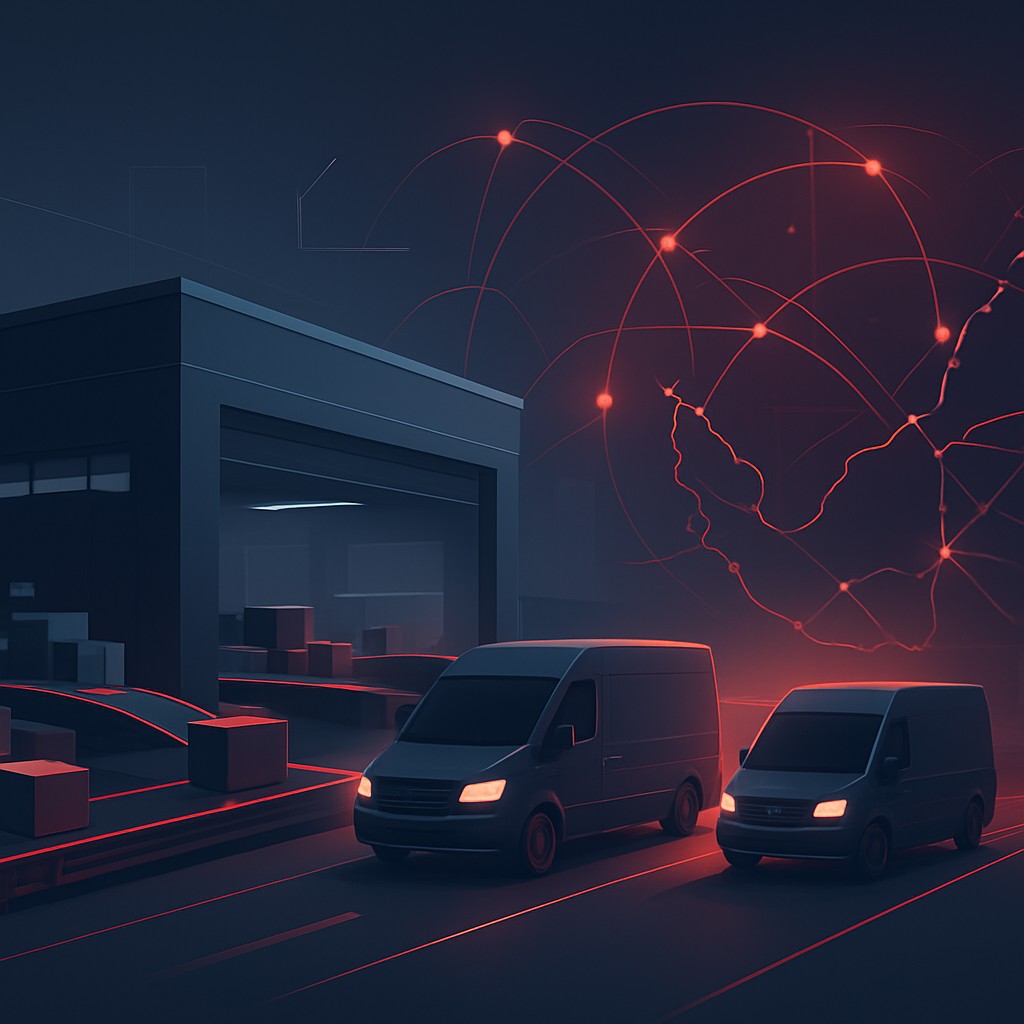
Logistics: The Engine of Modern Commerce
Logistics is the invisible force that keeps economies moving, and in Malaysia it plays an especially crucial role. As a trade-driven nation strategically positioned within Southeast Asia, the country relies on sophisticated logistics networks to connect manufacturers, retailers, and consumers both locally and globally. From warehousing and distribution to supply chain management and last-mile delivery, logistics companies ensure that goods flow smoothly through an increasingly complex marketplace.
The explosive growth of e-commerce, combined with Malaysia's strong manufacturing base, has elevated the importance of efficient logistics. Businesses now expect end-to-end solutions that are fast, transparent, and scalable, prompting providers to continually innovate and expand their capabilities.
The Hallmarks of Excellent Logistics Providers
Top logistics companies offer integrated services that cover the entire supply chain, including transportation, warehousing, inventory management, customs clearance, and distribution. Reliability and visibility are paramount, with clients expecting real-time tracking and proactive communication. Scalability is equally important, allowing businesses to adjust capacity during peak seasons or rapid growth.
Technology adoption has become a defining trait of leading providers. Automated warehouses, data analytics, and digital platforms enable greater efficiency and accuracy, while strong infrastructure and nationwide coverage ensure consistent service across regions.
Malaysia's Top Logistics Companies
Pos Malaysia, the national postal and courier operator, has evolved into a major logistics player offering parcel delivery, warehousing, and e-commerce fulfilment across the country. GDex (GD Express) is another well-established name, widely trusted for its express delivery and logistics solutions serving both businesses and consumers.
International giants maintain a strong presence as well. DHL operates extensive express, freight, and supply chain divisions in Malaysia, setting global standards for reliability. FedEx and UPS similarly serve businesses requiring fast, dependable international shipping and integrated logistics support.
Homegrown specialists such as Tasco Berhad and Swift Haulage provide comprehensive contract logistics, warehousing, and haulage services tailored to Malaysian industries. Meanwhile, e-commerce-focused players like J&T Express and Ninja Van have rapidly expanded to meet surging online shopping demand, excelling in last-mile delivery and parcel handling for digital marketplaces.
Trends Shaping the Logistics Sector
Digital transformation is at the heart of the industry's evolution. Warehouse automation, route optimisation software, and integrated tracking systems are improving speed and reducing costs. The rise of e-commerce has intensified focus on last-mile delivery, prompting investment in regional distribution centres and flexible fulfilment models.
Sustainability is also emerging as a priority, with companies adopting greener fleets and more efficient operations. Additionally, Malaysia's position within regional trade frameworks and its developing infrastructure continue to strengthen its appeal as a logistics and distribution hub for Southeast Asia.
Finding the Right Logistics Partner
The ideal logistics company depends on a business's specific requirements. E-commerce sellers may prioritise providers with strong last-mile networks and fulfilment capabilities, while manufacturers might seek partners offering warehousing, distribution, and supply chain management. Companies engaged in international trade benefit from global operators with extensive cross-border expertise.
Malaysia's logistics sector offers a rich mix of established national players, global leaders, and agile newcomers. By choosing a partner that aligns with their operational needs and growth ambitions, businesses can build resilient, efficient supply chains that keep them competitive in a fast-moving market.
