
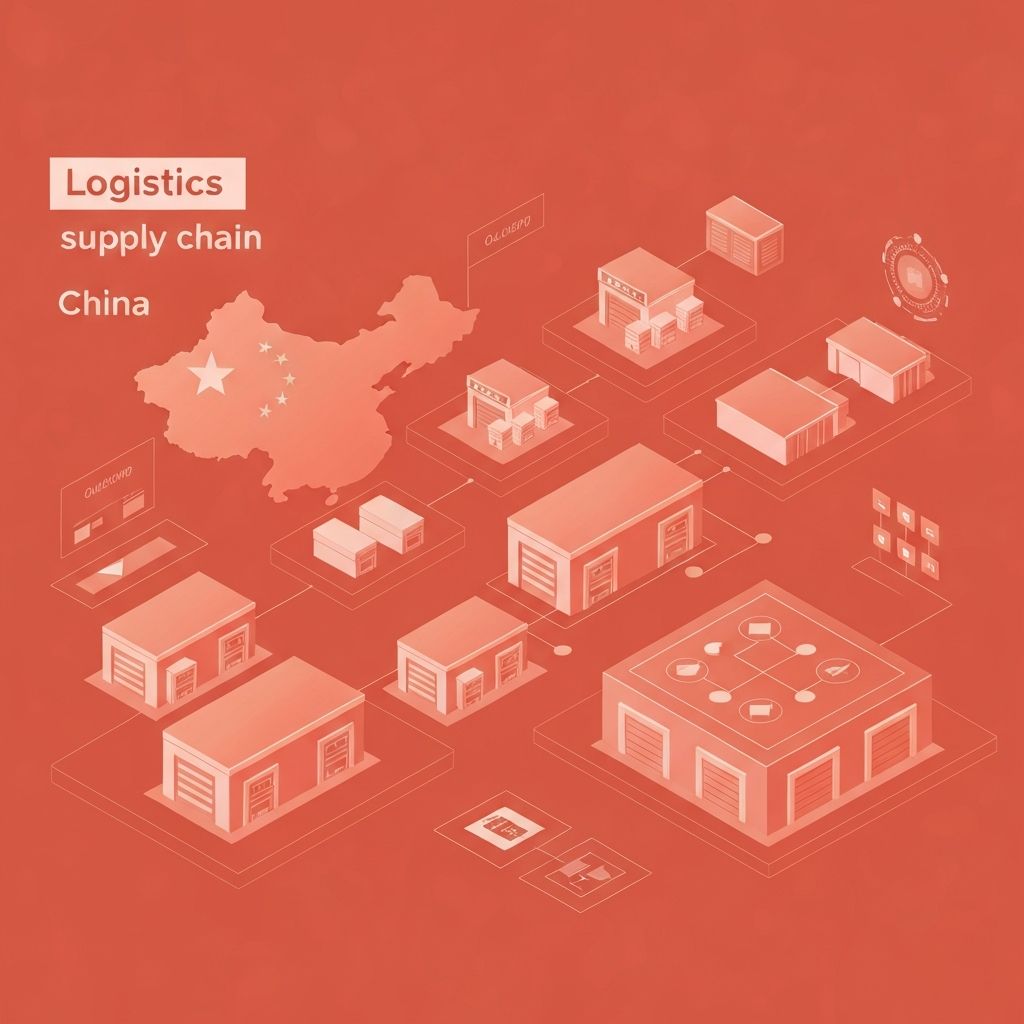
The Strategic Importance of Logistics in China
China's logistics industry has emerged as a critical enabler of economic growth, supporting the nation's position as the world's manufacturing hub and largest e-commerce market. The sector encompasses a vast ecosystem of services including transportation, warehousing, inventory management, order fulfillment, and value-added operations. Modern logistics companies have evolved far beyond simple goods movement, becoming strategic partners that optimize supply chains and create competitive advantages for their clients.
The Chinese logistics market represents one of the largest globally, with total logistics costs running into trillions of yuan annually. This scale has attracted substantial investment, fostered intense competition, and driven rapid innovation. Leading companies have developed sophisticated capabilities combining physical infrastructure with digital platforms, creating integrated solutions that meet increasingly complex customer requirements.
1. Cainiao Network
As the logistics arm of Alibaba Group, Cainiao Network has revolutionized supply chain management through its innovative platform approach. Rather than owning extensive physical assets, Cainiao orchestrates a vast network of logistics partners, leveraging data and technology to optimize end-to-end operations. The company's smart logistics platform connects millions of delivery personnel, thousands of warehouses, and countless transportation assets.
Cainiao's technological capabilities set industry standards, with artificial intelligence driving demand forecasting, inventory positioning, and routing optimization. Their global logistics network supports cross-border e-commerce, providing international merchants access to Chinese consumers and enabling Chinese sellers to reach worldwide markets.
2. JD Logistics
JD Logistics operates one of China's most extensive self-built logistics networks, distinguished by its focus on quality and speed. The company manages hundreds of warehouses strategically positioned across the country, enabling same-day and next-day delivery to most Chinese consumers. This infrastructure investment supports both JD.com's retail operations and third-party logistics services.
Technology integration reaches deep into JD Logistics operations, with automated warehouses, robotic sorting systems, and drone delivery trials demonstrating their innovation commitment. The company's cold chain capabilities have become particularly valuable as demand for fresh food and pharmaceutical logistics grows.
3. SF Supply Chain
SF Supply Chain extends the renowned SF Express brand into comprehensive logistics services, combining express delivery capabilities with warehousing, fulfillment, and supply chain consulting. The company serves demanding clients in industries including healthcare, technology, and fashion, where service quality and reliability are paramount.
Their integrated solutions approach helps clients optimize inventory across multiple channels, manage omnichannel fulfillment, and improve supply chain visibility. SF Supply Chain's premium positioning enables investment in advanced capabilities including temperature-controlled facilities and specialized handling equipment.
4. Kerry Logistics
Kerry Logistics has established a strong presence in China as part of its pan-Asian network, providing sophisticated logistics services to multinational corporations and domestic enterprises alike. The company excels in industry-specific solutions, with dedicated operations for sectors including beverages, fashion, electronics, and healthcare.
Their integrated logistics model combines freight forwarding, contract logistics, and supply chain solutions, enabling end-to-end service delivery. Kerry's extensive network across Asia positions them uniquely to support regional supply chains and cross-border trade flows.
5. DHL Supply Chain China
The China operations of DHL Supply Chain bring global expertise to the domestic market, serving multinational clients with standardized processes and local teams. The company operates modern warehousing facilities across major economic regions, providing sophisticated contract logistics services including kitting, light assembly, and returns management.
DHL's strength lies in their systematic approach to operations excellence, applying proven methodologies to continuously improve productivity and quality. Their sustainability commitment includes green building certifications, electric vehicle adoption, and carbon-neutral service options.
6. CIMC Logistics
CIMC Logistics leverages the extensive industrial ecosystem of parent company CIMC Group, specializing in logistics solutions for heavy industry, energy, and project cargo. The company's expertise in handling oversized, overweight, and complex shipments serves clients in sectors including power generation, petrochemicals, and infrastructure construction.
Their capabilities span engineering analysis, route surveys, specialized equipment provision, and complex project management. CIMC Logistics plays an essential role in China's infrastructure development and industrial equipment export initiatives.
7. YH Global
YH Global has grown rapidly to become a leading supply chain services provider, particularly strong in the electronics and e-commerce segments. The company operates extensive warehousing networks with advanced fulfillment capabilities, processing millions of orders daily for major online retailers and brand owners.
Technology differentiation includes proprietary warehouse management systems, robotic automation, and data analytics platforms. YH Global's ability to handle peak season volumes, particularly during events like Singles' Day, demonstrates operational excellence and scalability.
8. Suning Logistics
Suning Logistics evolved from supporting Suning's retail operations to become a comprehensive third-party logistics provider. The company's network includes large-scale distribution centers, urban fulfillment facilities, and last-mile delivery capabilities. Their infrastructure enables rapid delivery of both large appliances and small parcels.
Integration with Suning's retail ecosystem provides synergies while third-party services expand revenue opportunities. The company continues investing in automation and facility expansion to enhance capacity and capability.
9. PGL
PGL operates as a major contract logistics provider, offering warehousing and distribution services to clients across diverse industries. The company's facilities feature modern automation systems and flexible configurations that accommodate varying client requirements. Their service portfolio includes value-added services such as packaging, labeling, and quality inspection.
PGL's customer-centric approach emphasizes partnership models where they embed within client operations, providing dedicated resources and customized solutions. This approach has generated long-term relationships with leading brands and manufacturers.
10. Gooday Logistics
Gooday Logistics specializes in integrated supply chain services for the retail and consumer goods sectors. The company provides comprehensive solutions spanning procurement logistics, distribution center operations, and store delivery. Their expertise helps retailers optimize inventory investment while maintaining high product availability.
The company's retail logistics experience informs sophisticated approaches to promotional event support, seasonal inventory management, and multi-format distribution. Their technology platforms provide visibility and control across complex retail supply chains.
Evolution of Chinese Logistics Excellence
China's logistics industry continues advancing rapidly, driven by e-commerce growth, manufacturing evolution, and rising service expectations. Leading companies are investing in next-generation capabilities including autonomous vehicles, drone delivery, and artificial intelligence applications. The integration of blockchain technology promises enhanced supply chain transparency and security.
Environmental sustainability has become increasingly important, with companies adopting electric vehicles, optimizing transportation efficiency, and implementing green facility standards. Government policies supporting logistics industry development, including infrastructure investment and regulatory modernization, create favorable conditions for continued growth and innovation.
