
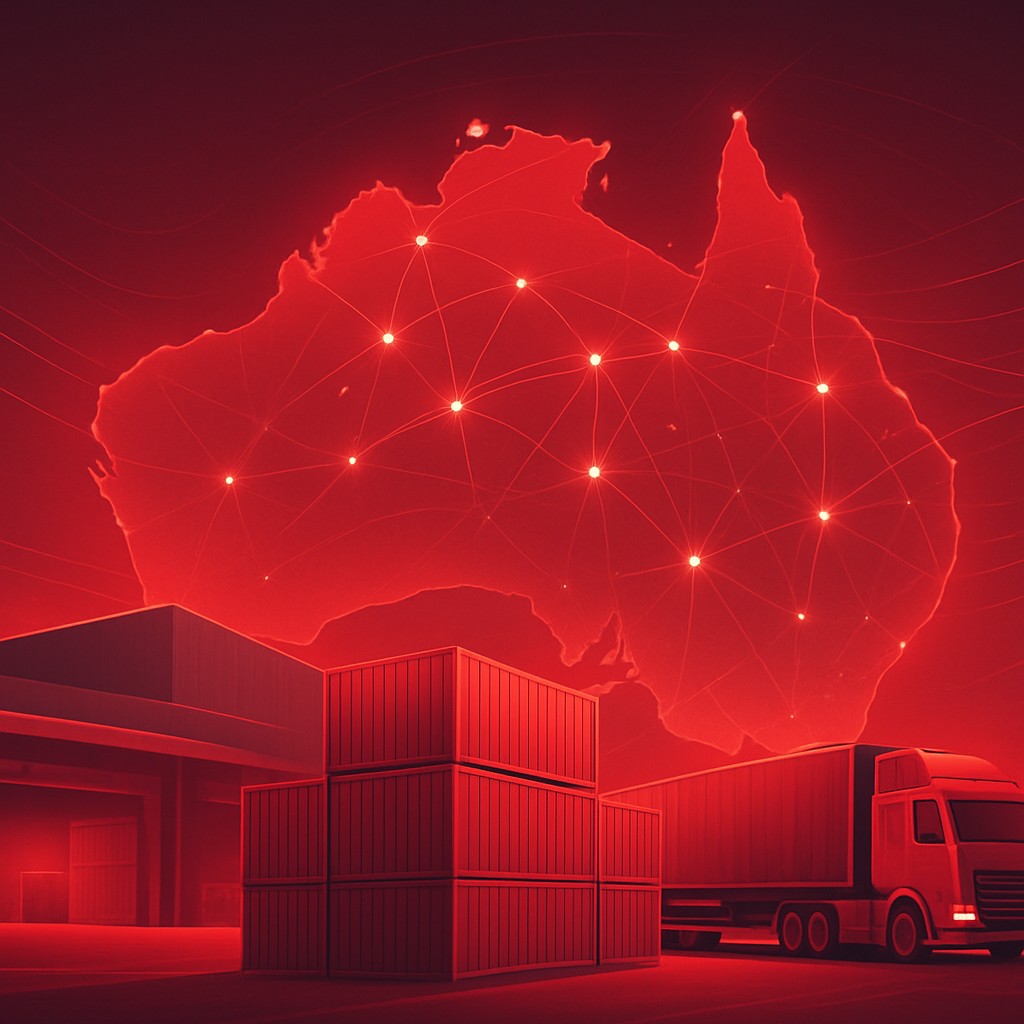
Logistics: Powering Modern Supply Chains
Logistics is the invisible force that keeps Australia's economy moving, coordinating the storage, handling, and movement of goods from manufacturers and importers to businesses and consumers. In a country characterised by long distances, diverse industries, and a booming e-commerce sector, sophisticated logistics services are indispensable. Leading logistics companies do far more than transport goods; they design and manage entire supply chains, integrating warehousing, inventory management, distribution, and technology to deliver efficiency, reliability, and competitive advantage to their clients.
What Sets a Top Logistics Company Apart
The best logistics providers offer comprehensive, end-to-end solutions tailored to the unique needs of each business. They combine extensive infrastructure, including strategically located warehouses and distribution centres, with advanced technology platforms that provide visibility and control across the supply chain. Reliability, scalability, and flexibility are crucial, as is a strong commitment to safety and compliance. Exceptional customer service, data-driven decision making, and the ability to adapt to changing market conditions distinguish industry leaders from the rest.
The Top 10 Logistics Companies
Toll Group stands as one of Australia's most comprehensive logistics providers, offering integrated supply chain, freight, and warehousing services across the region. Linfox is a leading supply chain specialist renowned for its expertise in retail, industrial, and resources logistics. DHL Supply Chain Australia brings global capabilities and advanced technology to contract logistics and warehousing.
Kuehne+Nagel Australia excels in sea, air, and contract logistics, supported by a strong international network. DB Schenker Australia provides integrated logistics solutions with a focus on innovation and reliability. CEVA Logistics offers tailored supply chain services across multiple industries with a strong contract logistics presence.
DSV Australia delivers comprehensive freight forwarding and logistics solutions backed by global scale. Followmont Transport combines logistics with regional distribution excellence across the eastern states. Mainfreight is respected for its integrated logistics, warehousing, and transport services with a customer-centric culture. Completing the list, efm Logistics Services specialises in managed freight and supply chain solutions for businesses seeking outsourced expertise.
Core Logistics Services
Modern logistics encompasses a broad spectrum of services. Warehousing and distribution form the foundation, with companies operating large facilities equipped for storage, picking, packing, and dispatch. Freight forwarding manages the international and domestic movement of goods across air, sea, road, and rail. Inventory management, order fulfilment, and reverse logistics for returns are increasingly important, particularly for e-commerce. Many providers also offer value-added services such as labelling, kitting, and customs brokerage, delivering truly integrated solutions.
Technology and Innovation
Technology is at the heart of modern logistics. Warehouse management systems, transport management platforms, and real-time tracking provide end-to-end visibility and control. Automation, including robotics and automated storage and retrieval systems, is boosting efficiency in large distribution centres. Data analytics and artificial intelligence enable demand forecasting, route optimisation, and smarter inventory decisions. Integration with clients' systems through digital portals and application interfaces creates seamless, transparent supply chains that respond quickly to changing conditions.
The Impact of E-Commerce
The rapid growth of online shopping has profoundly reshaped the logistics industry in Australia. Consumers now expect fast, reliable, and trackable delivery, placing enormous pressure on fulfilment and last-mile networks. Logistics companies have responded by expanding distribution footprints, investing in automation, and developing flexible delivery options. Same-day and next-day delivery, click-and-collect, and efficient returns handling have become key differentiators. This shift continues to drive innovation and investment across the sector.
Sustainability in Logistics
Environmental responsibility is increasingly central to logistics strategy. Companies are adopting electric and low-emission vehicles, optimising warehouse energy use, and designing networks to minimise transport distances and emissions. Sustainable packaging, load consolidation, and modal shifts toward rail all contribute to greener supply chains. Clients are placing growing importance on the environmental credentials of their logistics partners, making sustainability both an ethical imperative and a competitive advantage.
Choosing the Right Logistics Partner
Selecting a logistics provider requires careful consideration of your business needs, including the scale and complexity of your supply chain, geographic reach, and growth ambitions. Evaluate the provider's infrastructure, technology capabilities, industry experience, and service flexibility. Strong communication, transparent pricing, and a proven track record are essential. For businesses with specialised requirements, such as temperature-controlled or hazardous goods, confirm that the provider has the relevant expertise and compliance credentials.
The Future of Logistics in Australia
The logistics sector is poised for continued transformation as technology, consumer expectations, and sustainability priorities reshape the industry. Automation and robotics will increasingly handle repetitive warehouse tasks, while artificial intelligence refines demand forecasting and route planning. The expansion of micro-fulfilment centres closer to population hubs will accelerate last-mile delivery, and electric delivery fleets will reduce the environmental footprint of urban distribution. Greater supply chain visibility, driven by data and connected systems, will help businesses anticipate disruptions and respond with agility. Companies that invest in these capabilities will be best positioned to meet rising customer demands, support economic growth, and maintain resilient supply chains in an increasingly complex and fast-moving marketplace.
Conclusion
Logistics companies are the architects of efficient supply chains that keep Australian businesses competitive and consumers satisfied. Global leaders such as Toll Group, Linfox, and DHL Supply Chain offer comprehensive, technology-driven solutions, while specialists like Mainfreight and efm Logistics deliver tailored expertise. As e-commerce, technology, and sustainability continue to transform the industry, partnering with a capable and forward-thinking logistics provider is more important than ever for long-term success.
