
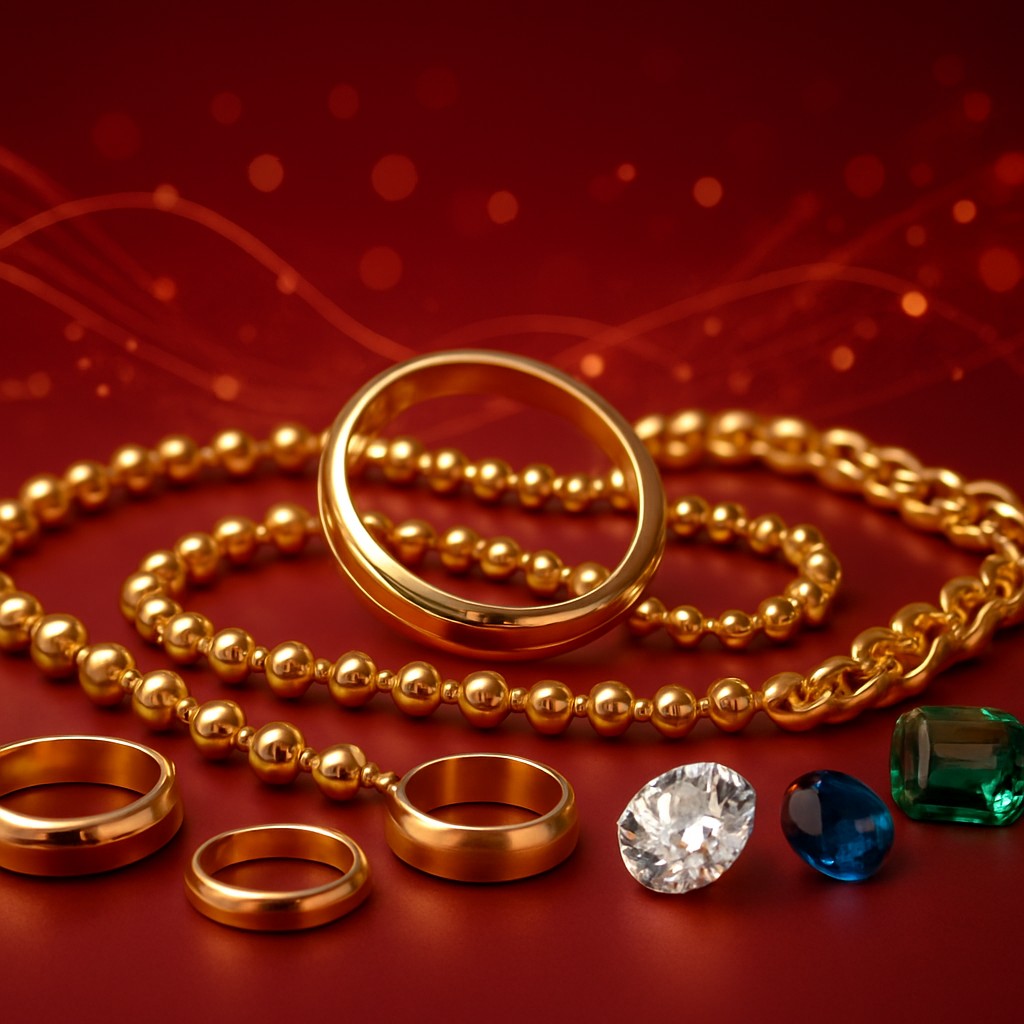
An Overview of Ghana's Jewelry Wholesale Industry
Ghana has long been associated with gold, earning its historical name as the Gold Coast. Today, that legacy continues through a thriving jewelry wholesale industry that supplies retailers, boutiques, and individual artisans across the country. Wholesalers play a critical role in the value chain, bridging the gap between raw material sourcing, manufacturing, and the showrooms where consumers ultimately make their purchases. From traditional Akan gold ornaments to contemporary fashion jewelry, the wholesale market caters to a remarkably diverse customer base.
The demand for jewelry in Ghana is driven by cultural celebrations, weddings, naming ceremonies, and festivals where gold and beaded adornments hold deep symbolic meaning. As a result, wholesalers must maintain consistent inventory, competitive pricing, and reliable quality to remain relevant in a fast-moving marketplace.
What Sets a Great Jewelry Wholesaler Apart
Top wholesalers distinguish themselves through several key factors. Authenticity and purity certification are essential, particularly for gold products where customers expect transparency about karat values. Bulk pricing flexibility allows retailers to maintain healthy margins, while a broad product range ensures that buyers can source everything from precious metals to costume pieces in one place.
Reliability of supply is another major differentiator. Retailers depend on wholesalers who can fulfill large orders quickly, especially during peak seasons such as Christmas, Easter, and the wedding months. Wholesalers who invest in customer relationships, offer credit terms, and provide design consultation tend to build the strongest reputations.
Leading Jewelry Wholesalers Serving Ghanaian Retailers
Several established names have earned strong reputations within the Ghanaian jewelry trade. Goldsmiths concentrated in Accra's commercial districts have built long-standing reputations for handcrafted gold ornaments, while bead specialists in the Eastern Region supply the vibrant Krobo glass beads that are prized both locally and internationally. Wholesalers operating out of Kumasi serve the Ashanti Region's deep cultural connection to gold regalia.
Beyond traditional gold, a new generation of wholesalers focuses on imported fashion jewelry, stainless steel pieces, and silver collections that appeal to younger, style-conscious consumers. These businesses often combine physical showrooms with growing online catalogues, allowing retailers from across the country to place orders efficiently.
The Role of Traditional Craftsmanship
Ghanaian jewelry wholesale is inseparable from the country's artisanal heritage. The lost-wax casting techniques used to create intricate gold pieces have been passed down through generations of goldsmiths. Many wholesalers maintain close partnerships with these artisans, ensuring that authentic, handcrafted designs continue to reach the market alongside mass-produced imports.
Krobo beads, made from recycled glass, represent another uniquely Ghanaian product that wholesalers distribute widely. These beads carry cultural significance and have found a growing audience among international buyers seeking sustainable, ethically produced accessories.
Trends Shaping the Wholesale Jewelry Market
The Ghanaian jewelry wholesale sector is evolving rapidly. Sustainability has become a notable trend, with recycled materials and ethically sourced gold gaining favor among conscious consumers. Digital transformation is also reshaping the industry, as wholesalers adopt social media marketing, online ordering systems, and digital payment options to reach a wider audience.
Customization is increasingly important, with retailers requesting bespoke designs to differentiate their offerings. Wholesalers who can accommodate small-batch custom production while maintaining competitive pricing are well positioned for growth. Additionally, the rise of fashion jewelry has expanded the market beyond precious metals, opening opportunities for affordable, trend-driven products.
Challenges Facing the Industry
Despite its strengths, the wholesale jewelry industry in Ghana faces challenges. Fluctuating global gold prices directly affect inventory costs and pricing strategies. Counterfeit products and inconsistent quality standards can undermine consumer trust, making certification and transparency essential. Access to financing remains a hurdle for smaller wholesalers seeking to expand their operations.
Currency volatility also influences the cost of imported jewelry and raw materials, requiring wholesalers to manage their supply chains carefully. Those who navigate these challenges through diversification and strong supplier relationships tend to maintain their competitive edge.
How Retailers Can Choose the Right Wholesale Partner
For retailers, selecting the right wholesale partner is a strategic decision. Buyers should evaluate product authenticity, pricing structures, minimum order requirements, and the wholesaler's reputation within the trade. Visiting showrooms, requesting samples, and verifying gold purity are practical steps toward building a reliable supply relationship.
Strong communication and after-sales support also matter. A wholesaler who responds quickly to inquiries, honors agreements, and offers consistent quality becomes a valuable long-term partner. Retailers should also consider whether the wholesaler can scale with their business as demand grows.
Conclusion
Ghana's jewelry wholesale industry stands at the intersection of cultural heritage and modern commerce. The leading wholesalers combine authentic craftsmanship, reliable supply, and competitive pricing to serve a vibrant retail market. As consumer tastes evolve and digital channels expand, the wholesalers who embrace innovation while honoring tradition will continue to shine. For retailers seeking quality and dependability, partnering with a reputable jewelry wholesaler remains one of the most important decisions in building a successful business.
