
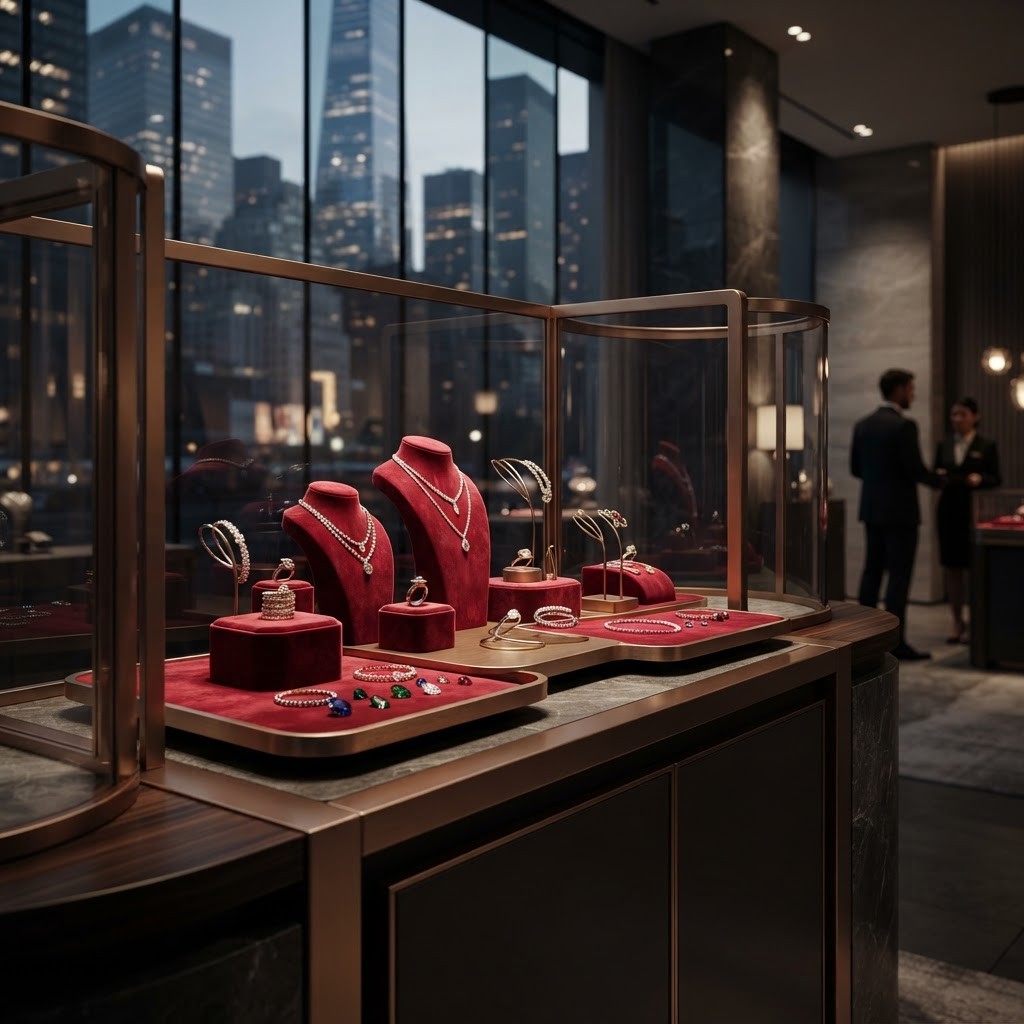
Finding the Best Options in New York
New York’s jewelry scene ranges from Fifth Avenue institutions to independent studios producing small batches by hand. The city is an important center for diamond trading, design, craftsmanship, and fashion, giving shoppers access to heirloom-level pieces as well as inventive everyday jewelry.
Buyers are showing greater interest in traceable materials, recycled metals, distinctive colored stones, personalization, and designs that can be worn frequently. The old division between fine jewelry and fashion jewelry is also softening as customers mix precious pieces with expressive contemporary work.
What Makes a Brand or Store Stand Out
Quality is only one part of a useful recommendation. Selection, consistency, service, value, product knowledge, and relevance to New York life all matter. A premium name may justify its price through materials and aftercare, while an accessible brand may stand out by making good design available to more people. The following list is not a rigid ranking; it is a practical guide to ten established choices with different strengths.
1. Tiffany & Co.
Tiffany & Co. is inseparable from New York jewelry history. Celebrated for diamonds, sterling silver, engagement rings, and recognizable design collections, it offers consistent craftsmanship and a powerful sense of occasion.
2. David Yurman
David Yurman is known for sculptural cable motifs, mixed metals, gemstones, and substantial everyday luxury. The designs are recognizable without being limited to formal events.
3. Harry Winston
Harry Winston represents the highest level of diamond and gemstone jewelry. Exceptional stones, precise settings, and an emphasis on rarity make the house a destination for major acquisitions and important celebrations.
4. Judith Ripka
Judith Ripka combines textured metalwork, gemstones, and bold proportions. Many pieces are designed to make fine jewelry feel wearable, layered, and expressive rather than reserved for special occasions.
5. Jennifer Fisher
Jennifer Fisher helped shape the modern preference for clean hoops, chains, and strong minimal forms. Her jewelry works particularly well with the city’s mix of denim, tailoring, and evening dressing.
6. Catbird
Catbird is associated with delicate stacking rings, fine chains, small charms, and intimate Brooklyn craftsmanship. The brand is a favorite for personal gifts and subtle pieces intended to be worn daily.
7. Foundrae
Foundrae creates symbolic medallions, chains, and rings inspired by personal values and milestones. Rich enamel, gold, and layered storytelling give the pieces a collectible character.
8. Anna Sheffield
Anna Sheffield offers unconventional fine jewelry, including distinctive engagement rings with colored stones and alternative diamond arrangements. The work appeals to buyers who want tradition interpreted through an artistic lens.
9. Mateo
Mateo is admired for refined geometric jewelry that often pairs pearls, diamonds, and colored stones with clean gold settings. The balance of restraint and visual interest makes the designs highly versatile.
10. Bing Bang
Bing Bang brings a downtown sensibility to compact hoops, rings, chains, and playful motifs. The brand is approachable for customers building a layered jewelry wardrobe.
How to Choose the Right Option
Before purchasing, consider metal purity, stone treatment, resizing options, care requirements, and how the piece fits an existing wardrobe. For major diamonds or gemstones, documentation and transparent grading are essential. The strongest choice is not necessarily the most expensive; it is the piece whose craftsmanship, meaning, and wearability justify its place in the owner’s life.
Shopping Smarter in New York
Inventory and service can differ by location, so it is worth confirming that a shop carries the category, size, model, or service needed before making a special trip. Compare total value rather than price alone, including durability, maintenance, warranty support, alterations, delivery, or returns where relevant. New York offers exceptional choice, but a focused list and a clear budget make that choice easier to navigate.
Seasonality also matters. New collections and limited releases can create excitement, while end-of-season periods may offer better value. Whenever possible, inspect materials and construction in person, ask specific questions, and avoid feeling pressured by scarcity. The best purchase is one that remains useful after the novelty of the shopping experience fades.
Understanding Value Beyond the Price Tag
New York shoppers encounter everything from entry-level essentials to rare luxury products, and a higher price does not automatically guarantee a better personal fit. Value comes from the relationship between cost, frequency of use, construction, comfort, and support after purchase. A product used weekly for years may be more economical than an inexpensive alternative replaced several times. Conversely, occasional users may reasonably prefer a simpler option that performs the core task well.
Look closely at the details that reveal care: secure seams and fastenings, consistent finishing, sensible materials, clear instructions, and staff who can explain differences without relying on vague claims. Ask what maintenance is required and whether replacement parts, repairs, refills, or specialist services are available. These questions are especially important in New York, where storage is limited and disposing of a disappointing purchase can be inconvenient. Thoughtful comparison also reduces impulse buying. Take notes or photographs where permitted, step away when uncertain, and evaluate the choice against what is already owned. A strong brand earns trust through consistent experience rather than a single impressive display.
Why Local Context Matters
New York’s density creates unusually demanding conditions and unusually broad choice. Weather, walking, apartment dimensions, neighborhood access, and crowded public transportation can all influence whether a purchase succeeds in daily life. Recommendations should therefore be treated as a starting point. The most satisfying option will combine the reputation of the business with the buyer’s own priorities, routines, and practical constraints.
