
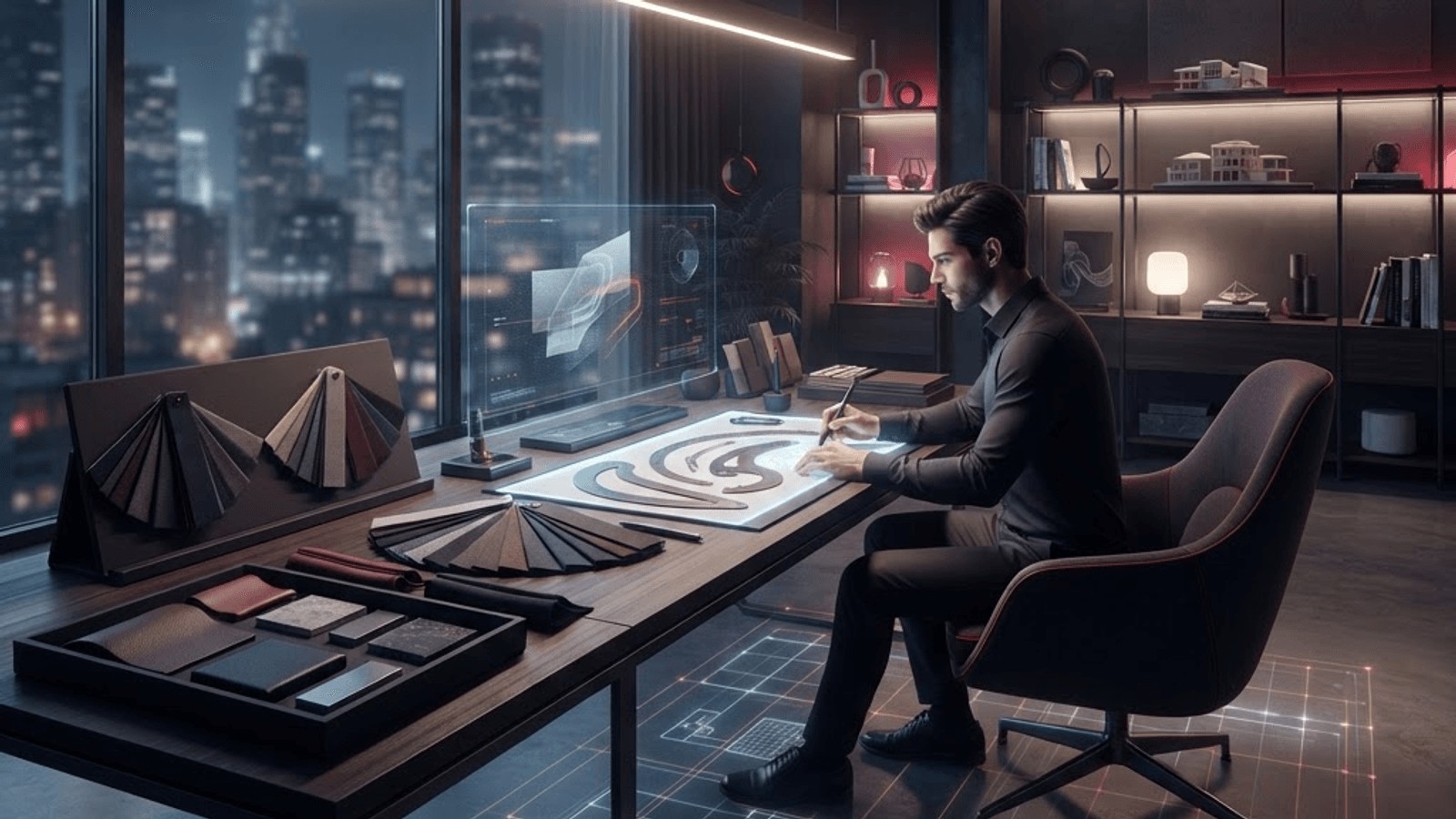
The Character of Design in the Capital Region
Interior design in Washington is shaped by its building stock. Much of the residential inventory dates from the late nineteenth and early twentieth centuries, which means designers here spend a great deal of time working with plaster walls, original moldings, transoms, coal fireplaces, and rooms that were never intended to accommodate open-plan living or modern kitchens. Layered onto that is a client base of attorneys, diplomats, physicians, executives, and academics who tend to prefer timeless interiors that will still feel appropriate a decade from now.
The result is a design culture known for restraint, quality materials, and craftsmanship rather than novelty. That does not mean the work is conservative. Some of the most inventive color, art, and furniture curation in the country happens in Washington townhouses, but it is usually deployed within a disciplined architectural framework. The firms below represent the range of that approach.
1. Zoe Feldman Design
Zoe Feldman Design is recognized for interiors that mix classic bones with unexpected color, pattern, and vintage finds. The studio frequently takes on full-house renovations, working closely with architects and contractors on kitchens, baths, and millwork rather than treating decoration as a separate final layer. Clients tend to hire the firm when they want a home that feels collected and personal instead of catalog-perfect.
2. Darryl Carter Inc.
Darryl Carter is closely associated with a distinctly American, monochromatic aesthetic built on architectural clarity, antique furniture, and a controlled palette of whites, greys, and warm browns. The firm's projects emphasize proportion, negative space, and the quality of individual pieces. This is a strong fit for owners of significant historic properties who want serenity rather than saturation.
3. Marika Meyer Interiors
Marika Meyer Interiors produces layered, textile-rich interiors informed by the designer's background in textile design. The studio develops its own fabric and wallcovering collections, which allows for a level of customization uncommon at its scale. Projects often include custom upholstery, window treatments, and coordinated pattern schemes across connected rooms.
4. Lorna Gross Interior Design
Lorna Gross Interior Design is known for sophisticated, art-forward interiors with a strong sense of narrative. The firm works across residential and boutique commercial projects and pays particular attention to how a room supports gathering and entertaining. Bold color used with confidence, sculptural lighting, and thoughtful integration of clients' art collections are recurring signatures.
5. Anthony Wilder Design/Build
Anthony Wilder Design/Build combines architecture, interior design, and construction under one roof. For clients undertaking substantial additions or whole-house renovations, that integration reduces coordination risk and keeps design intent intact through construction. The firm has extensive experience with permitting and historic review in the District and surrounding jurisdictions.
6. Nestlewood Interiors
Nestlewood Interiors focuses on family homes that need to be genuinely livable, using durable performance fabrics, practical storage, and forgiving finishes without sacrificing style. The studio is a common choice for young families renovating rowhouses and bungalows who want a polished result that will withstand daily use.
7. Kelley Proxmire Interior Design
Kelley Proxmire Interior Design is a long-established studio recognized for crisp, classic interiors with confident color and pattern, often in blue-and-white schemes, chinoiserie accents, and traditional silhouettes updated for contemporary comfort. The firm's showhouse work has made it a reference point for traditional design in the region.
8. Bossy Color
Bossy Color, led by an artist-designer, is unapologetically expressive, using paint, mural work, and saturated palettes to transform ordinary rooms. Clients come to this type of studio when they want personality and are willing to commit to a strong point of view. The firm also consults on color strategy for clients managing their own renovations.
9. Michael Hampton Design
Michael Hampton Design produces tailored, transitional interiors with careful attention to scale in small urban spaces. The studio has strong experience in condominiums and pieds-a-terre where every square foot must be resolved, integrating custom cabinetry and built-ins to solve storage without visual clutter.
10. Studio Santalla
Studio Santalla bridges architecture and interiors with a modernist sensibility that respects context. The firm is known for clean detailing, restrained material palettes, and skillful insertion of contemporary elements into historic shells, including glass, steel, and sculptural stairs. It is a frequent choice for clients who want a modern intervention that does not feel at odds with an older building.
Understanding Design Fees and Process
Interior design engagements in Washington typically follow one of several fee structures. Hourly billing is common for smaller or open-ended scopes. Flat fees per room or per project provide budget certainty and are popular for full renovations. Some firms use a cost-plus model on furnishings, adding a percentage to trade pricing, while others charge a percentage of the overall project cost. Many begin with a paid discovery meeting followed by a proposal that defines deliverables such as concept boards, floor plans, elevations, millwork drawings, procurement management, and installation.
A typical project moves through programming, concept design, design development, documentation, procurement, construction administration, and final styling. Lead times matter: custom upholstery, imported tile, and cabinetry can require several months, so early decision-making protects the schedule. Realistic budgeting is equally important; furnishing a full home to a high standard costs considerably more than most first-time clients anticipate.
Current Trends in Washington Interiors
Warm minimalism has largely replaced cool grey neutrals, with plaster finishes, natural stone, oak, and clay tones dominating. Kitchens are trending toward furniture-like cabinetry, unlacquered brass, and integrated appliances. Dedicated home offices and flexible multipurpose rooms remain a priority. There is also growing interest in vintage and antique sourcing, both for sustainability reasons and because older pieces add depth that new furniture cannot replicate. Finally, clients increasingly ask about material health, requesting low-VOC finishes and natural fibers.
How to Choose the Right Firm
Start by identifying firms whose completed work resembles the outcome you want, since most designers do their best work within their established language. Confirm scope alignment: a decoration-focused studio may not be equipped to run a structural renovation, and a design-build firm may be more than a furnishing project requires. Ask about team structure, communication cadence, and how change orders and overages are handled. Request references from clients whose projects were comparable in budget and complexity, and make sure your budget expectations are stated openly at the first meeting.
Final Thoughts
Washington's best interior design firms share a respect for architecture and a commitment to quality execution, even as their aesthetics range from monochromatic restraint to exuberant color. Whether the project is a historic townhouse restoration, a compact condominium, or a family home built for daily wear, the right partner is the one whose portfolio, process, and pricing structure match your goals. Investing time in that selection is what turns a renovation into an interior that continues to feel right for years.
