
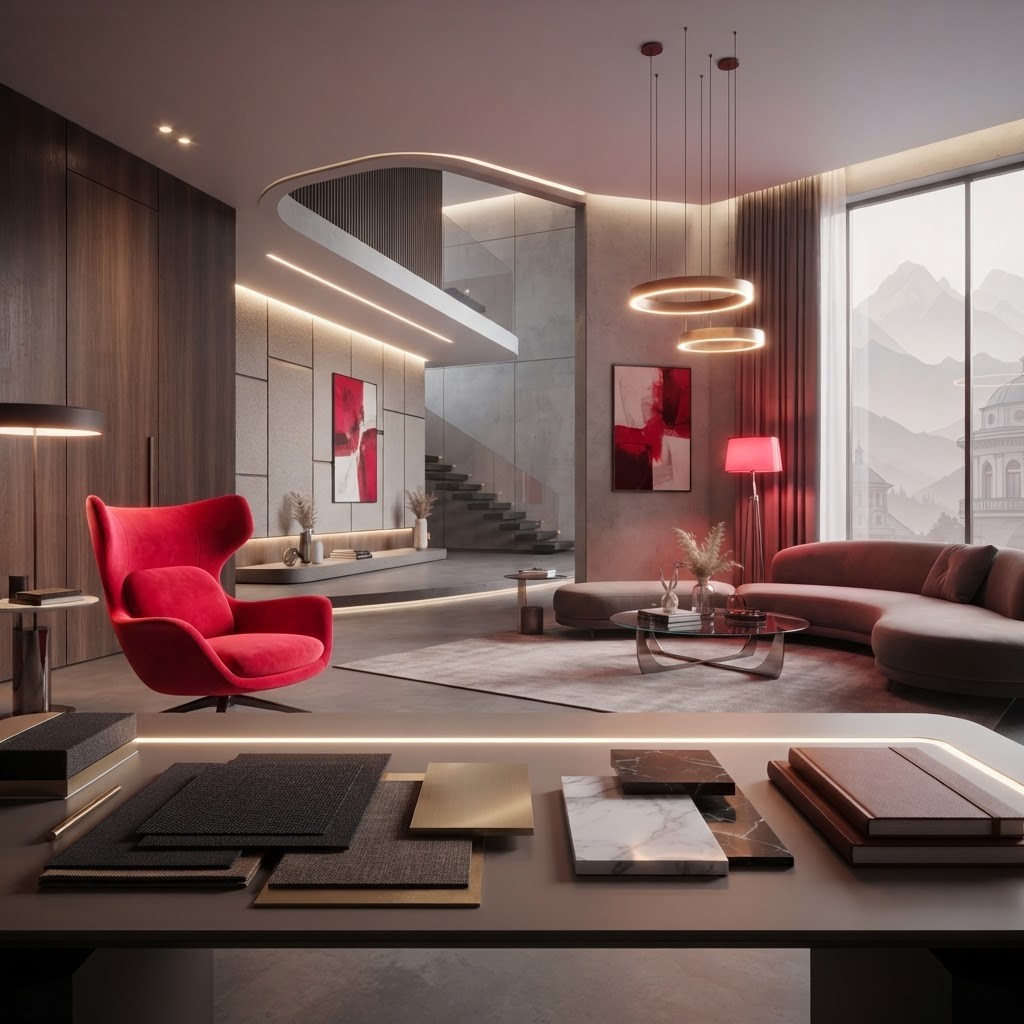
A Flourishing Design Culture
Interior design in Slovakia has evolved into a vibrant and confident discipline. Once shaped heavily by functional, budget-conscious priorities, the country's design scene now embraces individuality, craftsmanship and a distinct sense of place. Slovak interior design firms draw on a rich blend of Central European tradition, Scandinavian minimalism and contemporary global trends, producing interiors that are both beautiful and deeply livable.
This maturation reflects broader social changes. As disposable incomes rise and homeownership expands, clients increasingly view their homes and workspaces as expressions of identity and wellbeing. Businesses, too, recognize that thoughtfully designed offices, restaurants and retail spaces can enhance productivity, brand perception and customer experience. Interior designers have stepped into this expanding role with creativity and professionalism.
What Defines Excellence in Interior Design
The finest interior design firms balance aesthetics with function. They listen carefully to clients, translating lifestyles, aspirations and practical needs into cohesive spatial concepts. Beyond selecting colors and furniture, they consider lighting, acoustics, ergonomics, storage and the subtle emotional qualities that make a space feel right.
Technical competence is equally vital. Leading firms manage projects end to end, coordinating architects, contractors and artisans while adhering to budgets and timelines. Increasingly, they integrate sustainable materials, energy-efficient solutions and smart-home technology, meeting rising client expectations for responsible and future-ready design.
Ten Firms at the Forefront
1. Ateliér Šujan is celebrated for refined residential interiors that marry clean lines with warmth, creating timeless spaces that age gracefully.
2. Studio JRKVC is known for architecturally driven interiors that emphasize light, proportion and the honest use of materials.
3. Modelina-inspired local practice Plusminus Architects brings a bold, contemporary sensibility to both homes and commercial spaces, favoring striking yet functional design.
4. GutGut has earned acclaim for transforming existing structures through inventive interior interventions, blending heritage with modern living.
5. Sadovsky & Architects delivers elegant, detail-rich interiors, particularly for premium residential clients seeking understated luxury.
6. Nice Architects combines innovation with practicality, exploring flexible, adaptable interiors suited to modern lifestyles.
7. Vrtal Studio focuses on cozy, human-centered interiors with a strong emphasis on natural materials and tactile comfort.
8. Kilo/Honč is respected for hospitality and commercial interiors, crafting atmospheric restaurants, cafés and retail environments that draw people in.
9. Compass Architekti brings a holistic approach, integrating interior design with architecture to ensure seamless, coherent results.
10. DF Creative Group rounds out the list with versatile expertise spanning residential, office and public interiors, valued for reliability and creative range.
The Design Process
A typical interior design project unfolds in structured phases. It begins with discovery, during which the designer explores the client's needs, preferences and budget. Concept development follows, producing mood boards, layouts and material palettes that establish the project's direction. Once the vision is approved, detailed design translates ideas into precise plans, specifications and visualizations.
Implementation is where expertise truly matters. Designers oversee procurement, coordinate trades and manage installation, resolving the inevitable challenges that arise on site. The result is a finished space that reflects the original vision while functioning flawlessly in daily use.
Trends Shaping Slovak Interiors
Several trends define contemporary Slovak interior design. Warm minimalism, characterized by clean forms softened by natural textures, remains highly popular. Biophilic design, which brings greenery and natural light indoors, responds to growing interest in wellbeing. Locally sourced materials and craftsmanship are increasingly prized, reflecting pride in regional heritage and a desire for authenticity.
Sustainability is now a central concern rather than an afterthought. Designers specify durable, responsibly produced materials and prioritize energy efficiency. Meanwhile, smart-home integration is becoming standard in higher-end projects, seamlessly embedding technology into elegant interiors.
Selecting the Right Firm
Choosing an interior design partner is a personal decision. Clients should seek a firm whose portfolio resonates with their taste and whose communication style inspires confidence. Reviewing completed projects, understanding the fee structure and clarifying the scope of services all contribute to a successful collaboration.
Ultimately, a skilled interior designer does more than decorate; they enhance how people live and work. In Slovakia's dynamic design landscape, the leading firms combine artistry, technical mastery and genuine care for their clients, transforming ordinary spaces into environments that inspire and endure.
Interior Design for Commercial Success
While residential projects capture much attention, commercial interior design plays an equally important role in Slovakia's evolving economy. Restaurants, cafés, hotels, offices and retail stores increasingly recognize that their physical environment shapes customer perception and staff wellbeing. A thoughtfully designed workplace can boost productivity, aid recruitment and reinforce company culture, while an atmospheric restaurant or shop can transform casual visitors into loyal customers.
Slovak design firms have responded by developing strong commercial expertise, balancing brand identity with practical requirements such as durability, flow and compliance. They understand that commercial spaces must perform under heavy daily use while still delivering a distinctive experience. This blend of creativity and pragmatism has helped elevate the standard of hospitality and workplace design across the country.
Budgeting Wisely
A common misconception is that professional interior design is affordable only to the wealthy. In reality, skilled designers work across a wide range of budgets, and their expertise often prevents costly mistakes. By planning carefully, sourcing intelligently and prioritizing high-impact elements, a good designer can stretch a modest budget further than an untrained client could alone. Clear communication about budget from the outset ensures the designer proposes realistic, achievable solutions that deliver lasting value.
