
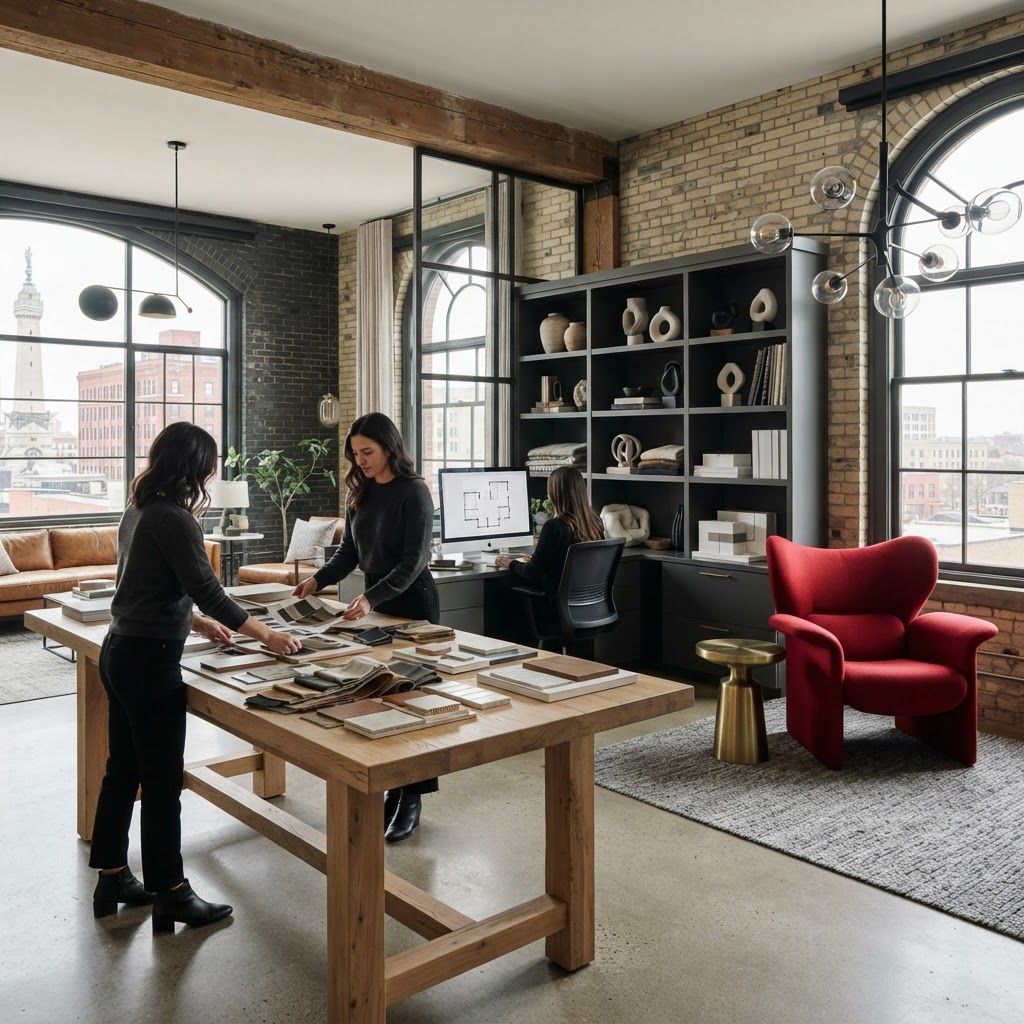
Indianapolis Design Culture
Indianapolis boasts a rich and growing design community that blends Midwestern warmth with sophisticated contemporary sensibilities. The city's diverse architecture, ranging from stately historic homes in Meridian-Kessler to modern downtown lofts and expansive suburban residences, provides a canvas for talented interior designers to showcase their range. Whether reviving a century-old bungalow or outfitting a new commercial headquarters, the city's top design firms bring vision, technical expertise, and meticulous attention to detail.
As Indianapolis has grown and attracted new residents and businesses, demand for professional interior design has flourished. Homeowners seek designers to create personalized, functional spaces, while businesses recognize that thoughtful interiors enhance productivity, brand identity, and customer experience.
What Interior Design Firms Offer
Full-service interior design firms guide clients through every phase of a project, from initial concept to final installation. Services typically include space planning, material and finish selection, custom furniture design, lighting design, and procurement of furnishings and decor. Many firms also manage the construction and installation process, coordinating with contractors and tradespeople to ensure the design is executed flawlessly.
Designers bring value that extends beyond aesthetics. They solve functional challenges, optimize layouts for how people actually live and work, and help clients avoid costly mistakes. Their industry relationships also provide access to trade-only resources, custom pieces, and skilled craftspeople that are unavailable to the general public.
Firms Shaping the Local Scene
Indianapolis is home to a number of respected interior design firms serving residential and commercial clients. Studios such as Haus Interior Design, Jenny Johnston Interior Design, and various boutique practices have built loyal followings through their distinctive styles and dedicated client service. Larger architecture and design firms in the city offer integrated commercial interior services for offices, healthcare facilities, and hospitality projects.
These firms span a wide range of aesthetics, from classic and transitional to modern and eclectic, ensuring that clients can find a designer whose sensibility matches their own vision. Many designers are known for their ability to honor the character of Indianapolis's historic homes while introducing modern comfort and functionality.
Residential Design Expertise
For homeowners, interior designers create spaces that reflect personal style while enhancing everyday living. Whether reimagining a single room or overseeing a whole-home renovation, designers balance beauty and practicality, selecting durable materials, comfortable furnishings, and lighting that flatters the space. They excel at maximizing the potential of challenging layouts and infusing personality into every detail.
Kitchen and bath renovations are particularly popular projects, as these high-impact spaces significantly affect both daily enjoyment and home value. Designers guide clients through the many decisions these projects entail, keeping the process organized and the results cohesive.
Commercial Design Solutions
On the commercial side, interior design plays a strategic role. Well-designed offices support employee wellbeing and collaboration, while retail and hospitality interiors shape customer perceptions and drive business results. Indianapolis design firms help businesses create environments that reflect their brand, function efficiently, and leave a lasting impression on clients and visitors.
Healthcare, education, and workplace design have become important specialties, requiring designers to balance aesthetics with rigorous functional and regulatory requirements.
Trends in Indianapolis Interiors
Current design trends in the city reflect broader movements toward warmth, sustainability, and personalization. Natural materials, earthy color palettes, and biophilic elements that connect interiors to nature are increasingly popular. Multifunctional spaces that adapt to changing needs, especially home offices, remain in high demand. At the same time, many clients embrace timeless design over fleeting fads, seeking interiors that will feel fresh for years to come.
Choosing the Right Designer
Selecting an interior designer is a personal decision that hinges on style compatibility, communication, and trust. Reviewing a firm's portfolio, discussing budget openly, and clarifying the scope of services all help ensure a successful partnership. The best designers listen carefully to their clients, translate their aspirations into reality, and manage the process with professionalism and creativity. In Indianapolis, a city rich with design talent, homeowners and businesses alike can find the perfect partner to bring their vision to life.
Understanding Process and Fees
Interior design firms may charge hourly fees, fixed project fees, purchasing markups, or a combination of methods. Clients should request a written scope that distinguishes design services from furniture, construction, shipping, installation, and contractor costs. It should also explain revision limits, payment schedules, procurement policies, and responsibility for damaged or delayed goods. Transparent expectations allow the creative relationship to remain focused and constructive.
Timelines deserve equal attention. Custom furnishings, specialty materials, permits, and skilled trades can require significant lead time. Experienced firms establish decision deadlines and contingency plans early, then provide regular updates as the project advances. Clients who respond promptly and avoid repeated changes help protect both schedule and budget.
Preparing for the First Consultation
Before meeting designers, collect images of spaces you enjoy and, just as importantly, examples you dislike. Make notes about daily routines, storage problems, favorite possessions, entertaining habits, accessibility needs, and future plans for the property. Establish a realistic investment range that includes a reserve for unforeseen construction conditions. The conversation should address how the space needs to feel and perform, not merely how it should look. When a client communicates honestly and a designer listens carefully, the resulting Indianapolis interior can be distinctive, durable, and deeply personal rather than a copy of a passing trend.
