
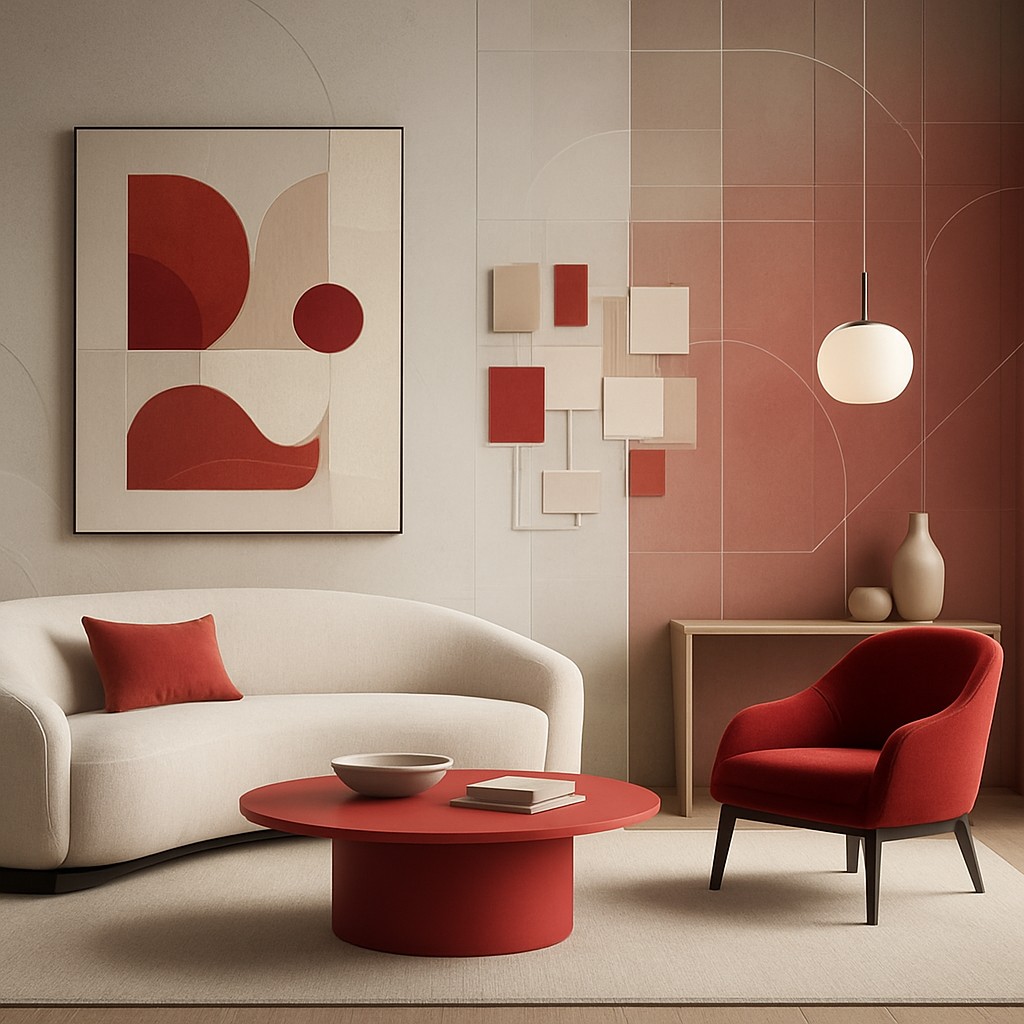
Australia's Distinctive Interior Design Identity
Australian interior design has earned international acclaim for its relaxed sophistication, masterful use of natural light, and seamless connection between indoor and outdoor living. Drawing on the country's diverse landscapes, climate and multicultural influences, the nation's leading studios create spaces that feel both luxurious and effortlessly liveable. From heritage terraces and coastal retreats to luxury hotels and corporate headquarters, Australian designers consistently deliver work that balances beauty, function and a strong sense of place.
The industry spans residential, hospitality, retail and commercial sectors, with many studios moving fluidly between them. This versatility, combined with a culture of craftsmanship and collaboration with local artisans, has cemented Australia's reputation as a global design force whose projects regularly feature in international publications and awards.
What Defines a Leading Design Studio
The most respected firms share a clear design philosophy and an ability to translate a client's brief into a distinctive, cohesive vision. Strong studios excel at space planning, material selection, lighting design and the layering of texture, colour and bespoke detailing. They manage projects meticulously, coordinating architects, builders and suppliers to deliver on time and on budget.
Beyond aesthetics, leading designers prioritise how a space will be lived in or used commercially. They consider flow, comfort, acoustics and durability, ensuring beautiful interiors also perform. A track record of awards, published work and satisfied long-term clients is a reliable indicator of quality and reliability.
Ten Influential Interior Design Firms
Greg Natale Design is renowned for its glamorous, pattern-rich and boldly layered interiors that have become instantly recognisable across residential and commercial projects. Arent&Pyke creates warm, soulful and colour-confident homes celebrated for their emotional resonance and meticulous craftsmanship. YSG Studio is known for its daring, sensual and richly textured spaces that challenge convention.
Flack Studio brings a refined, art-led sensibility to residential and hospitality projects, blending bold materials with timeless elegance. Hecker Guthrie is admired for its understated luxury and masterful restraint across hospitality, retail and residential work. Mim Design delivers polished, contemporary interiors with a strong focus on luxury living and high-end developments.
Studio Esteta is celebrated for its considered, narrative-driven hospitality and residential spaces. Decus Interiors creates sophisticated, tailored homes with a focus on bespoke detailing. SJB operates across architecture and interiors at scale, shaping major urban and commercial projects, while Brahman Perera has rapidly gained recognition for emotive, layered interiors that blend heritage and modernity.
The Design Process Explained
Working with an interior design firm typically begins with a discovery phase, where the studio learns about the client's lifestyle, taste, budget and functional needs. This is followed by concept development, including mood boards, spatial layouts and material palettes that establish the project's direction.
Once the concept is approved, designers progress to detailed documentation, specifying finishes, joinery, furniture, lighting and custom elements. During construction and installation, the studio liaises with trades and suppliers, manages procurement, and oversees styling to ensure the finished space matches the vision. Clear communication and transparent fee structures throughout this journey are hallmarks of a professional firm.
Choosing the Right Designer for Your Project
Selecting a designer is a deeply personal decision. Review portfolios to find a studio whose aesthetic resonates with you, but also consider their experience in your specific project type, whether that is a family home renovation, a new build, or a hospitality venue. Compatibility and communication are crucial, as design projects are collaborative and often span many months.
It is sensible to discuss budget openly from the outset, understand how fees are structured, and clarify the scope of services, from concept only through to full project management. Speaking with past clients and visiting completed projects, where possible, can provide valuable reassurance before committing.
Understanding Fees and Investment
Interior design fees in Australia are typically structured in one of several ways, including a fixed project fee, an hourly rate, a percentage of the overall project cost, or a combination of these. Some studios also earn margins on furniture and product procurement. Understanding the fee model upfront, and what it includes, helps clients budget accurately and avoid surprises as the project progresses.
Engaging a professional designer is an investment that delivers value well beyond aesthetics. Skilled designers prevent costly mistakes, source quality products at trade prices, and maximise the functionality and longevity of a space. Their relationships with trusted builders, joiners and suppliers streamline delivery and protect quality. For homeowners and businesses alike, the result is a considered, enduring interior that enhances daily life and, in many cases, the value of the property itself.
Trends Shaping Australian Interiors
Contemporary Australian interiors are embracing warmth and individuality, moving away from minimalism toward richer palettes, curved forms, natural stone and bespoke joinery. Sustainability is a growing priority, with designers specifying durable, ethically sourced and locally made materials. There is a renewed appreciation for craftsmanship, with custom furniture and collaborations with local makers adding authenticity.
Biophilic design, indoor-outdoor flow and wellness-focused spaces continue to influence both homes and commercial environments. As the industry evolves, Australia's leading studios remain at the cutting edge, producing interiors that are personal, timeless and globally admired, and reaffirming the country's standing as a powerhouse of contemporary design.
