
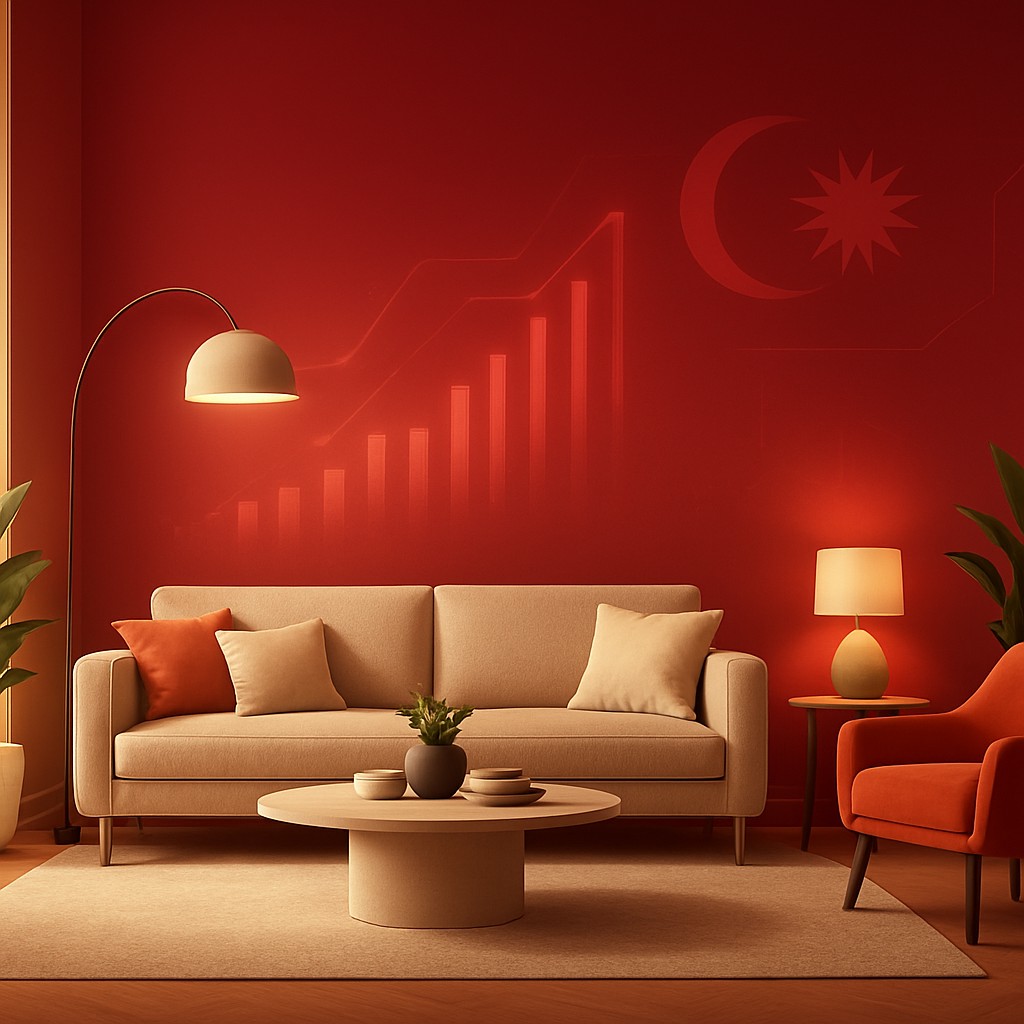
Understanding Home Staging
Home staging is the art and science of preparing a property for sale by enhancing its visual appeal to potential buyers. Far more than simple decoration, it involves strategic furniture placement, decluttering, neutral styling, and thoughtful lighting to help buyers envision themselves living in the space. In Malaysia's increasingly competitive real estate market, staging has emerged as a powerful differentiator for sellers and developers alike.
The principle is straightforward: a well-presented property photographs better, attracts more interest online, and often sells faster and at a higher price than an empty or cluttered alternative. As buyers increasingly begin their search on digital portals, the importance of striking first impressions cannot be overstated.
Why Staging Matters in Malaysia
The Malaysian property market features a substantial supply of new condominium developments, landed homes, and high-rise residences competing for buyer attention. With so much choice available, properties that stand out visually gain a meaningful advantage. Staging helps highlight a home's best features, downplay its weaknesses, and create an emotional connection that drives purchasing decisions.
Developers frequently invest in elaborate show units to market new launches, while individual sellers and agents increasingly turn to staging professionals to elevate resale listings. The return on investment is often significant, with staged homes commanding stronger offers and shorter time on the market.
Leading Home Staging Providers
A growing number of specialised firms now serve the Malaysian market. Stagic has built a reputation for transforming spaces with contemporary, buyer-focused designs tailored to local tastes. The Stage Studio and Nest Home Staging are recognised for their attention to detail and ability to work across budgets and property types.
Several interior design firms, including Meridian Interior Design and Surface R Sdn Bhd, offer staging as part of their broader service portfolios, bringing professional design sensibility to property presentation. Property marketing agencies and select real estate firms have also incorporated staging into their offerings, recognising it as a value-added service that benefits both sellers and buyers.
The Staging Process
A professional staging engagement typically begins with a consultation and assessment of the property. Stagers evaluate the space, identify its strengths, and develop a plan that may involve rearranging existing furniture, bringing in rented pieces, or applying minor cosmetic improvements. Vacant properties are often furnished entirely to demonstrate scale and functionality, while occupied homes are refined and depersonalised.
Key techniques include using neutral colour palettes that appeal broadly, maximising natural light, creating clear focal points, and ensuring each room has a defined purpose. Soft furnishings, artwork, plants, and accessories add warmth and aspiration without overwhelming the space.
Benefits Beyond Aesthetics
While the visual transformation is the most obvious benefit, staging delivers tangible commercial advantages. Studies and industry experience consistently show that staged properties sell faster and frequently achieve higher prices. Professional photography of staged interiors generates more online engagement, translating into greater viewing requests.
Staging also helps buyers overcome the difficulty of visualising potential in empty or awkwardly furnished spaces. By presenting a polished, move-in-ready impression, sellers reduce buyer hesitation and strengthen their negotiating position.
Trends Shaping the Industry
Sustainability and adaptability are influencing modern staging, with firms favouring versatile, reusable furniture and eco-friendly materials. Virtual staging, which uses digital rendering to furnish empty rooms in photographs, has also gained traction as a cost-effective alternative for online listings, though physical staging remains superior for in-person viewings.
As Malaysian buyers grow more design-conscious, staging professionals are embracing globally inspired aesthetics while respecting local lifestyle preferences and cultural considerations such as feng shui principles.
Is Staging Worth It?
For most sellers and developers, the answer is a resounding yes. The relatively modest cost of staging is typically outweighed by faster sales and improved offers. When selecting a provider, consider their portfolio, understanding of the target buyer demographic, flexibility, and pricing structure. The best staging partners combine creative flair with commercial insight, ensuring every styled space is engineered to sell.
As Malaysia's property market continues to mature and competition intensifies, home staging is set to become an indispensable part of the selling toolkit, helping properties shine and sellers succeed.
Staging for Different Property Types
Effective staging is rarely one-size-fits-all; it must respond to the property and its target buyer. Compact urban condominiums benefit from clever space optimisation, light colour schemes, and multifunctional furniture that demonstrate how small footprints can live larger. Family-oriented landed homes call for warm, lived-in styling that showcases bedrooms, play areas, and outdoor spaces, helping buyers picture daily family life.
Luxury properties demand a more aspirational approach, with high-end furnishings, curated art, and refined accessories that justify premium price tags. Commercial and short-term rental properties, meanwhile, are staged to highlight functionality and rental appeal. Skilled stagers tailor their palette, furniture scale, and accessories to each context, ensuring the presentation resonates with the specific audience most likely to buy or rent the space.
