
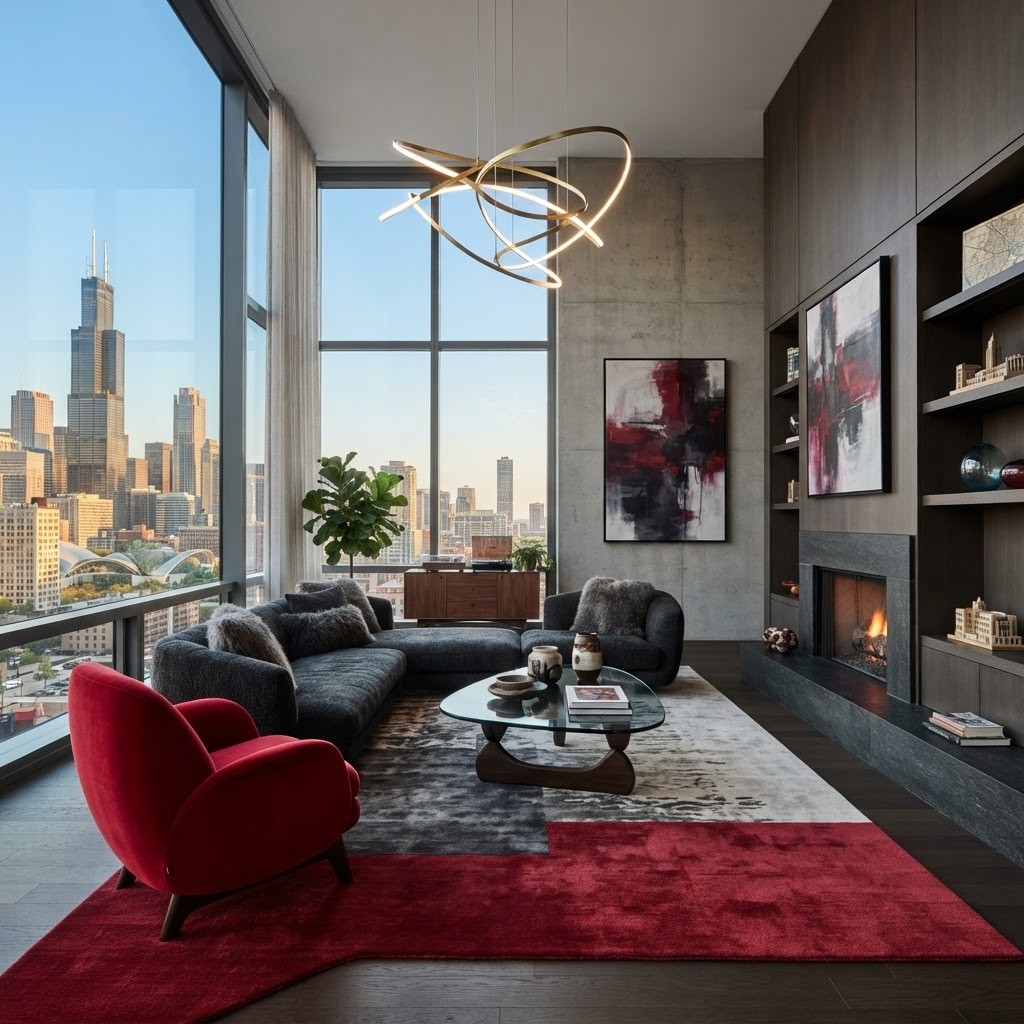
Chicago Style at Home
Chicago interiors are shaped by architecture, weather, and a strong design culture. Loft owners may favor industrial materials, bungalow residents often preserve warm woodwork, and high-rise households need pieces scaled for elevators and compact rooms. The city’s best decor destinations respond with thoughtful furniture, lighting, textiles, art, and accessories rather than disposable trends. This list highlights influential local brands and showrooms whose selections help residents create durable, personal spaces.
1. Jayson Home
Jayson Home is one of Chicago’s most recognizable design destinations, known for an eclectic mix of modern furniture, antiques, garden pieces, lighting, and unusual objects. Its styling balances polished and collected elements, giving rooms character without making them feel overly coordinated. The brand is especially useful for statement seating, sculptural accessories, and pieces with visible texture. Shoppers seeking a layered, editorial interior can find inspiration in its confident combinations.
2. The Golden Triangle
The Golden Triangle specializes in antiques, architectural elements, and globally sourced furnishings. Its expansive collection can include Asian, European, and modernist pieces, making it a resource for designers and homeowners who value history and craftsmanship. A single aged cabinet, carved panel, or substantial table can anchor an otherwise contemporary room. The showroom demonstrates how old and new pieces can coexist when scale, material, and color are carefully considered.
3. Wrightwood Furniture
Wrightwood Furniture focuses on approachable modern and transitional furnishings for urban homes. Its range typically includes sofas, dining furniture, storage, rugs, and accessories with practical dimensions. This balance of style and everyday usability appeals to customers furnishing condos or family spaces on a realistic budget. The brand’s value lies in making a coordinated home accessible without requiring every item to be a major investment.
4. Interior Define
Chicago-founded Interior Define built its reputation around customizable upholstered furniture. Customers can tailor dimensions, fabrics, cushion styles, legs, and configurations, an advantage when standard sofas do not fit a specific floor plan. Customization is particularly relevant in Chicago apartments, where doorway clearance and room proportions vary widely. Careful measuring and fabric sampling help buyers turn that flexibility into a piece that suits both the space and daily routine.
5. South Loop Loft
South Loop Loft offers vintage and contemporary furnishings selected with a designer’s eye. Its inventory often features European seating, sculptural tables, lighting, and art that feel distinctive rather than mass produced. Because vintage stock changes, the shopping experience rewards patience and openness. The showroom is a strong choice for consumers who want a focal point with provenance, patina, or an uncommon silhouette.
6. Michael Del Piero Good Design
Michael Del Piero Good Design is associated with restrained, globally influenced interiors and tactile neutral materials. The collection emphasizes substantial forms, handcrafted objects, and pieces that gain presence from texture rather than ornament. This aesthetic works well in Chicago homes where dramatic architecture already provides visual detail. It also supports a slower approach to decorating: selecting fewer, more meaningful objects and leaving room for them to breathe.
7. Norcross and Scott
Norcross and Scott combines interior design expertise with a curated selection of furnishings and decor. The studio’s perspective is modern yet livable, often relying on clean lines, natural materials, and artful accents. Customers benefit from seeing how individual products relate to a complete room. This service-led model reflects a key trend in home retail, as buyers increasingly seek help with scale, composition, and long-term cohesion.
8. Luminaire Chicago
Luminaire Chicago is a destination for international contemporary design, presenting furniture and lighting from leading modern manufacturers. Its collection emphasizes innovation, refined engineering, and enduring forms. It is particularly relevant for architecture enthusiasts who view furniture as functional art. Premium pieces require careful planning, but their construction and visual clarity can define a space for decades rather than a single season.
9. The Merchandise Mart Showrooms
The Merchandise Mart remains central to Chicago’s design ecosystem. Its showrooms represent furniture, textiles, lighting, kitchens, baths, and contract design from a wide range of established makers. Some resources primarily serve design professionals, but the Mart’s influence extends throughout the city. Working with a designer can unlock specialized selections and simplify complex specifications, especially for whole-home projects requiring coordinated lead times.
10. Scout
Scout is known for a distinctive mix of vintage industrial, modern, and handcrafted furniture and objects. The collection suits lofts and homes that benefit from honest materials such as steel, aged wood, leather, and stone. Rather than following a rigid period, Scout encourages composition through contrast. A utilitarian worktable, refined lamp, and contemporary artwork can create a room that feels authentically Chicago.
How to Shop for Decor in Chicago
Measure doors, elevators, stairs, and the final location before buying. Bring photographs, floor dimensions, and samples of existing finishes. For upholstery, consider durability, cleaning needs, sunlight, pets, and how the fabric feels across seasons. Ask about lead times, delivery, assembly, return terms, and vintage condition. Sustainable decorating often means choosing well-made pieces, reusing distinctive older furniture, and avoiding purchases that solve only a temporary trend.
Building a Personal Interior
The best Chicago rooms reflect their occupants and their buildings. Start with function, establish a restrained material palette, and add character through art, lighting, textiles, and objects collected over time. These ten decor names span accessible furnishings, customization, antiques, and collectible design. Together they show why Chicago remains a rewarding city for people who want homes with comfort, intelligence, and lasting visual identity.
