
Washington: An Advanced Manufacturing Powerhouse
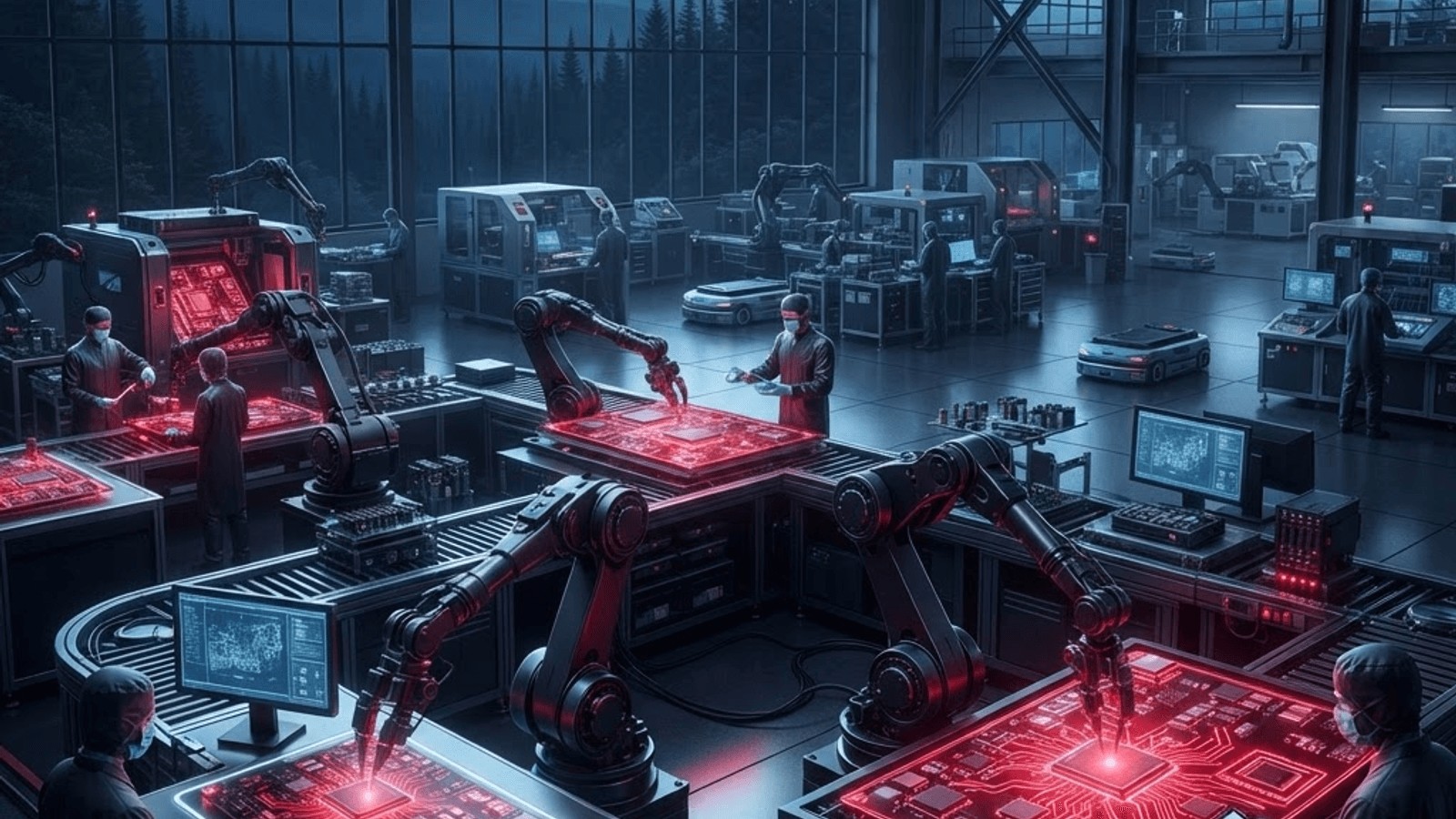
Washington State is often described in terms of software, yet its manufacturing economy is equally consequential. The Puget Sound region built the modern commercial aviation industry, and the surrounding supplier network still produces airframe structures, avionics, interiors and precision machined components at extraordinary tolerances. Beyond aerospace, the state manufactures spacecraft, medical devices, marine vessels, semiconductors, industrial equipment and consumer electronics.
Several structural advantages sustain this base. Deepwater ports at Seattle and Tacoma connect manufacturers to Pacific markets. Abundant hydroelectric power lowers the cost of energy intensive processes such as aluminum production and materials processing. Community and technical colleges across the state operate machining, composites and mechatronics programs that feed a skilled workforce. And decades of aerospace discipline embedded quality management practices throughout the supplier community.
The Top 10 Hardware Manufacturers in Washington
1. Boeing
No discussion of Washington manufacturing begins anywhere else. Boeing assembles commercial aircraft at Everett and Renton, operating some of the largest manufacturing buildings in the world. Its influence extends far beyond its own payroll, since thousands of regional suppliers built their capabilities to aerospace standards in order to serve it. Boeing remains the anchor of the state industrial ecosystem.
2. Blue Origin
Based in Kent, Blue Origin designs and manufactures rocket engines, launch vehicles and space systems. Its facilities combine additive manufacturing, large scale machining, cryogenic testing and advanced composites. The company has drawn a new generation of engineers to the region and expanded demand for high tolerance suppliers capable of space rated work.
3. Fluke Corporation
Headquartered in Everett, Fluke manufactures professional test and measurement instruments used by electricians, technicians and industrial maintenance teams worldwide. Its reputation rests on ruggedness, calibration accuracy and long service life. Fluke is a benchmark example of a Washington company competing globally on engineering quality rather than price.
4. Micron Technology Operations
Semiconductor and electronics operations in Washington support memory, sensing and imaging technologies. Work in this segment demands cleanroom discipline, contamination control and extremely tight process capability. These facilities also anchor local demand for specialty gases, precision tooling and metrology services.
5. PACCAR
PACCAR, headquartered in Bellevue, manufactures heavy duty commercial trucks and powertrains through its Kenworth and related operations. Washington facilities contribute engineering, assembly and parts distribution. The company is notable for durable product design, strong dealer support networks and steady investment in fuel efficiency and electrification.
6. Absolute Aviation and Composite Suppliers
A large tier of Washington manufacturers specializes in composite structures, sheet metal fabrication and assembly for aerospace programs. Firms in this category maintain aerospace quality certifications, statistical process control and full material traceability. Their differentiator is the ability to hold tolerances measured in thousandths of an inch across large structures.
7. Cascade Precision Machining
Contract machining shops throughout Snohomish, Pierce and Spokane counties provide computer numerical control milling, turning and grinding for aerospace, medical and industrial customers. The best operate lights out automation, in house inspection labs and rapid prototyping alongside production runs. They are the connective tissue of the state supply chain.
8. Northwest Medical Device Manufacturing
Medical device makers in the Puget Sound region produce surgical instruments, imaging components, diagnostic hardware and implantable devices. Regulatory compliance defines this segment, including design history files, validated processes and rigorous change control. Companies here often pair manufacturing with clinical engineering support.
9. Vigor Marine and Shipbuilding
Marine manufacturing has deep roots in Washington. Shipyards and fabricators build and repair ferries, workboats, barges and defense vessels, combining heavy steel fabrication with complex systems integration. Their strengths include large structure welding, project management and adherence to maritime classification standards.
10. Inland Northwest Industrial Equipment Makers
East of the Cascades, manufacturers in Spokane and the Columbia Basin build agricultural implements, food processing equipment, aluminum products and electrical assemblies. Lower operating costs and proximity to agriculture make this region competitive for equipment tailored to farming, food handling and logistics.
Trends Reshaping Hardware Manufacturing
Supply chain resilience now outranks pure cost efficiency for many buyers, driving interest in regional sourcing and dual qualification of suppliers. Additive manufacturing has moved from prototyping into production for brackets, ducting and complex geometries that reduce part counts. Automation and collaborative robotics are addressing persistent labor shortages, particularly in machine tending and inspection. Digital thread initiatives connect design models directly to machines and inspection equipment, reducing errors and shortening cycles. Sustainability requirements are also rising, with customers requesting energy and emissions data alongside quality records.
Workforce and Training
Washington sustains manufacturing through a strong technical education pipeline. Apprenticeships, community college machining programs and aerospace composites training centers supply machinists, technicians, welders and quality inspectors. Employers increasingly invest in internal upskilling as experienced tradespeople retire, and many partner directly with colleges to design curricula around current equipment.
How to Select a Manufacturing Partner
Begin with certifications appropriate to your industry, then look deeper. Tour the facility and observe housekeeping, tool management and work in process control, which reveal operational discipline quickly. Ask for process capability data on comparable parts rather than general assurances. Review on time delivery history and how the supplier handles nonconformance. Confirm capacity headroom so your program is not competing with larger customers. Finally, evaluate engineering support, because a partner who improves manufacturability can reduce cost more than any negotiated discount.
Conclusion
Washington hardware manufacturing spans the entire spectrum from global aerospace primes to specialized machine shops and agricultural equipment builders. The common thread is engineering rigor cultivated over generations of demanding programs. Buyers who evaluate suppliers on process discipline, transparency and engineering collaboration will find an exceptionally capable manufacturing base in the state.
