
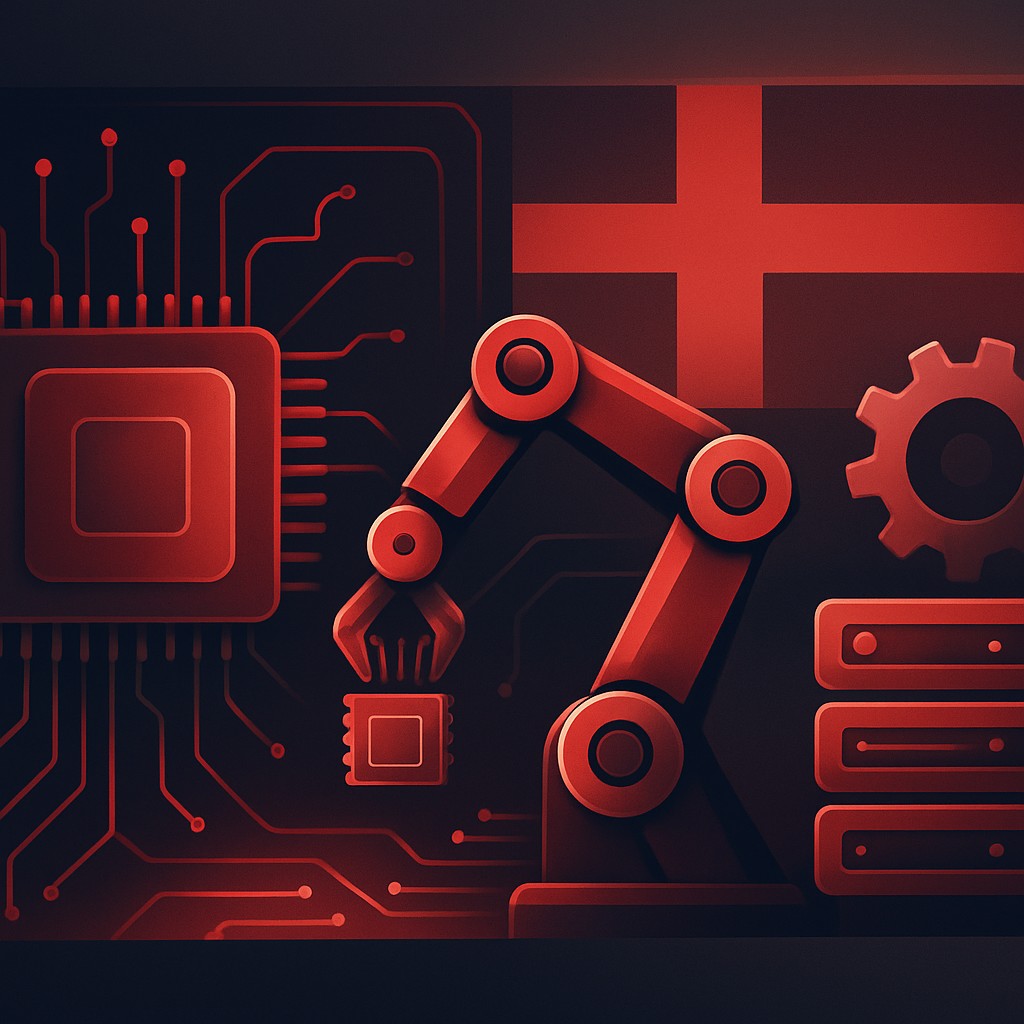
Sweden's Engineering and Manufacturing Legacy
Sweden has long been synonymous with engineering excellence and high-quality manufacturing. From telecommunications equipment to industrial machinery and consumer electronics, Swedish hardware manufacturers have built a global reputation for innovation, reliability, and precision. This legacy is rooted in a deep engineering tradition, substantial investment in research and development, and a commitment to quality that permeates the country's industrial culture.
Today, Swedish hardware manufacturers continue to push boundaries, producing advanced technology that powers industries around the world. Their products range from the networking equipment that underpins global communications to sophisticated industrial systems and innovative consumer devices.
The Strengths of Swedish Manufacturing
Several factors underpin the success of Sweden's hardware manufacturing sector. The country invests heavily in research and development, fostering continuous innovation. Its skilled workforce combines technical expertise with a strong commitment to quality. Swedish manufacturers also embrace sustainability, increasingly designing products and processes that minimize environmental impact.
Additionally, close collaboration between industry, universities, and research institutions ensures that Swedish manufacturers stay at the cutting edge of technology. This ecosystem supports the development of advanced products that compete successfully in global markets.
Leading Hardware Manufacturers in Sweden
Ericsson is a global telecommunications leader and one of Sweden's most iconic technology companies, manufacturing networking equipment that powers mobile communications worldwide, including critical 5G infrastructure.
Axis Communications is a pioneer in network video and surveillance technology, producing high-quality cameras and security hardware used across the globe.
Hexagon specializes in precision measurement technologies and sensors, manufacturing sophisticated hardware that supports manufacturing, construction, and geospatial applications.
ABB, with major Swedish operations, manufactures advanced electrical equipment, robotics, and industrial automation systems used in factories and infrastructure worldwide.
Atlas Copco produces industrial tools, compressors, and equipment renowned for their quality and performance, serving manufacturing and construction industries globally.
Diverse Product Categories
Swedish hardware manufacturers produce an impressive range of products. Telecommunications and networking equipment form a major category, reflecting Sweden's leadership in connectivity. Industrial machinery, automation systems, and robotics are also significant strengths, supporting manufacturing efficiency around the world.
Other important categories include precision measurement instruments, security and surveillance hardware, power and electrical equipment, and specialized tools. This diversity demonstrates the breadth of Swedish manufacturing capability and its importance to global industry.
Quality and Innovation as Core Values
What distinguishes Swedish hardware manufacturers is their unwavering commitment to quality and innovation. Products are engineered to high standards of durability and performance, earning the trust of customers worldwide. At the same time, these companies invest continuously in innovation, developing new technologies and improving existing products.
This combination of reliability and innovation has helped Swedish manufacturers maintain leadership positions in competitive global markets, even as manufacturing landscapes evolve.
Sustainability in Manufacturing
Sustainability has become a central concern for Swedish hardware manufacturers. Companies are adopting energy-efficient production methods, designing products for longevity and recyclability, and reducing waste throughout their operations. This focus reflects both Sweden's strong environmental values and growing global demand for sustainable products.
By integrating sustainability into their manufacturing practices, Swedish companies are positioning themselves favorably for a future in which environmental responsibility is increasingly important to customers and regulators alike.
Trends in Hardware Manufacturing
The Swedish manufacturing sector is being shaped by several key trends. The integration of digital technologies, often referred to as Industry 4.0, is transforming production through automation, connectivity, and data analytics. The growth of connected devices and the Internet of Things is driving demand for advanced hardware. Meanwhile, the push toward electrification and renewable energy is creating new opportunities for manufacturers of electrical and power equipment.
Conclusion
Sweden's hardware manufacturers exemplify the country's engineering excellence and commitment to quality. From global telecommunications leaders to specialists in industrial equipment and precision technology, these companies produce products that power industries worldwide. With strong foundations in innovation and sustainability, Swedish hardware manufacturers are well positioned to continue leading in the global marketplace.
