
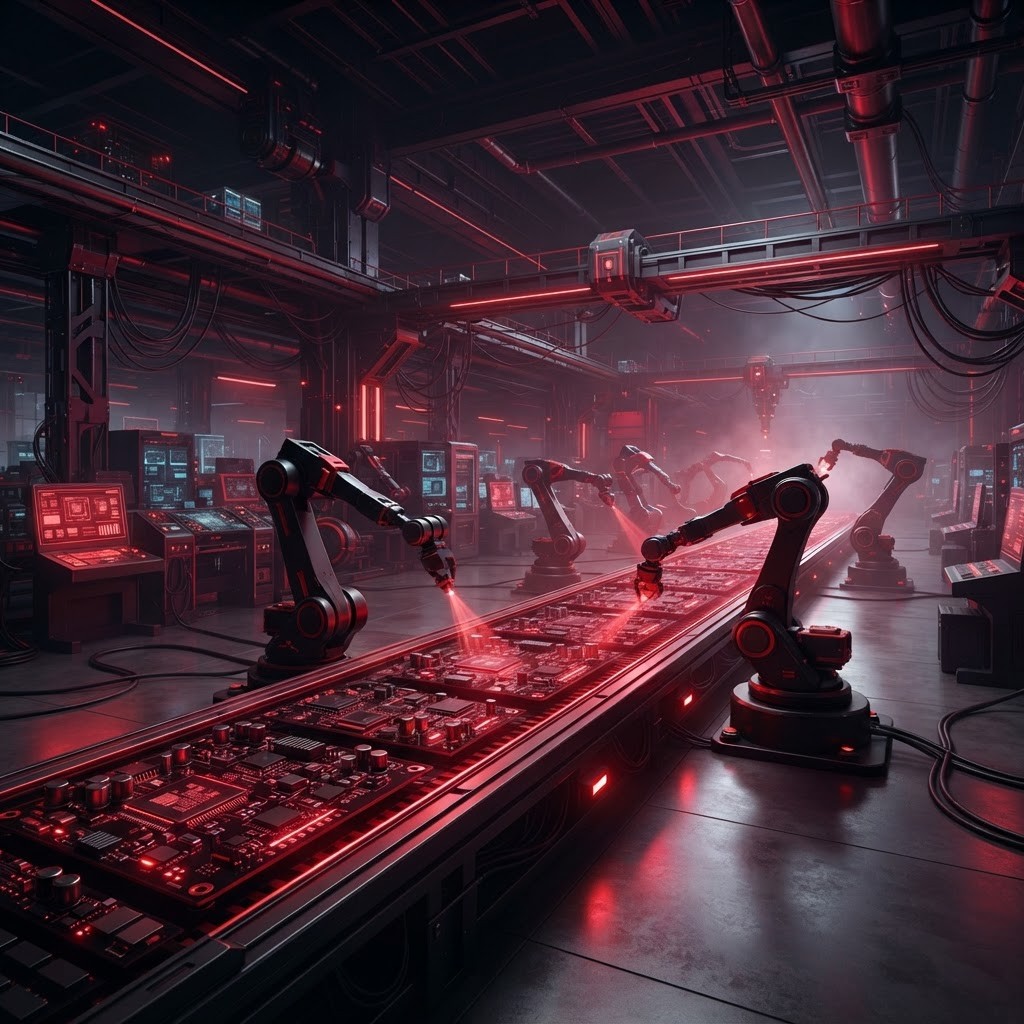
Serbia's Manufacturing Renaissance
While Serbia is often celebrated for its software talent, the country also has a deep and growing hardware manufacturing sector. Building on a strong industrial heritage and bolstered by foreign direct investment, Serbian manufacturers produce electronics, components, and finished products for automotive, industrial, and consumer markets. This blend of engineering capability and cost efficiency has made the country an increasingly attractive base for production.
The hardware sector complements Serbia's software strengths, creating opportunities for integrated products that combine physical and digital innovation. From electronic components to complex assemblies, Serbian manufacturers contribute to supply chains that reach across Europe and beyond.
Why Serbia Is Attractive for Hardware Production
Serbia offers several advantages for hardware manufacturing. A skilled and technically educated workforce provides the engineering and production expertise needed for precision products. Strategic location and trade agreements give access to European markets, while competitive labor and operating costs improve margins. Government incentives for investment and industrial development have further encouraged both domestic firms and multinational corporations to establish or expand operations in the country.
The Top 10 Hardware Manufacturers in Serbia
1. Continental. The global automotive technology company operates significant manufacturing and R&D facilities in Serbia, producing advanced electronics and components for the automotive industry.
2. Yura Corporation. A major employer, Yura manufactures automotive wiring harnesses and electrical components at large-scale facilities, serving global carmakers.
3. Leoni. Leoni produces automotive cable systems and wiring solutions in Serbia, contributing to the country's strong position in automotive supply chains.
4. Siemens. Siemens manufactures components and equipment in Serbia, including work related to rail and industrial systems, reflecting confidence in local capabilities.
5. Panasonic / electronics assembly operations. Global electronics firms maintain assembly and production operations in Serbia, producing components and devices for international markets.
6. Gorenje / home appliance manufacturing. Appliance production facilities in the region manufacture consumer hardware, combining established brands with local production capacity.
7. Tigar / industrial products. A historic Serbian industrial company, Tigar produces rubber and technical products used across automotive and industrial applications.
8. Elrad / electronics manufacturing services. Contract electronics manufacturers in Serbia provide PCB assembly and production services for a range of clients.
9. Precision component makers. Numerous specialized firms produce machined parts, tooling, and precision components for industrial and automotive customers.
10. Emerging electronics startups. A new generation of Serbian hardware startups designs and manufactures innovative devices, from IoT sensors to specialized equipment, blending local engineering with modern production.
Key Sectors Served by Serbian Manufacturers
The automotive industry is the largest driver of Serbian hardware manufacturing, with global suppliers producing wiring, electronics, and components for vehicles sold worldwide. Industrial equipment and machinery form another important segment, alongside consumer appliances and electronics. The rise of connected devices has also spurred production of IoT hardware and sensors, an area where Serbia's combined hardware and software expertise proves especially valuable.
Quality, Standards, and Innovation
Serbian manufacturers increasingly meet stringent international quality and safety standards, which is essential for serving demanding automotive and industrial customers. Many facilities incorporate modern automation, robotics, and lean manufacturing practices to improve efficiency and consistency. Investment in research and development, often in partnership with universities, helps local manufacturers move up the value chain toward more sophisticated, higher-margin products.
Choosing a Manufacturing Partner in Serbia
When selecting a hardware manufacturing partner, evaluate the firm's certifications, quality control processes, and experience with products similar to yours. Capacity, scalability, and supply chain reliability are important considerations, particularly for high-volume production. It is also wise to assess engineering support, as strong partners can contribute to design for manufacturability and continuous improvement. Clear communication and a track record of on-time delivery are essential indicators of a dependable manufacturer.
The Future of Hardware Manufacturing in Serbia
Serbia's hardware sector is expected to continue growing as investment flows in and as the country deepens its integration into European supply chains. The convergence of hardware and software, especially in areas like electric vehicles, automation, and connected devices, plays to Serbia's combined strengths. Continued investment in skills, automation, and R&D will help manufacturers capture higher-value opportunities in the years ahead.
Conclusion
Serbia's hardware manufacturing sector is a vital and expanding part of its economy, anchored by major automotive suppliers and complemented by a rising wave of innovative firms. With skilled engineers, competitive costs, and improving capabilities, the country offers compelling options for companies seeking reliable production partners. As hardware and software continue to converge, Serbia is well placed to play an even larger role in global manufacturing.
