
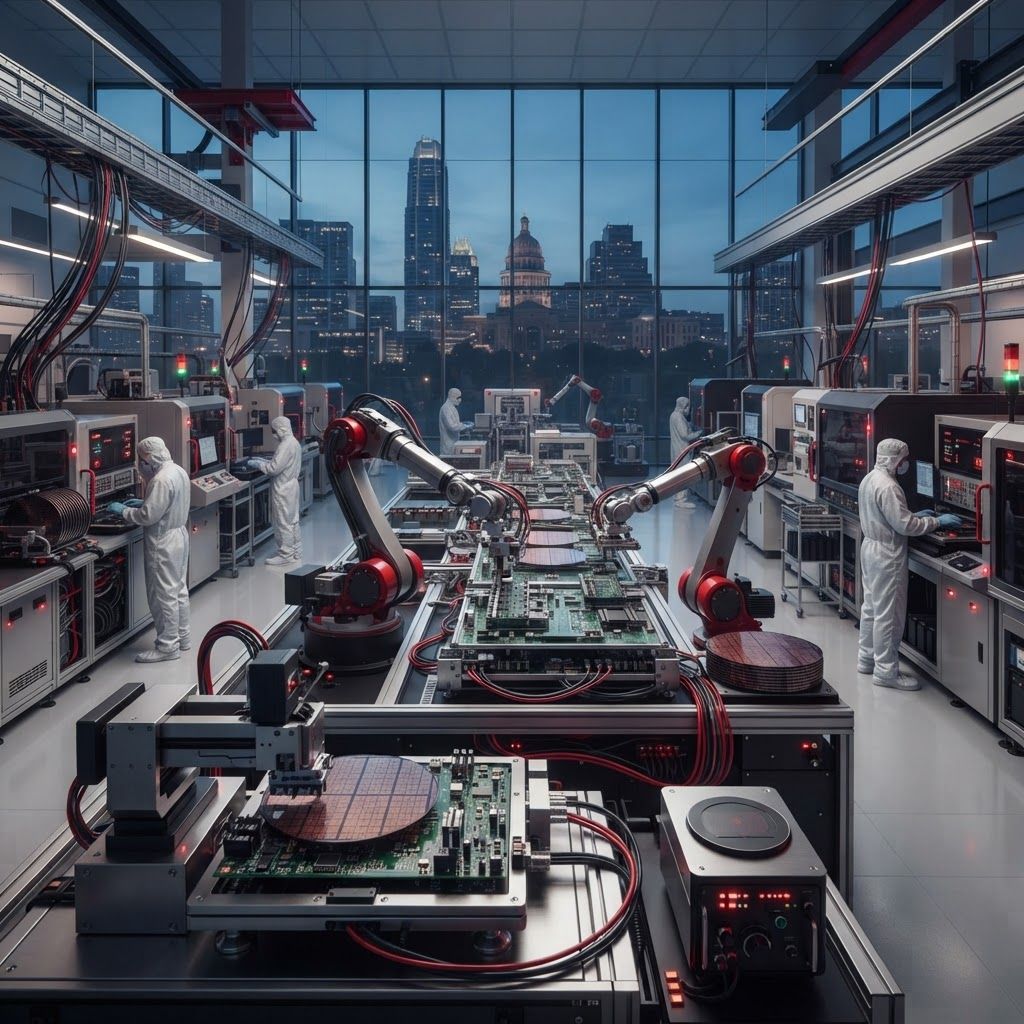
Austin's Rise as a Hardware Manufacturing Powerhouse
Austin, Texas is widely known for its music and culture, but over the past two decades it has also become a serious center for advanced hardware manufacturing. A combination of a strong engineering talent pool, favorable business conditions, and proximity to leading research universities has attracted semiconductor giants, precision component makers, and electronics innovators to the region. The city's manufacturers span everything from chips and circuit boards to industrial systems and consumer devices, giving Austin a diverse and resilient hardware economy.
What sets the Austin hardware scene apart is its blend of large multinational operations and nimble specialized shops. This ecosystem supports rapid prototyping, high-volume production, and everything in between, making the city an appealing home for companies that need to move from concept to finished product quickly.
What Makes a Great Hardware Manufacturer
The best hardware manufacturers combine engineering rigor with reliable production quality. Buyers look for firms that maintain tight tolerances, strong quality management systems, transparent supply chains, and the ability to scale without sacrificing consistency. In a competitive market, reputation is built on delivering products that perform exactly as specified, on time, and at a predictable cost.
Sustainability and responsible sourcing have also become critical differentiators. Manufacturers that invest in cleaner processes, energy efficiency, and ethical materials sourcing tend to win long-term partnerships with brands that care about their own environmental footprint.
Leading Hardware Manufacturers in Austin
Samsung Austin Semiconductor is one of the anchor employers in the region, operating a massive fabrication facility that produces advanced chips used in devices worldwide. Its scale and continued investment have helped cement Austin's status as a semiconductor stronghold. NXP Semiconductors also maintains a strong Austin presence, focusing on chips for automotive, industrial, and secure connectivity applications.
Applied Materials supports the broader chip industry by supplying the sophisticated equipment used in fabrication, while Silicon Labs designs energy-efficient chips that power a wide range of connected devices. Together these companies form the backbone of Austin's semiconductor cluster.
Beyond chips, firms like Flex and Jabil provide contract manufacturing and engineering services that help brands bring complex electronic products to market. National Instruments, now part of Emerson, has long been a fixture in Austin, producing measurement and test hardware relied upon by engineers around the world.
Specialized and Emerging Manufacturers
Austin's hardware landscape also includes precision machining shops, printed circuit board assemblers, and product development studios that serve startups and established brands alike. Companies such as Firefly Aerospace push the boundaries of aerospace hardware, while a growing number of robotics and automation firms build systems for factories and warehouses. These smaller and mid-sized manufacturers add depth to the ecosystem and keep the city at the forefront of emerging technologies.
Industry Trends Shaping Austin Hardware
Several trends are influencing the future of hardware manufacturing in Austin. Reshoring and supply chain resilience have pushed more companies to invest in domestic production capacity. Automation and smart factory technologies are improving throughput and quality, while advances in materials science are enabling lighter, more durable products.
The region also benefits from a deep pipeline of engineering graduates from local universities, ensuring a steady supply of skilled workers. As demand for semiconductors, connected devices, and clean energy hardware continues to grow, Austin is well positioned to capture a larger share of that expansion.
Choosing the Right Manufacturing Partner
When selecting a hardware manufacturer in Austin, businesses should evaluate technical capabilities, certifications, capacity, and cultural fit. Touring facilities, reviewing quality documentation, and speaking with existing clients can reveal how a manufacturer performs under real-world pressure. The strongest partnerships are built on clear communication, shared expectations, and a mutual commitment to quality.
Conclusion
Austin's hardware manufacturing sector reflects the city's broader spirit of innovation and ambition. From global semiconductor leaders to specialized precision shops, the manufacturers highlighted here demonstrate the depth and quality of the local industry. For companies seeking a reliable and forward-looking manufacturing partner, Austin offers a compelling combination of talent, technology, and proven expertise.
