
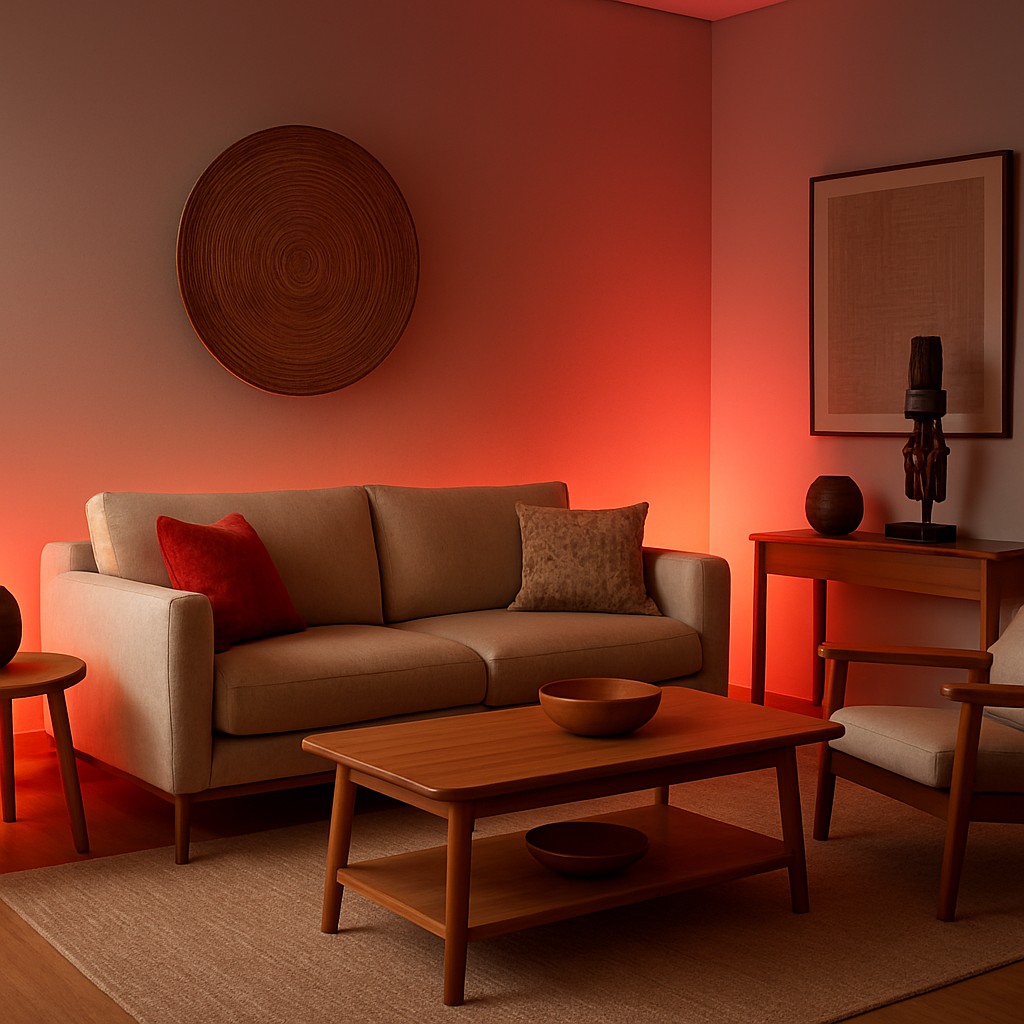
A Flourishing Furniture Industry
Ghana's furniture industry reflects the nation's growing middle class, rising homeownership, and expanding commercial sector. From handcrafted wooden pieces rooted in local tradition to sleek imported designs, furniture stores across the country cater to diverse tastes and budgets. As Accra and other cities experience rapid real estate development, demand for quality furnishings for homes, offices, hotels, and restaurants continues to climb, fueling a vibrant and competitive market.
What Sets the Best Stores Apart
Leading furniture retailers in Ghana distinguish themselves through quality, design variety, and customer service. They offer durable pieces built to withstand daily use while reflecting current design trends. The best stores provide a range of options, from affordable everyday furniture to premium luxury collections. Customization services, reliable delivery, professional assembly, and knowledgeable staff further enhance the shopping experience, helping customers furnish their spaces with confidence.
Prominent Names in the Market
Several furniture brands have earned strong reputations in Ghana. Orca Deco is well known for its modern, stylish collections that appeal to design-conscious homeowners and businesses. Nilly's Furniture and various established showrooms along the Spintex Road and Tema corridors offer extensive selections of locally made and imported pieces. Tytan Furniture and other respected manufacturers specialize in office and institutional furnishing, while numerous artisan workshops in Kumasi continue the region's celebrated tradition of woodworking craftsmanship.
The Strength of Local Craftsmanship
Ghana boasts a rich heritage of woodworking, particularly in the Ashanti Region, where skilled artisans produce furniture renowned for its durability and character. Locally crafted pieces often use hardwoods such as mahogany and odum, prized for their strength and beauty. This craftsmanship offers customers an alternative to imported goods, supporting local economies while delivering unique, handmade quality. Many modern retailers now combine traditional techniques with contemporary design to create distinctly Ghanaian furniture.
Modern Design Meets Functionality
Today's Ghanaian consumers increasingly seek furniture that balances aesthetics with practicality. Multifunctional pieces, space-saving designs, and modular systems are gaining popularity, especially among urban dwellers in apartments and compact homes. Leading stores respond by curating collections that prioritize comfort, versatility, and modern style. Upholstery options, finishes, and color palettes are tailored to suit Ghanaian interiors, blending global trends with local preferences.
Furnishing Businesses and Hospitality
Beyond residential customers, furniture stores play a crucial role in equipping Ghana's growing commercial sector. Offices, co-working spaces, hotels, and restaurants require functional, durable, and visually appealing furnishings. Specialized retailers offer ergonomic office chairs, conference tables, reception furniture, and hospitality-grade pieces designed for heavy use. This segment has expanded significantly as Ghana attracts investment and develops its business and tourism infrastructure.
The Importance of Service and Delivery
Purchasing furniture is a significant investment, and customers value retailers that make the process smooth and reliable. The best stores offer professional delivery, careful handling, and on-site assembly, ensuring pieces arrive in perfect condition. Warranties, repair services, and flexible payment plans add further value. As competition intensifies, exceptional customer service has become a key differentiator that builds loyalty and positive word-of-mouth.
Sustainability and Sourcing
Environmental awareness is influencing the furniture industry in Ghana. Responsible sourcing of timber, use of sustainable materials, and proper certification are becoming important considerations for conscientious buyers. Some retailers and artisans emphasize eco-friendly practices, including the use of reclaimed wood and low-impact finishes. This shift reflects a broader global movement toward sustainability and resonates with customers who want their purchases to align with their values.
Choosing the Right Furniture Store
When selecting a furniture retailer, customers should consider quality, design range, pricing, and service reputation. Visiting showrooms to assess construction quality, comparing materials, and reviewing delivery and warranty policies are practical steps. Reading customer feedback and seeking recommendations can also guide the decision. Whether furnishing a new home or upgrading a workplace, choosing an established, reputable store ensures lasting satisfaction.
Conclusion
Ghana's furniture stores are shaping the way homes and businesses look and function, blending local craftsmanship with modern design. The leading retailers have built their reputations on quality, variety, and dependable service. As the nation continues to grow and modernize, these stores will remain essential partners for anyone seeking to create comfortable, stylish, and functional spaces across Ghana.
