
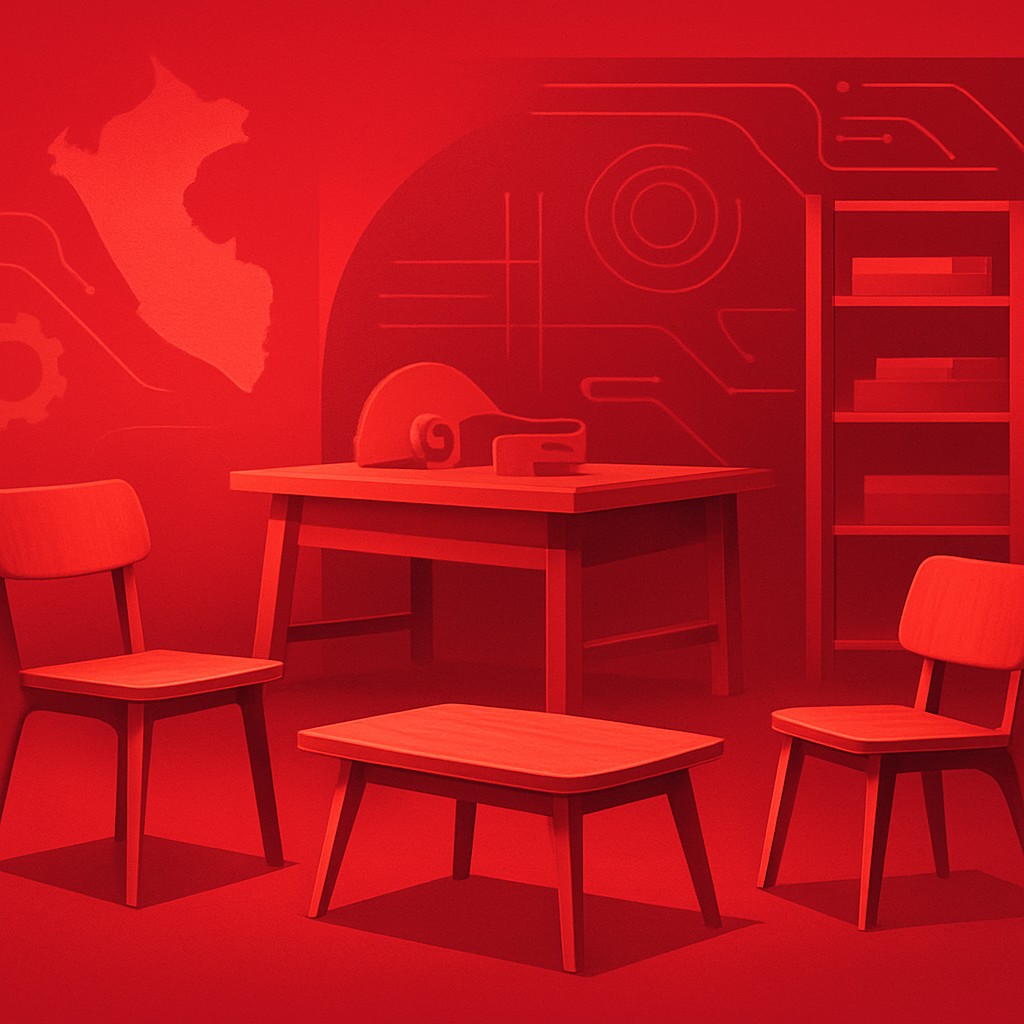
An Overview of Peru's Furniture Manufacturing Industry
Peru has steadily built a reputation as one of Latin America's most dynamic furniture-producing nations. Anchored by abundant natural resources, a deep tradition of craftsmanship, and a growing manufacturing base, the country supplies both domestic and export markets with high-quality residential, office, and institutional furniture. The industry draws on sustainably harvested timber from regions such as Loreto, Ucayali, and Madre de Dios, while also incorporating engineered woods, metal, and upholstery materials to meet diverse consumer needs.
Over the past decade, Peruvian furniture makers have modernized their operations with computer-controlled cutting equipment, improved finishing technologies, and lean production practices. This evolution has allowed manufacturers to compete on quality and consistency while preserving the artisanal detail that distinguishes Peruvian-made goods. The result is a sector that serves everything from mass-market home furnishings to bespoke designer pieces.
What Sets the Leading Manufacturers Apart
The strongest furniture manufacturers in Peru share several defining traits. They invest in skilled labor, maintain strict quality control, and increasingly emphasize sustainable sourcing. Many hold certifications related to responsible forestry, which has become a key differentiator for buyers in Europe and North America. Companies that combine design innovation with reliable delivery timelines tend to dominate both retail partnerships and large institutional contracts.
Notable Companies Shaping the Sector
Inversiones Furukawa is recognized for its diversified portfolio that spans home and office furniture, with a strong emphasis on durable construction and modern design. Muebles Pacuri has earned a loyal following for its handcrafted wooden pieces that highlight traditional Peruvian woodworking techniques. Cetco Muebles focuses on contemporary residential collections, offering modular systems suited to urban living spaces in Lima and other growing cities.
Industrias Manrique stands out in the commercial segment, supplying restaurants, hotels, and offices with robust, made-to-order furnishings. Maderera Bozovich, leveraging its deep roots in timber processing, produces premium solid-wood furniture prized for its longevity. Carpinteria San Jose serves the mid-market with affordable yet well-built bedroom and living room sets.
Other respected names include Muebleria El Roble, known for classic dining and living collections; Diseno y Madera, which blends Scandinavian-inspired minimalism with local materials; Tableros Peruanos, a key supplier of engineered wood panels and ready-to-assemble furniture; and Estilo Andino, which celebrates regional motifs in handcrafted decorative pieces.
Industry Trends and Innovations
Sustainability is reshaping the Peruvian furniture landscape. Manufacturers are adopting responsibly sourced timber, water-based finishes, and waste-reduction programs to align with global environmental expectations. At the same time, demand for modular and space-saving designs has surged, driven by urbanization and smaller living spaces in major cities. Customization has also become a competitive advantage, with companies offering tailored dimensions, finishes, and upholstery to meet specific client requirements.
Digital transformation is another important trend. Leading firms are integrating online catalogs, 3D visualization tools, and streamlined order management to improve the buying experience. This shift helps Peruvian manufacturers reach broader audiences while maintaining the personal service that smaller workshops are known for.
Benefits of Sourcing Furniture from Peru
Buyers who source from Peruvian manufacturers benefit from access to premium hardwoods, competitive pricing, and a workforce skilled in both traditional and modern production methods. The country's strategic location and established trade agreements make it an attractive sourcing destination for international retailers. Furthermore, the cultural richness embedded in Peruvian design adds distinctive character that resonates with consumers seeking authenticity and quality.
Conclusion
Peru's furniture manufacturing industry continues to grow in scale and sophistication, supported by abundant resources, talented craftspeople, and a commitment to innovation. The manufacturers highlighted here represent the breadth of the sector, from artisanal workshops to large-scale producers. For buyers seeking durable, beautifully designed furniture rooted in a strong heritage of craftsmanship, Peru offers a compelling and reliable source.
