
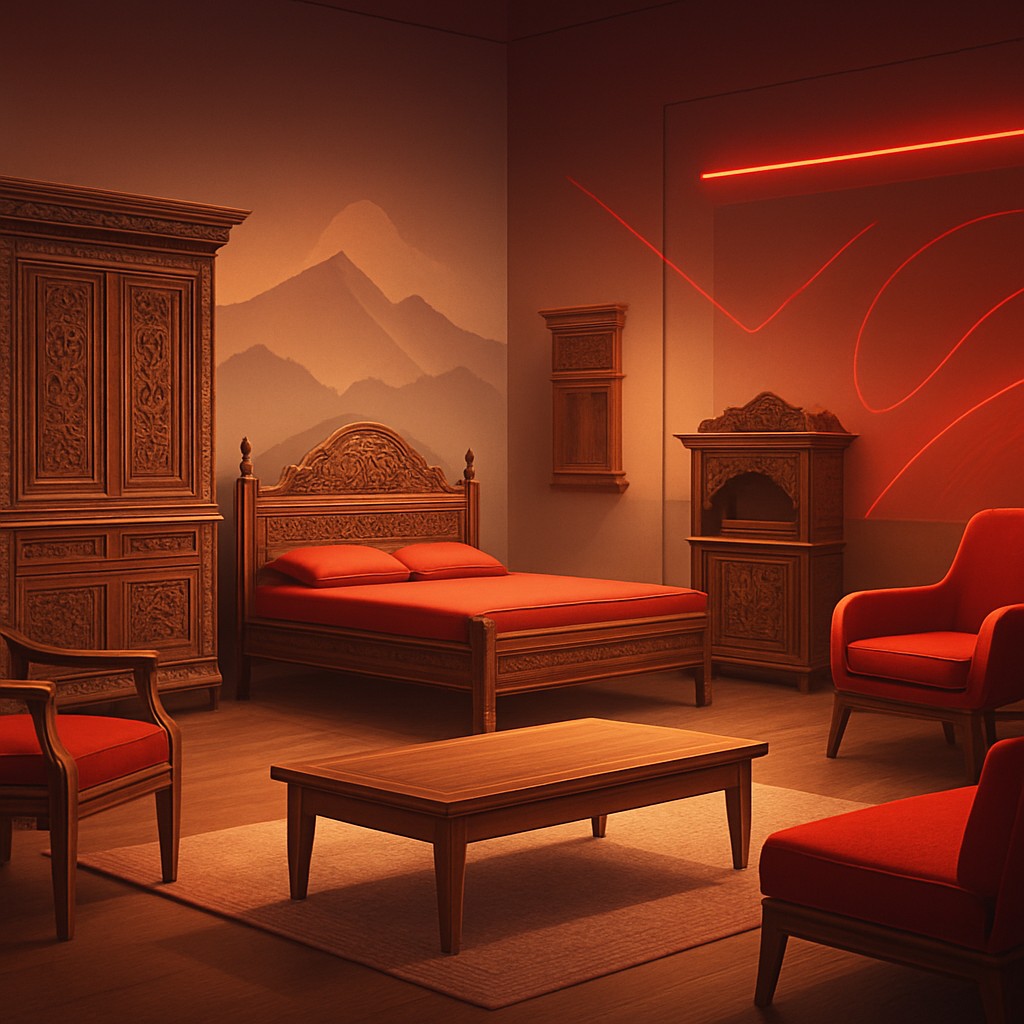
Crafting Comfort and Style
Furniture manufacturing in Nepal beautifully blends traditional craftsmanship with contemporary design. The country has a long heritage of woodworking, evident in the intricately carved windows and doors of its historic cities. Today, that heritage informs a vibrant industry producing furniture for homes, offices, hotels, and institutions. From solid wood pieces to modern modular systems, Nepali furniture manufacturers serve a growing market that values both quality and style.
The sector spans large factories, mid-sized workshops, and skilled artisan units. Together they produce a wide range of products, from elegant handcrafted items to mass-produced functional furniture, meeting diverse tastes and budgets.
Why the Furniture Industry Matters
Furniture manufacturing supports significant employment, particularly for skilled carpenters, designers, and finishers. It also keeps value within the local economy and reduces reliance on imported furnishings. As Nepal's urban population grows and disposable incomes rise, demand for quality furniture, both residential and commercial, continues to climb.
The industry also plays a role in preserving traditional woodworking skills while adapting them to modern needs. This fusion of heritage and innovation gives Nepali furniture a distinctive character that resonates with domestic buyers and offers export potential.
Leading Furniture Manufacturers in Nepal
The following companies are recognized for their quality, design, and contribution to Nepal's furniture industry.
1. Pioneer Furniture: One of the most established names in Nepal, Pioneer Furniture offers a wide range of home and office furnishings known for quality and durability.
2. Furniture Land: A popular retailer and manufacturer, Furniture Land provides modern designs for residential and commercial spaces with an emphasis on style and function.
3. Wood Tech Furniture: Combining modern machinery with skilled craftsmanship, Wood Tech produces contemporary furniture for homes and offices.
4. Classic Furniture: Known for elegant designs and quality finishes, Classic Furniture serves customers seeking timeless and durable pieces.
5. Himalayan Wood Crafts: Specializing in handcrafted wooden furniture, this manufacturer showcases traditional carving and joinery techniques.
6. Everest Furniture Industries: A producer of home and office furniture, Everest emphasizes affordability and practical design for everyday needs.
7. Gorkha Furniture Works: A workshop blending custom craftsmanship with modern styles, Gorkha caters to bespoke furniture requirements.
8. Annapurna Furniture: Offering a broad range of residential and commercial furnishings, Annapurna balances quality with competitive pricing.
9. Sagarmatha Modular Furniture: Focused on modular and office furniture systems, Sagarmatha serves businesses seeking flexible, space-efficient solutions.
10. Newari Heritage Furniture: Celebrating traditional Newari woodcraft, this manufacturer produces ornately carved pieces that honor Nepal's cultural artistry.
Industry Trends
Nepal's furniture sector is influenced by several trends. Modern and modular designs are increasingly popular, especially in urban homes and offices where space efficiency matters. There is growing demand for engineered wood and sustainable materials, as buyers become more environmentally conscious. At the same time, handcrafted and heritage-style furniture remains prized for its uniqueness and cultural value.
Customization is a key strength, with many manufacturers offering bespoke pieces tailored to specific spaces and preferences, something mass-produced imports cannot easily match.
Challenges and Opportunities
The sector faces challenges including the cost and availability of quality timber, competition from imported furniture, and the need for modern machinery and design skills. Sustainable sourcing of wood is also an important consideration. Nevertheless, opportunities abound: rising urban demand, growth in hospitality and office sectors, and the appeal of Nepali craftsmanship both domestically and abroad.
Investment in sustainable materials, modern equipment, and design innovation can help manufacturers strengthen their offerings and explore export markets.
Conclusion
Nepal's furniture manufacturers skillfully unite tradition and modernity to create products that furnish the nation's homes and workplaces. The companies featured here demonstrate the quality, craftsmanship, and design sensibility that define the sector. As urban demand grows and sustainability gains importance, Nepal's furniture industry is well positioned to flourish, delivering beautiful, functional, and distinctive furnishings while preserving the country's rich woodworking heritage.
