
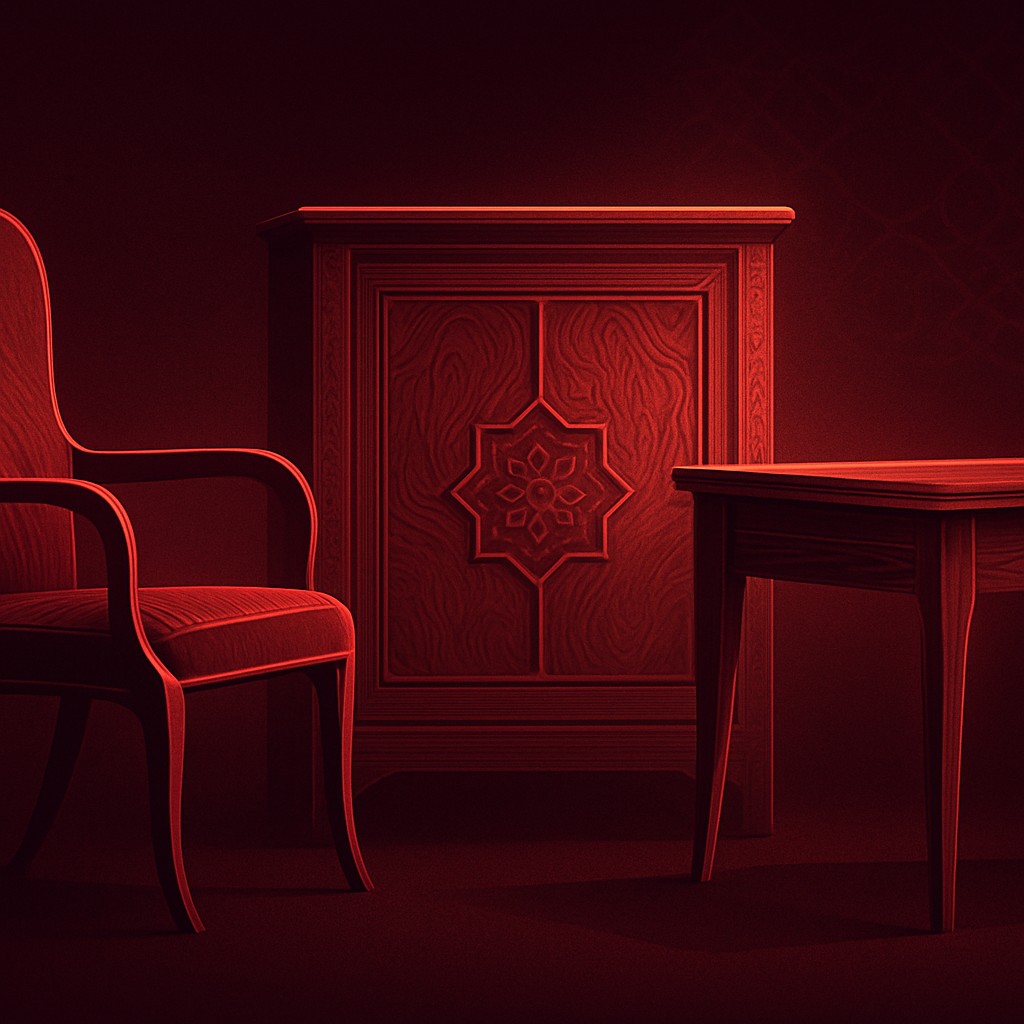
Where Craftsmanship Meets Modern Manufacturing
Morocco enjoys a rich heritage of furniture making, rooted in centuries of artisanal tradition celebrated for intricate woodwork, decorative metalwork, and distinctive design. Today, this heritage coexists with modern manufacturing capabilities that serve domestic and international markets. The furniture industry encompasses everything from handcrafted traditional pieces to contemporary mass-produced furnishings for homes, offices, and the hospitality sector.
This blend of craftsmanship and industrial production gives Moroccan furniture a unique character. Buyers can find authentic artisanal pieces that embody cultural heritage alongside modern, functional furniture manufactured to international standards. The sector reflects both the kingdom's cultural identity and its evolving industrial sophistication.
The Artisanal Heritage
Traditional Moroccan furniture is renowned worldwide for its beauty and craftsmanship. Skilled artisans produce ornate wooden furniture, hand-carved details, inlaid designs, and decorative metalwork that reflect generations of accumulated expertise. Cities known for their craft traditions remain centers of artisanal furniture production, where workshops continue to create pieces using techniques passed down through families.
This artisanal segment serves both domestic demand and a growing international appetite for authentic, handcrafted furnishings. Interior designers and discerning buyers around the world prize Moroccan pieces for their distinctive aesthetic and cultural authenticity. The craftsmanship embodied in these products represents a valuable and irreplaceable national asset.
Modern Furniture Manufacturing
Alongside artisanal workshops, modern furniture manufacturers operate facilities that produce contemporary furnishings at scale. These companies serve the residential market with sofas, bedroom sets, dining furniture, and storage solutions, as well as the commercial market with office furniture and fittings. Their production combines machinery and skilled labor to deliver consistent quality and competitive pricing.
The growth of the domestic real estate and construction sectors has fueled demand for modern furniture, as new homes, offices, and commercial spaces require furnishing. Manufacturers have responded by expanding capacity and broadening product ranges to meet diverse customer preferences and budgets.
Serving the Hospitality Sector
Morocco's thriving tourism and hospitality industry represents an important market for furniture manufacturers. Hotels, resorts, and restaurants require furnishings that combine durability with aesthetic appeal, often incorporating distinctive Moroccan design elements that enhance guest experiences. Manufacturers specializing in contract furniture supply these establishments with custom pieces designed to withstand heavy use while creating memorable interiors.
This segment values reliability, design capability, and the ability to deliver large orders on schedule. Manufacturers that excel in serving hospitality clients build strong reputations and benefit from the sector's continued growth.
Materials and Quality
Quality furniture manufacturing depends on appropriate materials and careful construction. Moroccan manufacturers work with wood, metal, upholstery fabrics, and finishes selected for durability and appearance. Leading companies emphasize quality control throughout production, ensuring that joints are sound, finishes are flawless, and pieces meet customer expectations.
Sustainable sourcing is gaining attention, with manufacturers increasingly mindful of responsible material use. The combination of quality materials and skilled construction produces furniture that delivers lasting value, an important consideration for both consumers and commercial buyers.
Design and Innovation
Design is central to the appeal of Moroccan furniture. Manufacturers blend traditional motifs with contemporary styles, creating products that resonate with modern tastes while honoring cultural heritage. This design capability distinguishes the kingdom's furniture from generic alternatives and supports premium positioning in both domestic and export markets.
Innovation extends to production methods as well. Manufacturers adopting modern machinery, efficient processes, and improved finishing techniques enhance quality and productivity. Those that balance innovation with the preservation of artisanal value capture the best of both worlds.
Export Potential
Moroccan furniture, particularly artisanal and design-led pieces, holds significant export potential. International demand for distinctive, authentic furnishings provides opportunities for manufacturers to reach global customers. The kingdom's proximity to European markets supports efficient export logistics, while its design heritage offers a compelling point of differentiation.
Manufacturers that combine authentic design with reliable quality and professional business practices are well positioned to expand their international presence and elevate the global profile of Moroccan furniture.
What Distinguishes the Best Manufacturers
The leading furniture manufacturers in Morocco excel by combining craftsmanship, design, and quality. They honor artisanal traditions while embracing modern production efficiency. They use quality materials and maintain rigorous standards. They offer distinctive designs that blend heritage with contemporary appeal. And they deliver reliable service to residential, commercial, and hospitality customers alike.
Conclusion
Morocco's furniture manufacturers occupy a distinctive niche, uniting centuries of artisanal heritage with modern manufacturing capability. From handcrafted traditional pieces to contemporary furnishings for homes, offices, and hotels, the leading manufacturers deliver quality, design, and cultural authenticity. As domestic demand grows and international interest in Moroccan design expands, these companies are well positioned to flourish while preserving a treasured craft heritage.
